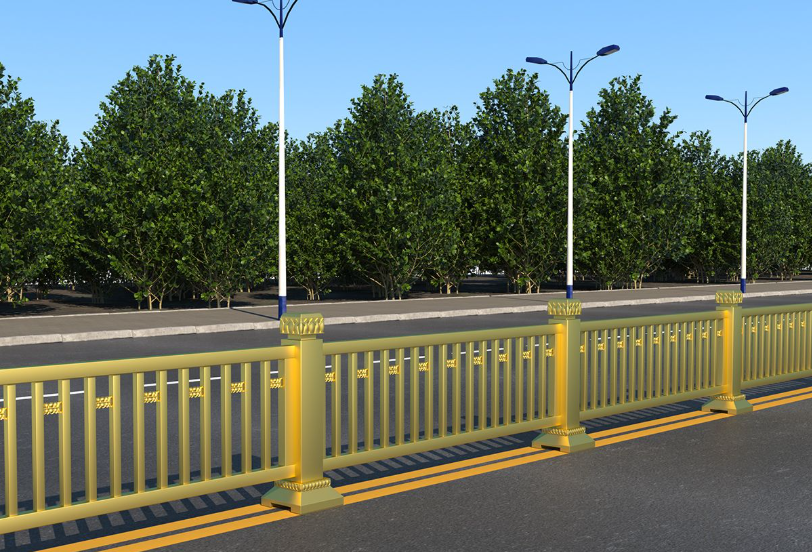
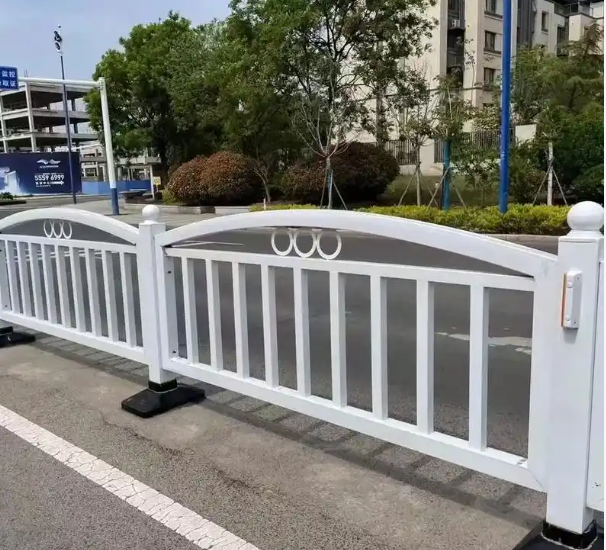





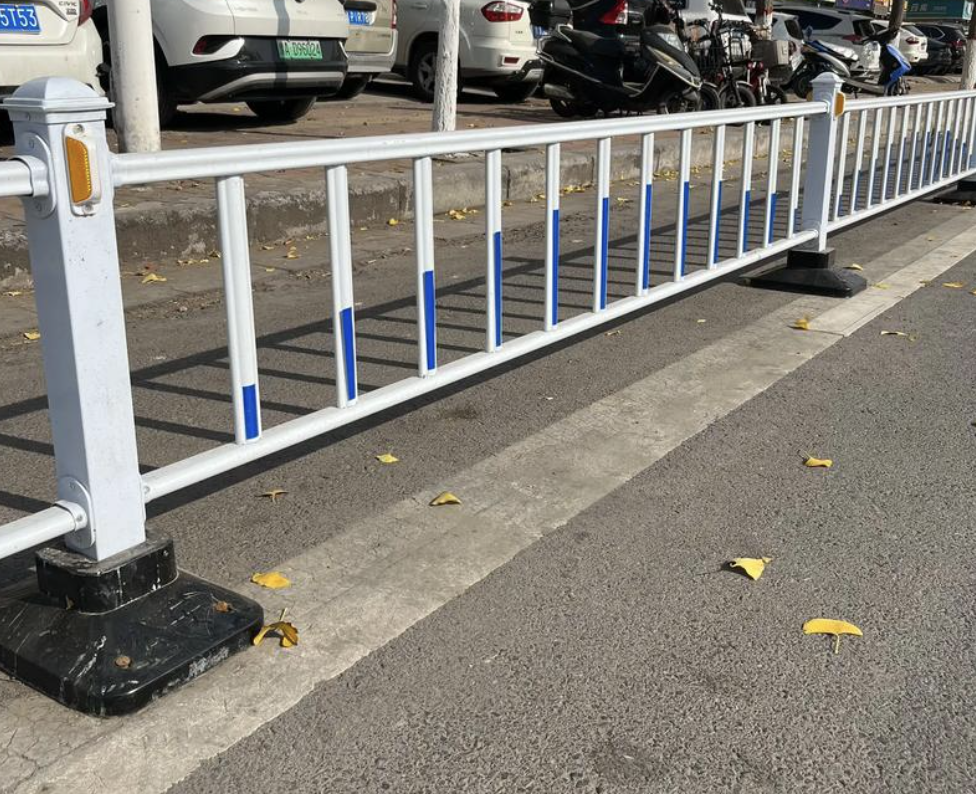
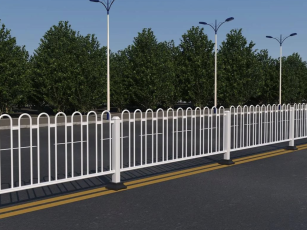
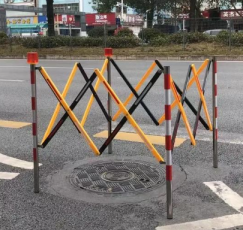
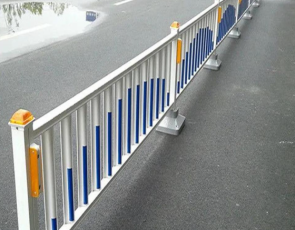
This traffic barrier stands out with its high-strength zinc-steel core, which delivers superior impact resistance to withstand minor vehicle collisions without permanent deformation, making it easy to repair and reducing replacement costs. The electrostatic powder coating surface treatment provides a smooth, scratch-resistant finish that resists fading and rust, eliminating the need for regular repainting. Integrated high-visibility reflective strips ensure 24/7 visibility, even in low-light or nighttime conditions, alerting drivers to lane boundaries and reducing nighttime accident risks. Unlike traditional concrete barriers, its modular design allows for quick installation and customization to fit complex urban road layouts, such as intersections, school zones, and pedestrian crossings. It also addresses the common pain point of urban road clutter by maintaining a sleek, uniform appearance that aligns with modern urban landscape design.
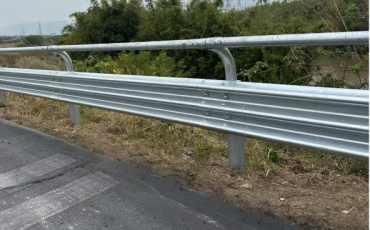
The urban municipal zinc-steel traffic barrier features an overall height of 1200mm, with a horizontal beam constructed from 80*40*2.5mm zinc-steel profiles to ensure structural rigidity. The supporting posts are 114*4.5mm galvanized steel tubes, spaced 3000mm apart to evenly distribute impact forces. The surface electrostatic powder coating has a thickness of 60-80μm, meeting national environmental protection standards for low VOC emissions. The embedded reflective strips are 50mm wide, made of high-intensity PVC material with a reflection coefficient of ≥300cd/lx·m², ensuring optimal visibility. Each unit weighs approximately 22kg, making it easy to transport and install without heavy machinery. The buried installation depth for posts is 400mm, with optional flange connections for asphalt or concrete pavement. All components comply with GB/T 31439.1-2015 national standards for traffic safety facilities.
This traffic barrier is ideally suited for a wide range of urban road scenarios, including primary and secondary urban roads, where it separates motorized and non-motorized traffic lanes to reduce conflicts. It is also highly effective in school zones and pedestrian-heavy areas, such as commercial districts and residential communities, to protect pedestrians from accidental vehicle incursions. Additionally, it can be installed at urban intersections to guide traffic flow and prevent illegal U-turns or lane changes. Municipal maintenance departments, urban planning agencies, and property management companies often utilize this barrier for long-term traffic management projects. It is also suitable for temporary installations during urban infrastructure upgrades, such as subway construction or road expansion, to maintain traffic order during construction phases.








 Post RFQ


 Chat
Chat


 ALL CATEGORIES