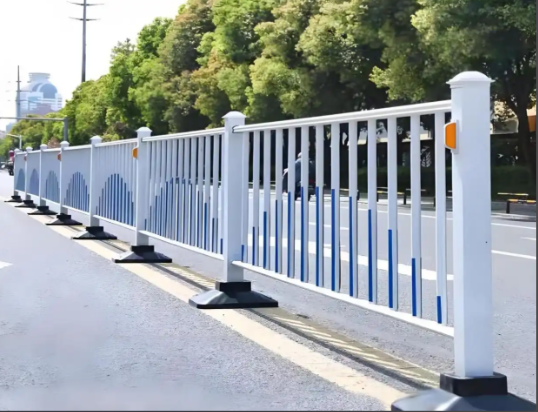
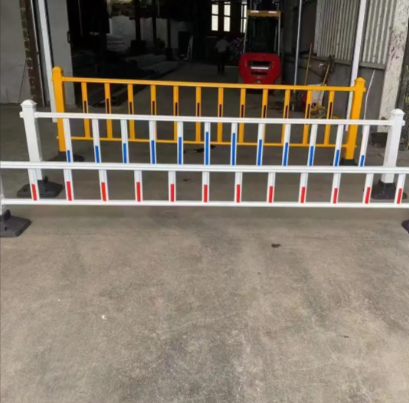





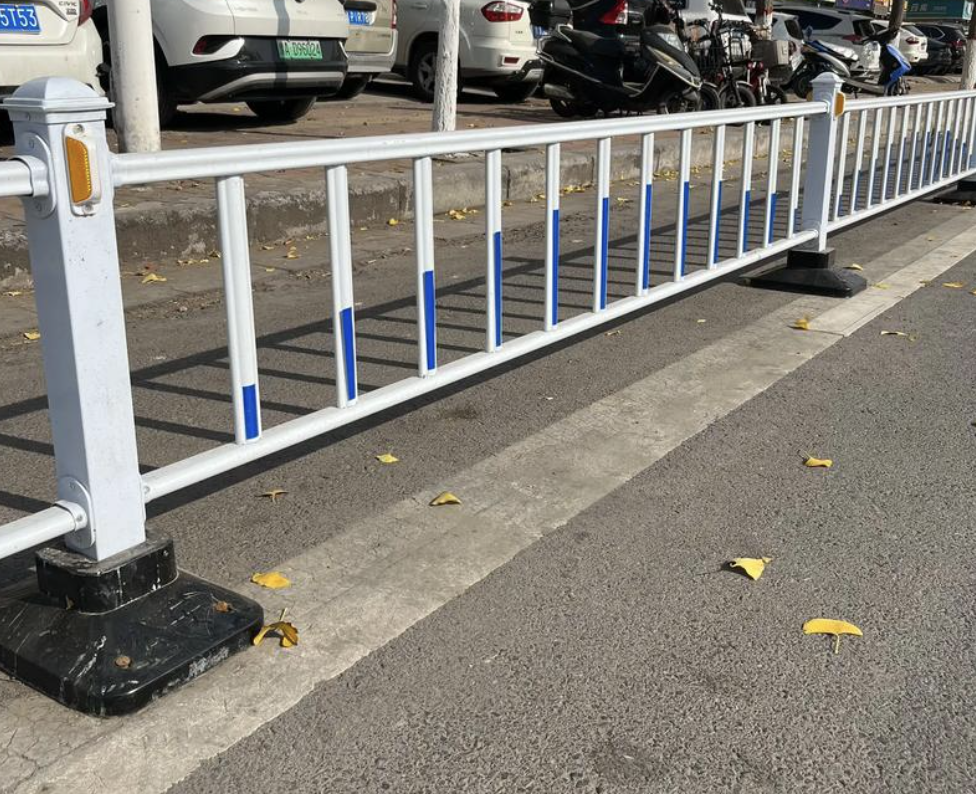
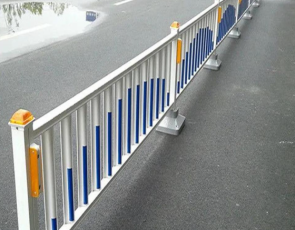
This barrier’s key differentiator is its integrated 3M Diamond Grade reflective strips, which offer 2x higher visibility than standard reflective tapes, ensuring drivers can spot the barrier from 500 meters away at night. Its C-shaped beam structure provides optimal impact resistance for urban traffic speeds (up to 60km/h), absorbing energy from minor collisions to protect both vehicles and the barrier itself. The PVC protective coating resists scratches, graffiti, and urban pollutants, maintaining its aesthetic appeal for years. The pre-cast concrete base installation eliminates the need for deep excavation, reducing on-site construction time by 50% compared to buried post systems. Modular interlocking joints allow seamless alignment with curved road sections, while customizable color options enable alignment with local urban design guidelines. Additionally, the barrier is lightweight enough for manual installation, reducing reliance on heavy machinery in dense urban areas.
The C-shaped beam measures 250mm in height, 100mm in width, and 3.0mm in thickness, with a weight of 28kg per meter. The 3M Diamond Grade reflective strip is 100mm wide, applied to the top and sides of the beam for 360-degree visibility. The pre-cast concrete base measures 600mm×600mm×300mm, with embedded anchor bolts for secure attachment to the barrier posts. The galvanized steel core has a minimum thickness of 60μm, meeting ASTM A123 standards for corrosion resistance. The PVC coating is 20mm thick, with a UV-stabilized formula to prevent fading. The barrier’s crash rating is NCHRP 350 TL-1, capable of withstanding impacts from 1,000kg vehicles traveling at 60km/h. Modular sections are 2 meters long, with interlocking joints that allow for 5-degree angle adjustments to fit curved roads. The reflective tape has a 7-year service life, and the barrier requires minimal maintenance beyond annual cleaning and tape replacement every 7 years.
This median barrier is widely used in urban and suburban road networks, including city streets, residential area thoroughfares, commercial district access roads, and campus internal roads. It is particularly suitable for roads with high pedestrian traffic, as it prevents vehicles from crossing into pedestrian zones. In busy urban areas, it serves as a traffic separator to reduce lane-changing conflicts and improve traffic flow. It can also be installed in school zones and hospital access routes to enhance safety for vulnerable road users. Target users include municipal transportation departments, urban planning authorities, and local construction contractors. Typical use cases include installing along downtown city streets to separate opposing traffic, deploying in residential areas to prevent speeding vehicles from entering pedestrian pathways, and setting up in school zones to create a safe buffer between cars and sidewalks. Its modular design also makes it ideal for temporary traffic management during road construction projects.








 Post RFQ


 Chat
Chat


 ALL CATEGORIES