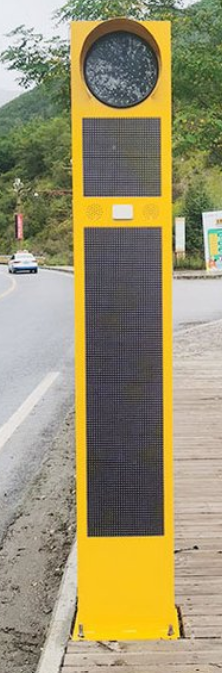
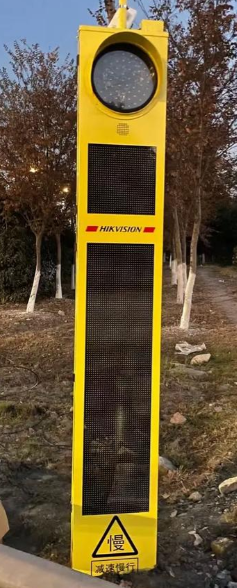





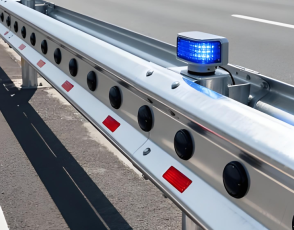

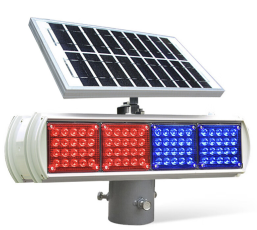
The product has three key competitive advantages. First, intelligent induction warning: equipped with a high-sensitivity microwave sensor, it can detect approaching vehicles within a 30-50 meter range, with a detection accuracy of over 98%, and automatically turn on the high-brightness LED lights. When the vehicle passes, it switches to energy-saving mode, extending battery life. Second, super waterproof and dustproof performance: with an IP68 protection grade, it can be immersed in 2-meter deep water for 24 hours without affecting normal operation, suitable for use in rainy areas and fog-prone sections. Third, long service life: using high-efficiency monocrystalline silicon solar panels and low-power LED lamp beads, the built-in lithium battery has a cycle life of over 1200 times, ensuring a service life of over 8 years. The shell is made of PC material with anti-UV treatment, preventing yellowing and cracking after long-term outdoor use.
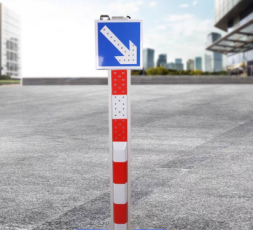
The delineator has a height of 150mm, a width of 80mm, and a thickness of 30mm, with a net weight of 250g. The built-in microwave sensor has a detection angle of 120°, and the response time is less than 0.2 seconds. The LED lamp bead brightness is 8000mcd, with a color temperature of 6000K, and the visual angle reaches 180°, ensuring that drivers can clearly see the warning signal from any direction. The solar panel has a power of 2W, with a conversion efficiency of 21%, and the built-in 3.7V/4Ah lithium battery can maintain normal operation for 30 days in continuous rainy weather. It supports two installation methods: adhesive-mounted (using high-strength acrylic adhesive, applicable to guardrails and road walls) and column-mounted (using a 50mm diameter plastic column, height 500mm). The operating temperature range is -40℃ to 80℃, fully adapting to various extreme climate conditions.
This product is widely applicable to various complex road scenarios. In mountainous areas, it is installed on the edge of sharp curves to help drivers identify the road turning direction in advance, reducing the risk of vehicles falling off cliffs or colliding with mountain walls. In fog-prone highways, it is set up every 50 meters along the guardrail to form a continuous visible road contour line, guiding vehicles to drive in the correct lane and avoiding rear-end collisions. In urban night roads, it is used on unlit secondary roads and pedestrian bridges to enhance the visibility of road boundaries, improving the safety of non-motor vehicles and pedestrians. It can also be used in temporary construction sections, where it can be quickly installed to mark the temporary road boundary, ensuring the safety of construction personnel and passing vehicles. Target users include provincial highway bureaus, mountain road construction projects, and municipal traffic management departments.








 Post RFQ


 Chat
Chat


 ALL CATEGORIES