




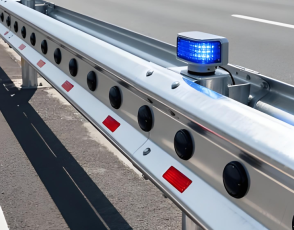

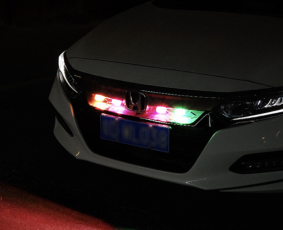
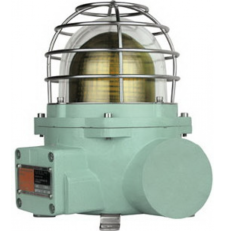
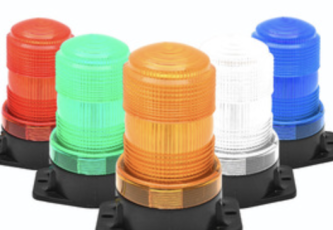
The Smart Adaptive Crash Barrier boasts three core competitive advantages. First, its Q355 low-carbon alloy steel material with nano ceramic coating achieves 3 times better corrosion resistance than ordinary galvanized guardrails, suitable for coastal or industrial polluted road environments. Second, the EN1317 SB-level crash resistance structure uses multi-stage energy absorption technology, which can effectively buffer the impact of 10-ton heavy vehicles at a speed of 80km/h, preventing vehicles from breaking through the guardrail or rolling over. Third, the integrated LED strobe warning system has a visibility of up to 2000m at night, and it automatically adjusts the flashing frequency according to ambient light intensity, solving the problem that traditional reflective guardrails rely on vehicle lights and are ineffective in low-visibility weather. Additionally, the modular quick-lock connection system cuts installation time by 50% compared to welded guardrails, reducing construction costs and road closure time.
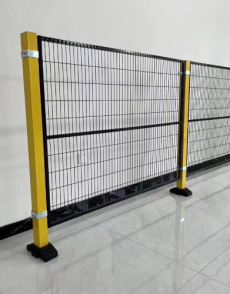
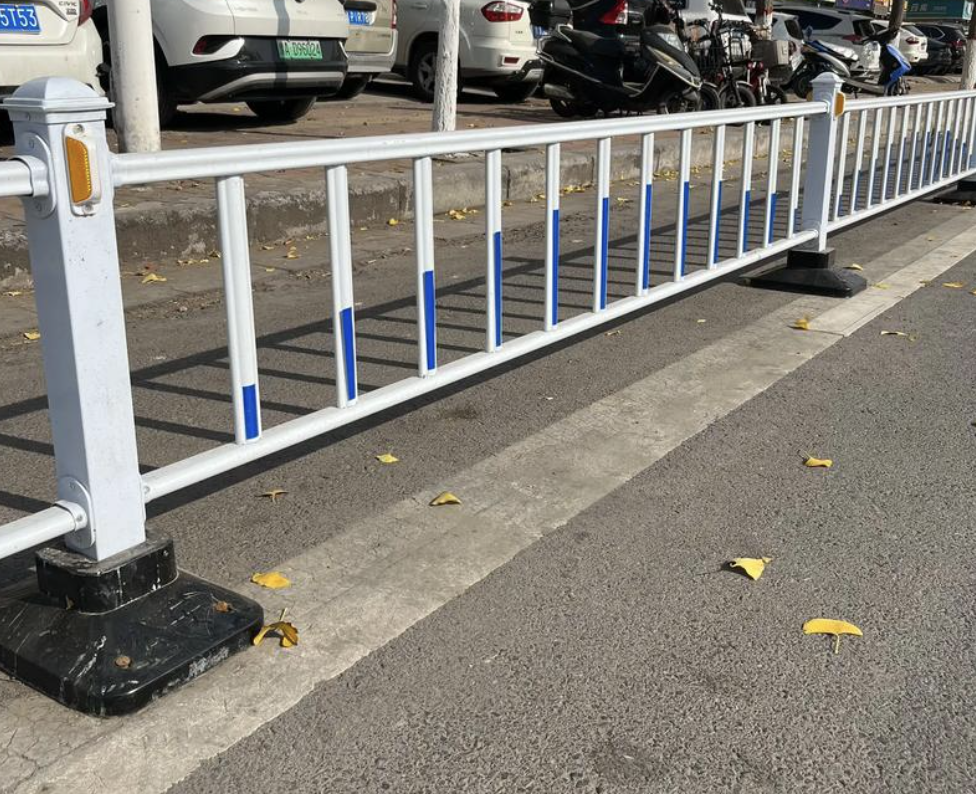
The overall structure of the barrier consists of a main crossbar, square columns, and energy-absorbing connectors. The main crossbar has an outer diameter of 140mm and a wall thickness of 6mm, with an effective protection height of 1200mm from the road surface. The spacing between square columns is 2000mm, each column is made of 150*150mm Q355 steel with a wall thickness of 8mm, and the buried depth of the foundation is 800mm. The integrated LED strobe lights have a power of 12W, use DC 24V power supply, and have a service life of 50,000 hours. Each 10-meter section of the barrier weighs about 850kg, and the wind resistance rating reaches level 12, which can withstand strong winds of up to 118km/h. The product has passed CE and ISO9001 quality system certification, and all parts can be replaced independently without affecting the overall structure.
This barrier is widely applicable to various high-risk road scenarios. In expressways, it is installed in curve sections, downhill long slopes, and tunnel entrances to prevent vehicle out-of-control accidents. In mountainous areas, it is used in cliff-side roads and narrow sections to protect vehicles from falling off cliffs. In urban rapid roads, it is applied in accident-prone sections and construction temporary protection zones to separate traffic flow and reduce secondary accidents. Target customers include national and provincial highway operation management companies, municipal public works bureaus, and road engineering construction contractors. It is also suitable for mining area access roads and port freight channels with heavy vehicle traffic, providing durable and reliable safety protection for special road environments.








 Post RFQ


 Chat
Chat


 ALL CATEGORIES