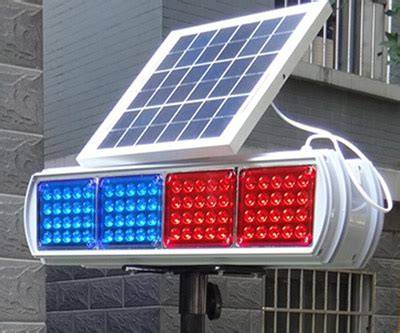
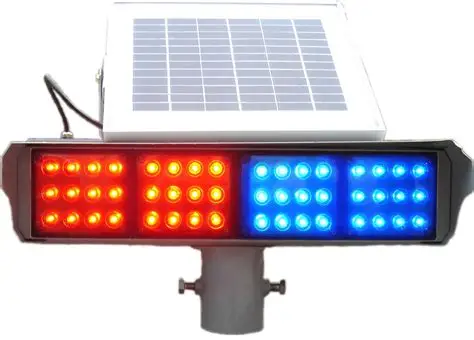





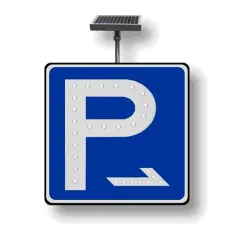
The product’s key advantage lies in its dual warning system: the micro-prism reflective film (EN 12899-1 Class RA4) provides exceptional passive visibility, while the integrated high-brightness LED lights offer active warning capabilities, ensuring drivers can spot the sign from over 1000 meters away even in heavy fog or rain. The radar speed linkage function solves the pain point of static signs being ignored by speeding drivers, as it activates dynamic flashing alerts only when risky behavior is detected, reducing unnecessary driver distraction. Its IP68 protection grade allows it to withstand immersion in up to 1 meter of water for 30 minutes, making it suitable for areas with heavy rainfall or flooding. The monocrystalline solar panel has a conversion efficiency of 22%, ensuring sufficient energy storage even in low-light winter conditions, while the lithium battery has a 10-year cycle life, minimizing maintenance needs.
Measuring 1500mm in width and 1000mm in height, the sign weighs 35kg, with a galvanized steel mounting bracket that can be adjusted to a height of 3-5 meters. The micro-prism reflective film has a minimum retroreflection coefficient of 500cd·lx⁻¹·m⁻² for white and 350cd·lx⁻¹·m⁻² for yellow, exceeding highway safety standards. The 30W monocrystalline solar panel charges a 12V/30Ah lithium iron phosphate battery, which can power the LED lights for up to 72 hours without sunlight. The radar speed sensor has a detection range of 0-120km/h and an accuracy of ±2km/h, triggering LED flashing when speeds exceed the preset limit. The LED lights have a brightness of 8000cd/m² and a lifespan of 50,000 hours. All components comply with ASTM D4956 standards for highway traffic signs.
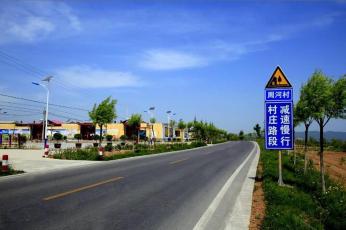
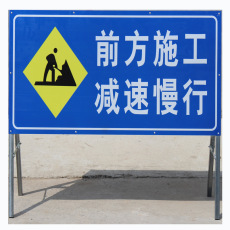
This sign is primarily designed for high-risk highway sections, including long downhill slopes, sharp curves, tunnel entrances, and construction zones. In mountainous highways, it provides continuous warning to drivers approaching steep descents, helping them maintain safe speeds and avoid brake failure. In road construction areas, it can display dynamic messages such as "Reduce Speed to 60km/h" and flash when vehicles approach too fast, protecting construction workers and motorists. It is also suitable for remote highway locations where wired power supply is unavailable, as its self-sufficient solar system ensures uninterrupted operation. Highway management departments can use it to comply with DOT safety regulations, while transportation engineering companies can integrate it into highway upgrade projects to enhance safety ratings. Additionally, it can be used in suburban expressways and toll road entrances to improve traffic flow and reduce accident rates.












 Post RFQ


 Chat
Chat


 ALL CATEGORIES