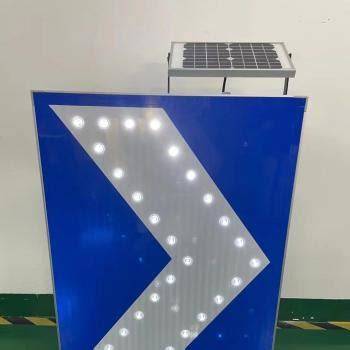
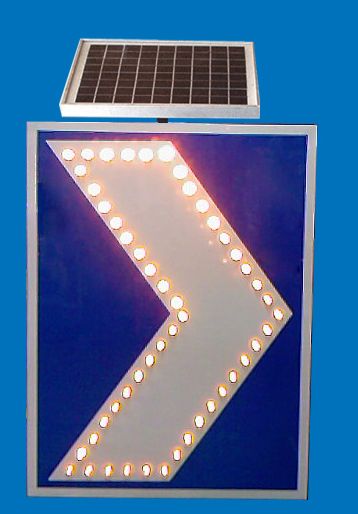





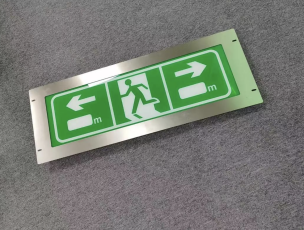
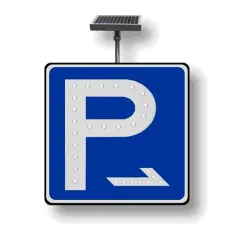
This intelligent traffic sign boasts three core unique advantages that set it apart from traditional models. First, its integrated solar power system with a high-efficiency monocrystalline solar panel and long-lasting lithium battery enables self-sustaining operation, eliminating reliance on grid power and avoiding the high costs of underground wiring. Second, it is equipped with an intelligent light control sensor that automatically activates LED illumination when ambient light drops below 50lux, ensuring optimal visibility in all weather conditions, including heavy rain, fog, and nighttime. Third, the diamond-grade reflective film offers 30% higher reflectivity than super-grade films, and the 2.5mm thick aluminum alloy frame provides excellent wind resistance (up to 12 levels) and corrosion resistance, effectively solving the problems of traditional signs being easily damaged by strong winds and having poor nighttime visibility. Additionally, the sign supports remote monitoring of battery power and working status, facilitating centralized management by traffic management departments.
The sign features a 1200*1200mm square design, with a 2.5mm thick high-strength aluminum alloy frame that meets national standard anti-corrosion requirements. The front panel is made of 3mm thick PC endurance board, which has high impact resistance and UV resistance, ensuring no yellowing for 10 years. The diamond-grade reflective film has a reflectivity of 800cd·lx⁻¹·m⁻², meeting ASTM D4956 standards. The solar panel has a conversion efficiency of 22%, charging the 12V/10Ah lithium battery fully in 6 hours of sunlight, supporting continuous LED illumination for 72 hours in rainy days. The working temperature range is -40°C to 60°C, adapting to extreme cold and hot environments. The installation hole distance is 300*300mm, matching standard traffic sign columns. The LED module uses low-power SMD 2835 beads, with a total power of 8W, ensuring uniform illumination and no glare.
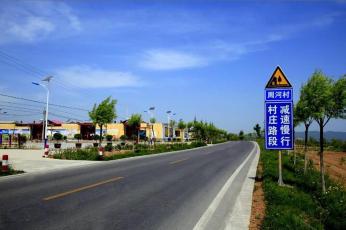
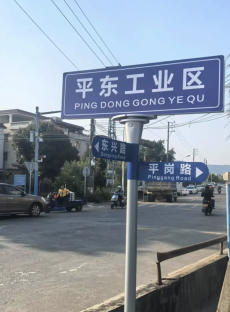
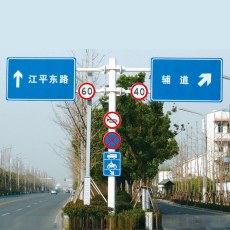
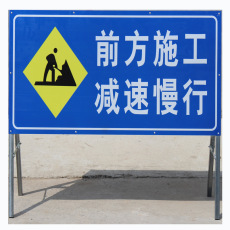
This product is widely applicable to various urban traffic scenarios, including busy crossroads with high traffic volume, school zones where student safety is a top priority, commercial center entrances with concentrated pedestrian flow, and suburban road sections with insufficient lighting. It is also suitable for new smart city construction projects, where it can be integrated with intelligent traffic management systems to achieve real-time data transmission and remote control. Municipal traffic departments can deploy it to reduce traffic accident rates at key intersections; school districts can use it to remind drivers to slow down and yield to students; and commercial real estate developers can install it to improve traffic order around commercial complexes. In addition, it can be used in temporary traffic control scenarios such as large-scale event venues, providing reliable visibility guidance for drivers and pedestrians.










 Post RFQ


 Chat
Chat


 ALL CATEGORIES