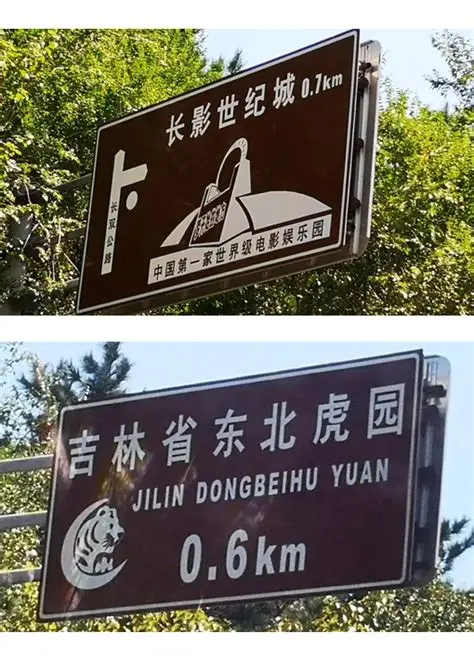








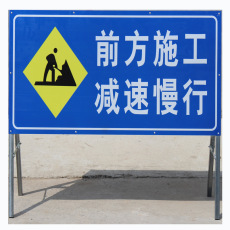
The sign’s is made from post-consumer plastic waste, reducing carbon emissions by 70% compared to traditional aluminum signs. It making it ideal for wooded or moist park environments where wooden signs degrade quickly. The Class II reflective sheeting provides bright, consistent visibility from up to 600 feet away at night, ensuring safety for visitors traveling in remote park areas. It is compatible with both ground stakes and post mounting, allowing flexible installation in diverse terrain. The natural brown color scheme blends seamlessly with forest and meadow landscapes, preserving the aesthetic integrity of scenic areas. It solves the common problem of unsustainable, environment-harming signage in parks, providing a durable, eco-friendly alternative that meets strict NPS guidelines.
The sign measures 800mm in width and 600mm in height, with a 10mm thick recycled plastic composite substrate weighing 18lbs (8.2kg). Its Class II reflective sheeting has a minimum reflective coefficient of 250 cd/lx/m², meeting NPS visibility requirements. It features two pre-drilled 12mm holes for post mounting and four stake holes for ground installation, compatible with 2-inch wooden posts or 36-inch steel stakes. The sign operates in temperatures ranging from -40°F to 140°F (-40°C to 60°C) and has an IP66 weather resistance rating, protecting against heavy rain, snow, and dust. The recycled plastic composite material is UV-stabilized to prevent color fading, ensuring a uniform appearance for 12 years of outdoor use. The color scheme is brown background with white text and symbols, adhering to NPS guidelines for scenic area signage.
This eco-friendly sign is perfect for national parks, where it is used for trailhead directional signs, campgroung signs, and wildlife warning signs. It is also suitable for state parks, scenic byways, and wildlife reserves, where preserving the natural environment is a top priority. Hiking and biking trails use it to provide distance markers and safety warnings, while campgrounds use it to direct visitors to facilities such as restrooms, picnic areas, and water sources. Its termite-proof material makes it ideal for wooded areas where traditional wooden signs are prone to decay. Park managers choose it to meet sustainability goals, reduce environmental impact, and comply with NPS guidelines. Its natural color scheme blends with surrounding landscapes, enhancing the visitor experience without disrupting the beauty of natural areas.












 Post RFQ


 Chat
Chat


 ALL CATEGORIES