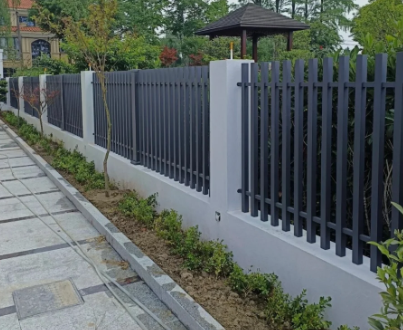
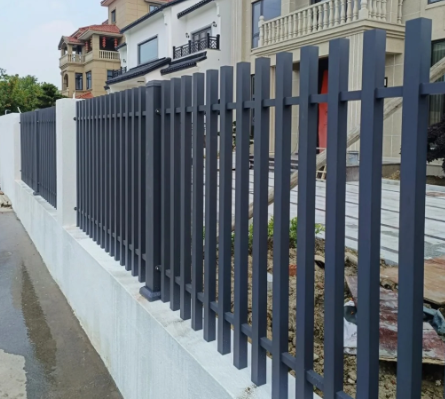





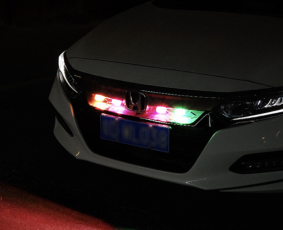
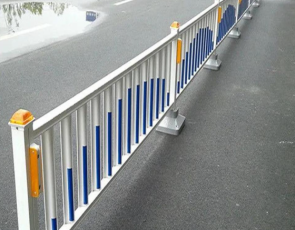
The core strength of this guardrail lies in its integration of safety and aesthetics. The 6063-T5 aluminum alloy material offers high strength-to-weight ratio, making it 50% lighter than steel barriers while maintaining equivalent impact resistance. The anodizing and powder coating dual surface treatment provides exceptional corrosion resistance, UV resistance, and scratch resistance, ensuring a 25+ year service life without fading or rust. Its open-frame design allows for 60% light transmittance, preserving the scenic view and avoiding the visual obstruction caused by solid barriers. The modular customizable design supports various decorative elements, such as carved patterns, LED lighting, and logo inlays, to match the surrounding landscape. It also addresses the pain point of traditional barriers that conflict with scenic design, providing a seamless integration of safety facilities and urban aesthetics.
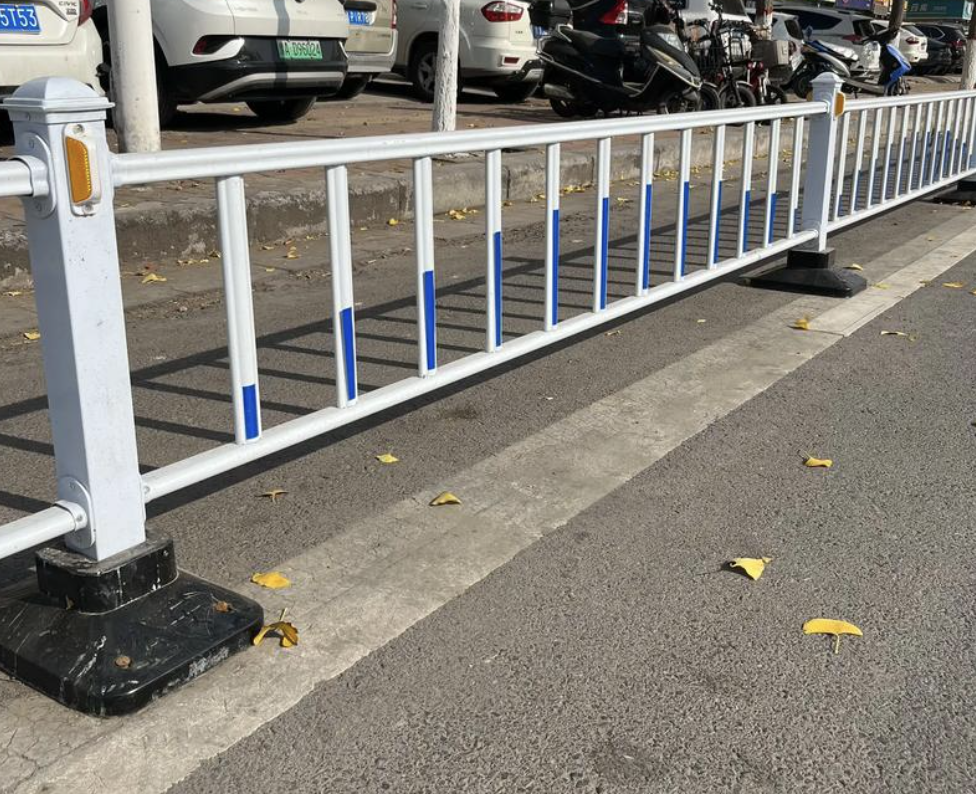
The landscape aluminum alloy traffic guardrail features an overall height of 1100mm, with horizontal beams made of 80*40*2.5mm 6063-T5 aluminum alloy profiles. The supporting posts are 100*100*3.0mm square aluminum tubes, installed with flange connections to concrete or asphalt pavement, eliminating the need for buried foundations. The anodizing layer has a thickness of 12μm, followed by a 50μm powder coating layer, meeting GB/T 5237.1-2017 standards for aluminum alloy building materials. Each set weighs approximately 18kg, with a maximum impact resistance of 80kN, sufficient to withstand minor vehicle collisions. The open-frame design has a light transmittance of 65%, ensuring unobstructed views of the surrounding landscape. Optional LED lighting strips can be embedded in the beams to provide nighttime illumination and enhance aesthetic appeal.
This guardrail is primarily used in scenic urban areas, including landscape avenues, urban parks, wetland parks, and historical cultural districts, to separate traffic lanes and pedestrian paths while preserving the scenic view. It is also ideal for high-end residential communities, commercial plazas, and hotel perimeter roads to enhance the overall aesthetic and safety of the property. Urban planning departments, scenic area management companies, and luxury property developers are the main users of this product, deploying it for landscape construction projects, urban renewal initiatives, and high-end residential community development. Additionally, it can be used in tourist attractions to guide visitor flow and protect cultural relics from accidental damage. It is also suitable for waterfront promenades to separate pedestrian areas from vehicle lanes and provide a safe viewing platform for visitors.








 Post RFQ


 Chat
Chat


 ALL CATEGORIES