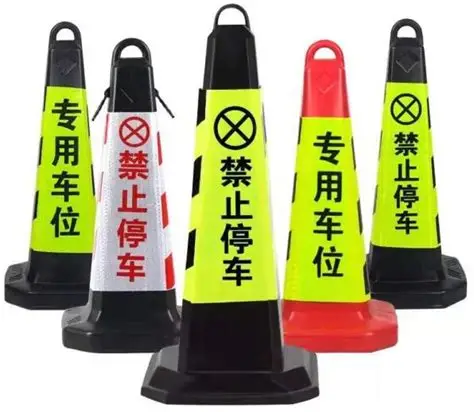
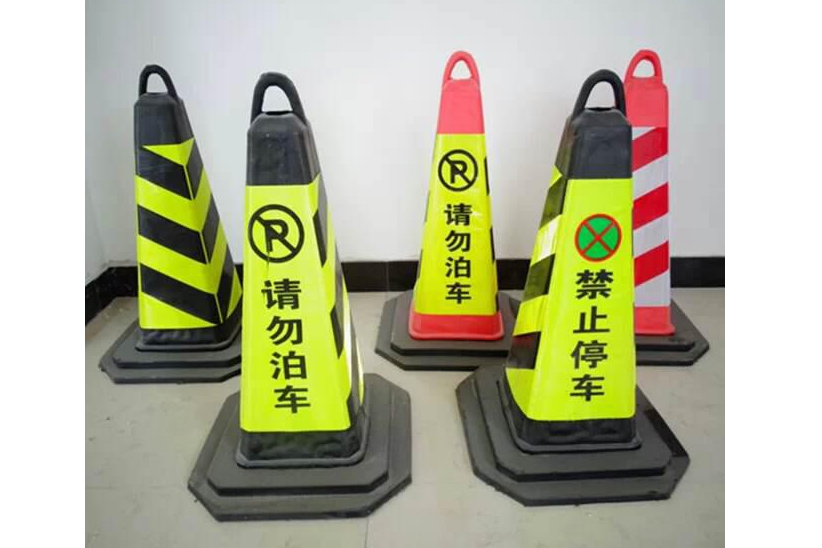





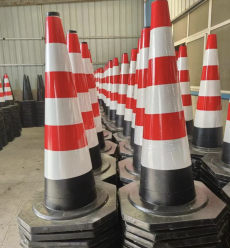
The cone body is made of special low-temperature resistant PVC material, which is added with anti-brittle additives, ensuring that the impact strength reaches 15kJ/m² at -50℃, and will not crack even if hit by heavy snow or vehicles. The engineering-grade reflective film is treated with low-temperature resistant adhesive, which will not fall off or crack in low-temperature environments, maintaining stable reflective performance. The weighted base design enhances stability, which can resist snow accumulation and strong cold winds, avoiding being buried or blown down by snow. The surface is treated with anti-ice and anti-snow coating, which reduces snow accumulation and makes it easy to clean, ensuring clear warning effect in snowy weather.
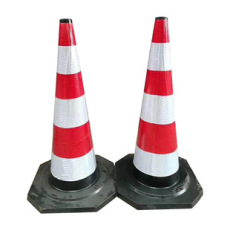
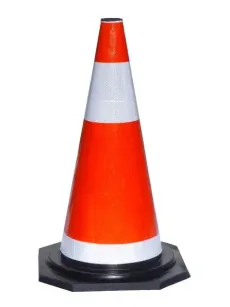
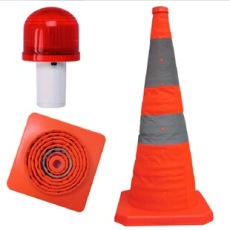
The total height of the cone is 700mm, with a base diameter of 350mm, and the cone body wall thickness is 3.5mm, ensuring sufficient structural strength in low-temperature environments. The minimum resistant temperature reaches -50℃, which is suitable for the coldest regions in northern countries. The impact strength is 15kJ/m², passing the low-temperature impact resistance test of GOST R 51654 standard. The product is equipped with two 150mm-wide engineering-grade reflective strips, which can be clearly identified from a distance of 400 meters in snow and ice weather. The total weight is 4.8kg, including a 3.5kg weighted base, providing strong ground grip. The service life is more than 6 years, which is 2 years longer than ordinary cones in cold regions.
This low-temperature resistant traffic cone is widely used in winter road maintenance in cold regions, such as highway snow removal operations, marking the snow removal area and guiding vehicles to pass safely. It is also suitable for construction sites in cold regions, such as oil field operations, mining sites, and railway construction, marking the safe passage and construction boundary to prevent accidents. In urban areas with heavy snowfall, it is used to mark snow-cleared paths, pedestrian crossings, and emergency accesses, ensuring the safety of residents' travel. Additionally, it can be used in ski resorts and ice sports venues, marking the competition route and dangerous sections, providing reliable warning for athletes and spectators.









 Post RFQ


 Chat
Chat


 ALL CATEGORIES