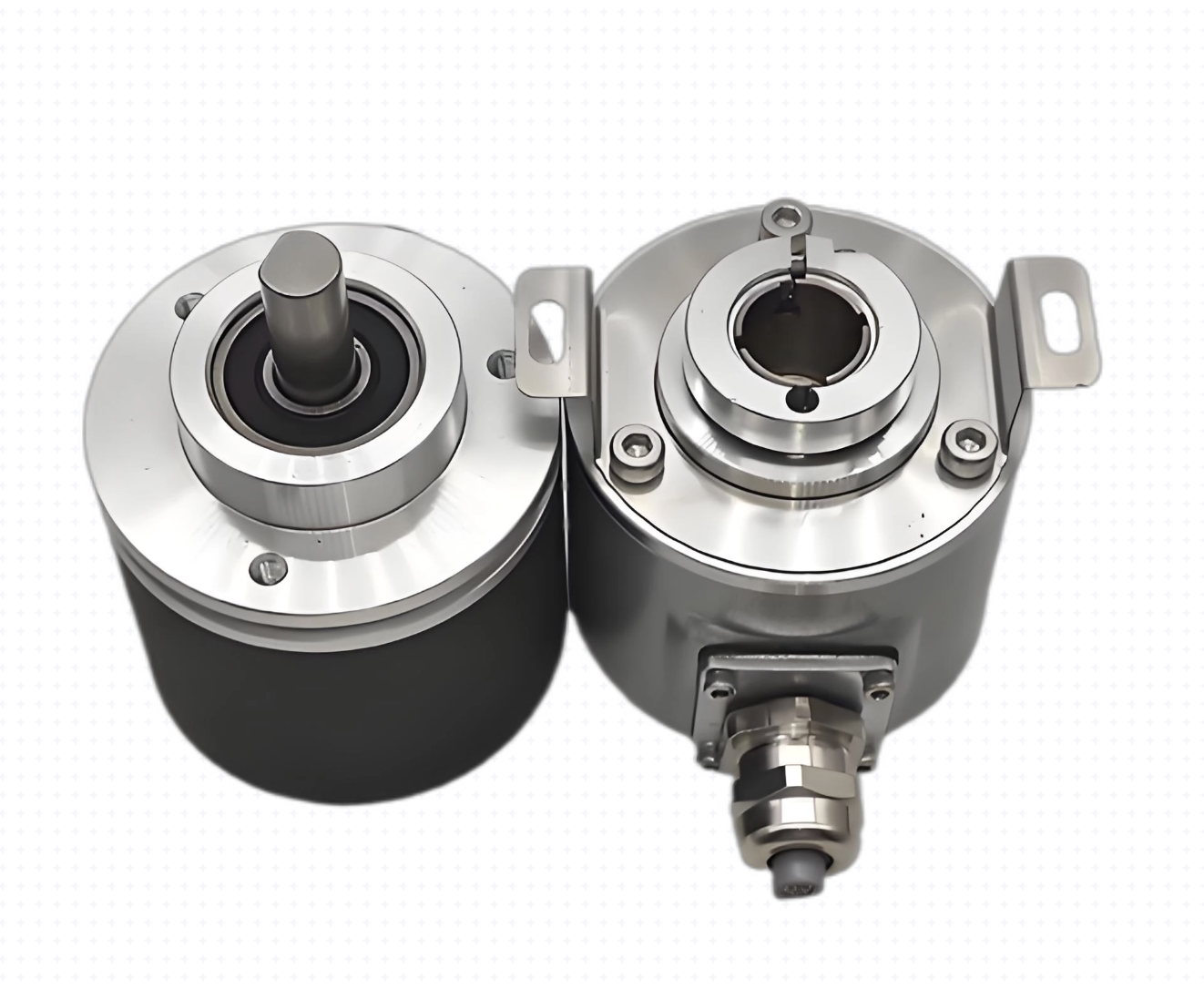
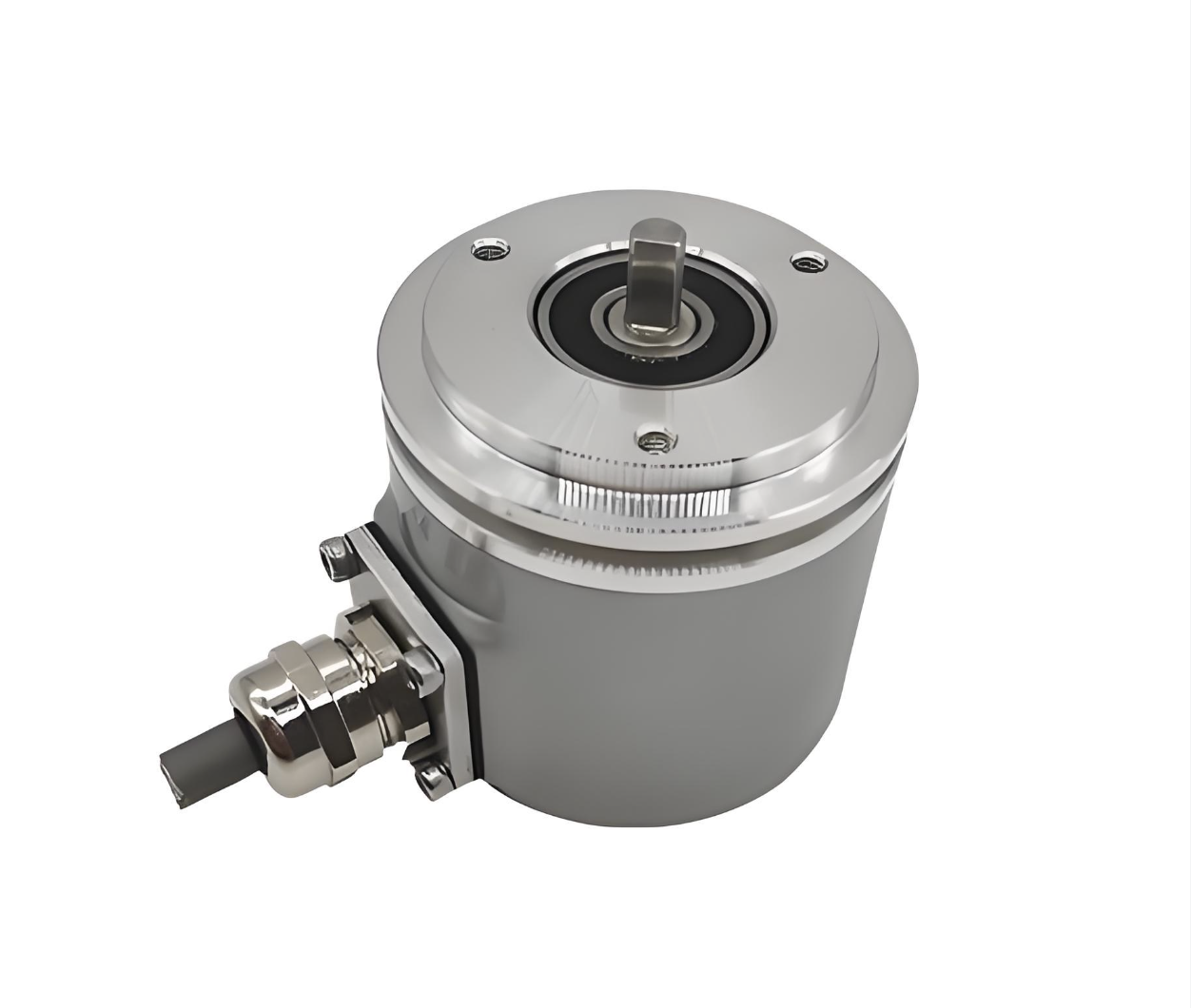





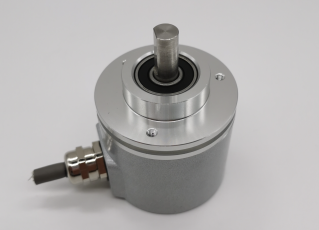
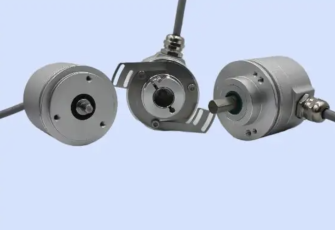
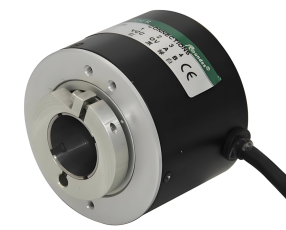
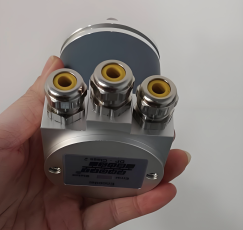
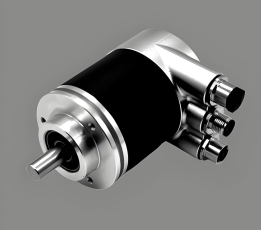
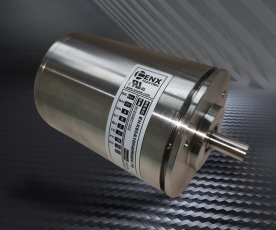
This encoder stands out with its robust anodized cast aluminum housing, which offers 1000g impact resistance and 20g vibration resistance to withstand the most demanding industrial operations. The battery-free multi-turn design uses a precision mechanical gear train to store rotation data, eliminating the risk of data loss from battery failure or power interruptions—a critical advantage for 24/7 continuous production environments. Its dual SSI and RS485 output interfaces enable compatibility with a wide range of PLCs and DCS systems, reducing integration complexity and costs. The wide operating temperature range ensures consistent performance in arctic cold and desert heat, while the IP67 protection class prevents dust ingress and water immersion up to 1m for 30 minutes. With ±0.05° accuracy and ≤1μs response time, it delivers real-time, high-precision position data to optimize machinery efficiency and safety.
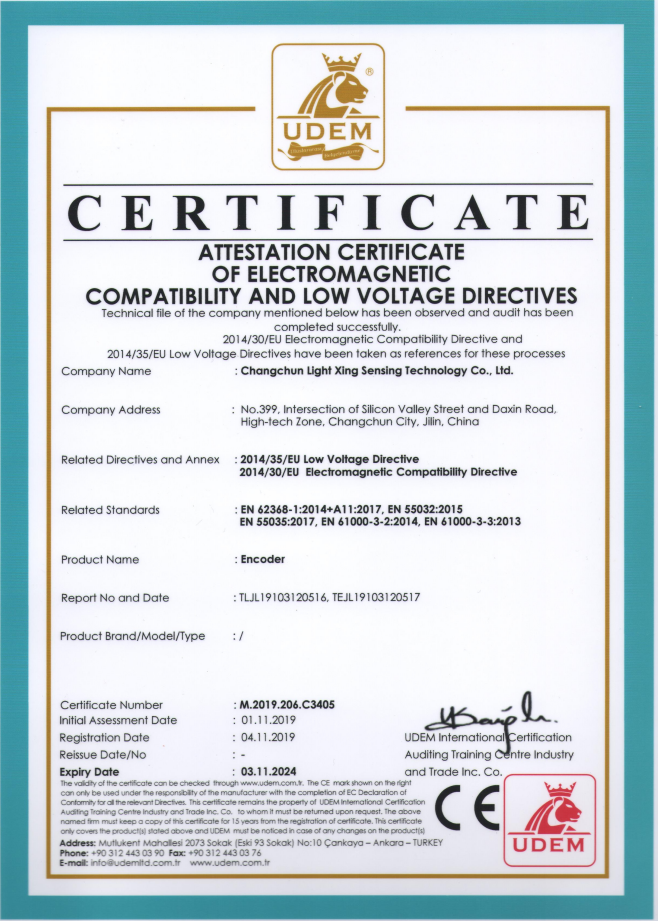
The encoder features a 100mm diameter housing and 35mm thickness, weighing 1.2kg for stable mounting on heavy machinery. The 15mm solid shaft is precision-ground to minimize radial play, ensuring smooth rotation and accurate signal output. It supports a maximum rotational speed of 6000 RPM, with a resolution of 24 bits (4096 multi-turn counts + 4096 single-turn counts) for ultra-fine position detection. The supply voltage range of 9-30V DC accommodates diverse industrial power systems, while the insulation resistance of ≥100MΩ ensures electrical safety in high-voltage environments. Compliance with CE and RoHS standards guarantees adherence to global industrial regulations. Cable lengths are customizable from 3m to 10m, with shielded cables to reduce electromagnetic interference. The encoder’s mechanical gear train has a service life of over 1 million turns, ensuring long-term reliability without replacement.
This heavy-duty encoder is ideal for a wide range of extreme industrial applications. In mining operations, it provides precise position feedback for conveyor belt systems and excavator arm positioning, enabling efficient material handling and reducing equipment downtime. In port logistics, it is used to control crane boom angles and container spreader positions, ensuring safe and accurate container loading/unloading. For heavy construction equipment, it tracks the position of bulldozer blades and crane outriggers, improving operational precision and worker safety. It also suits metallurgical plants, where it monitors the position of rolling mill rollers and furnace damper controls to maintain consistent production quality. Additionally, it is widely deployed in offshore wind farms to adjust turbine blade angles, withstanding salt spray and high wind loads while delivering reliable data for optimal energy production.










 Post RFQ


 Chat
Chat


 ALL CATEGORIES