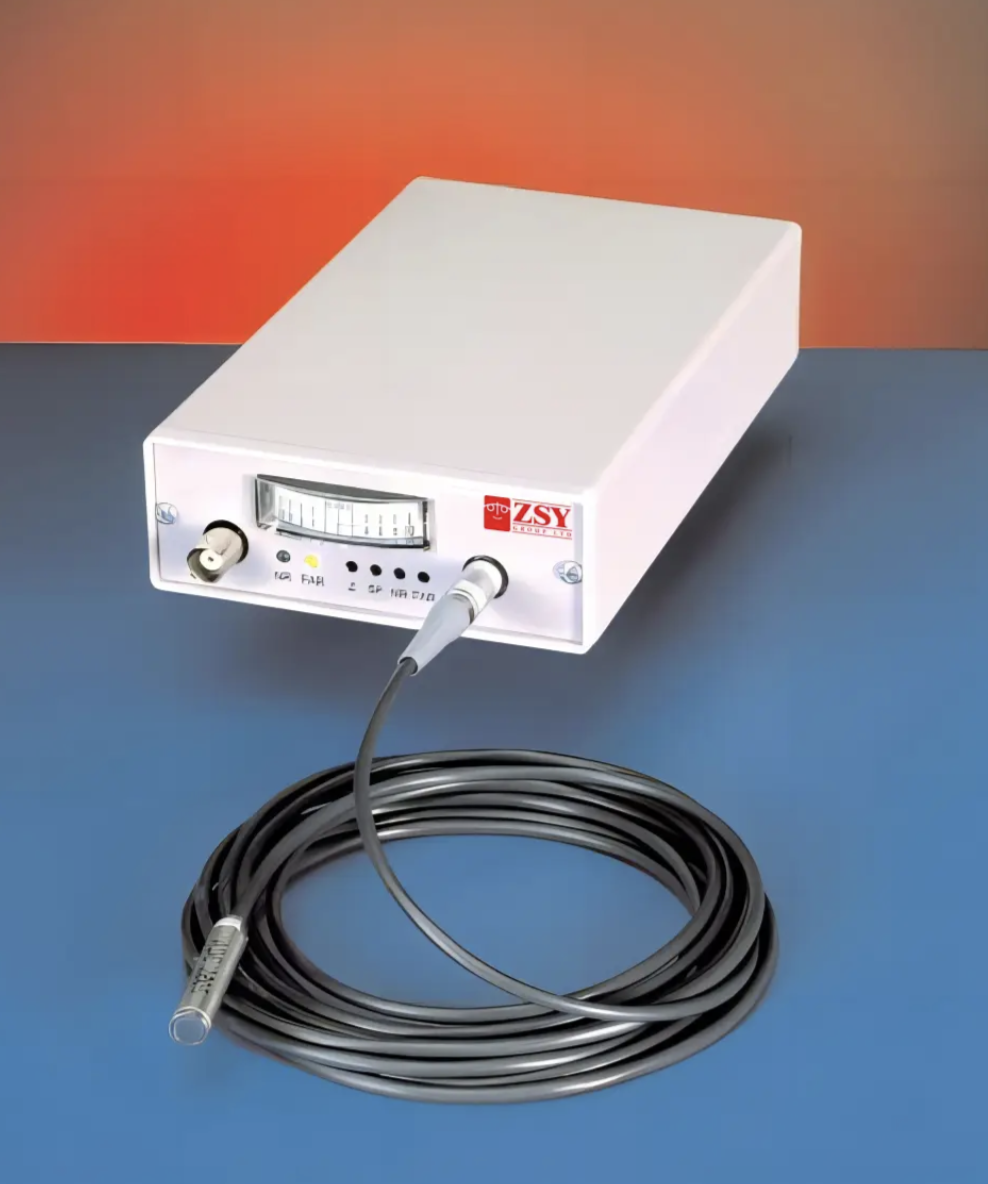
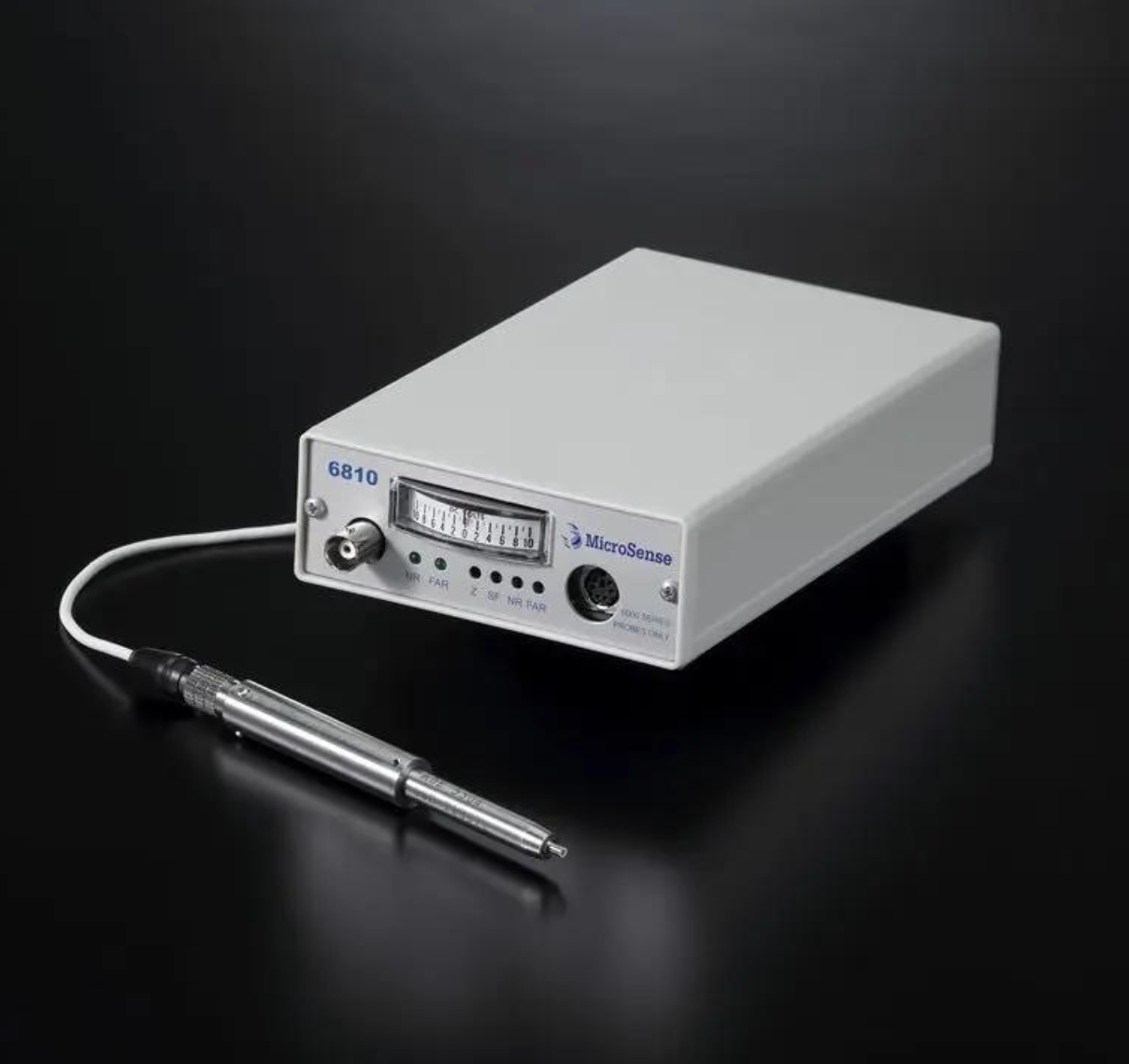





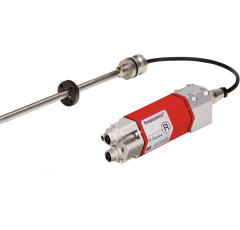
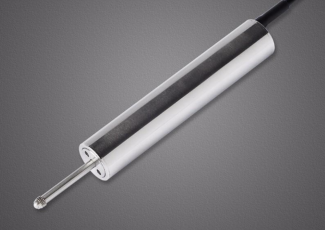
The core advantage of this sensor is its 0.1nm nanometer-level resolution and ±0.002mm accuracy, enabling detection of extremely small displacement changes in semiconductor and precision optics applications. Its non-contact measurement principle eliminates workpiece damage and measurement interference, which is critical for high-value components like wafers and optical lenses. Built-in anti-electromagnetic interference (EMI) shielding reduces signal noise in industrial environments, ensuring stable data output. With a 1MHz response frequency, it captures fast micro-displacement changes in real time, suitable for dynamic testing scenarios. The 304 stainless steel housing and IP64 protection class resist dust and splashing water, and the 5V DC low-voltage power supply ensures safe operation in clean rooms. It supports both 0-5V analog and RS232 digital outputs, providing flexible data transmission options for different testing systems.
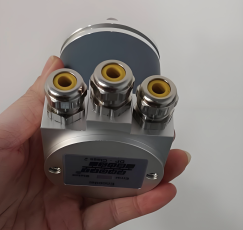
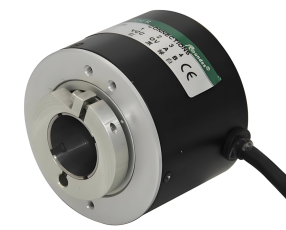
This micro-resolution capacitive displacement sensor offers a measurement range of 0-10mm, with optional ranges of 0-1mm and 0-5mm for ultra-small displacement testing. It achieves an accuracy of ±0.002mm and a resolution of 0.1nm, meeting the strict requirements of nanometer-level measurement. The response frequency reaches 1MHz, enabling real-time capture of fast micro-displacement changes. Powered by 5V DC, it operates within a temperature range of 0°C to +50°C, suitable for clean room environments. The sensor uses parallel plate capacitive sensing technology, with output signals including 0-5V analog and RS232 digital for high-precision data acquisition. Its housing is made of 304 stainless steel, with an IP64 protection class to resist dust and light splashing. The overall dimensions are 50×30×20mm, and it weighs 0.3kg, making it easy to integrate into compact precision equipment.
This capacitive displacement sensor is widely used in high-tech and scientific research fields. In semiconductor manufacturing, it positions wafers during lithography processes and detects the flatness of chip surfaces to ensure production precision. In precision optics, it adjusts the focal length of high-end lenses and measures the deformation of optical components. In laboratory scientific research, it supports micro-material mechanical property testing, MEMS device performance characterization, and atomic force microscope auxiliary positioning. It is also applied in precision medical equipment, such as surgical robot arm micro-positioning and medical imaging device component calibration. All these scenarios require ultra-high-precision micro-displacement measurement, and this sensor provides stable, interference-free data to support technological innovation and product quality improvement.









 Post RFQ


 Chat
Chat


 ALL CATEGORIES