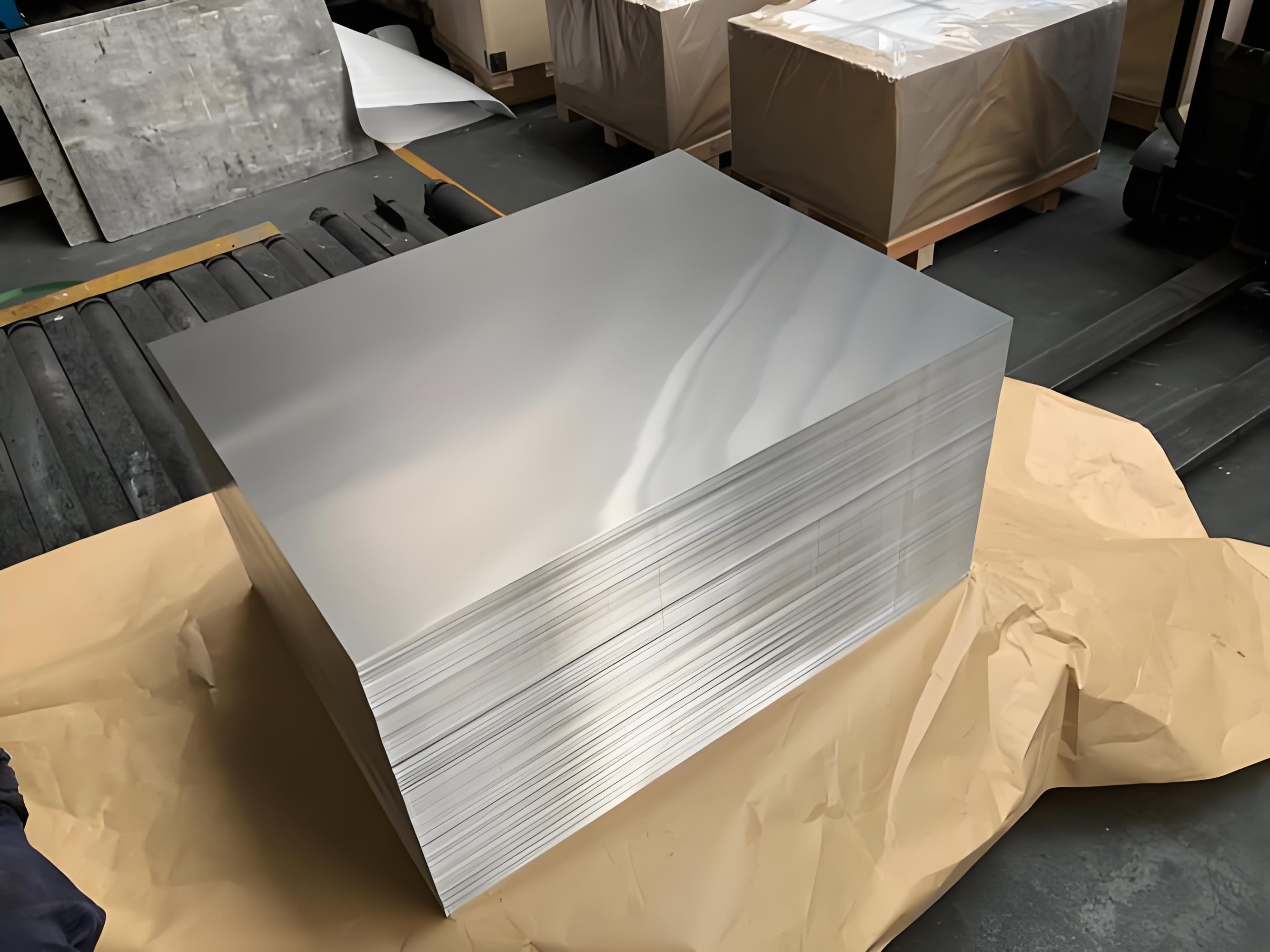









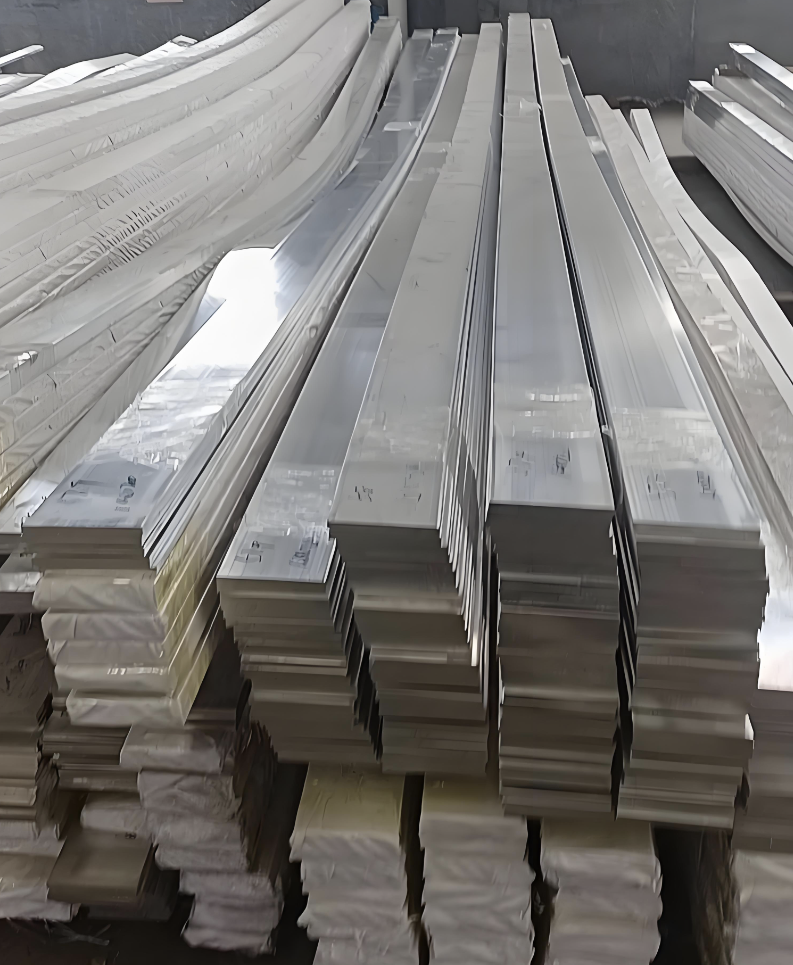
The core advantages of this new energy vehicle aluminum sheet are its excellent lightweight performance and automotive-grade quality. Compared with ordinary carbon steel, its density is only 1/3, which can effectively reduce the overall weight of the vehicle, improve the power-to-weight ratio and increase the cruising range of new energy vehicles. It has excellent formability, which can be processed into various complex vehicle body panels and structural parts, meeting the personalized design requirements of new energy vehicles. It has passed IATF 16949 certification, ensuring that it meets the strict quality and safety standards of the automotive industry. Its excellent salt spray corrosion resistance can withstand long-term use in outdoor harsh environments, improving the service life of the vehicle. It is recyclable, reducing environmental pollution and production costs.
This product has a thickness range of 1.0mm to 6.0mm, with a standard specification of 1500*3000mm, which can be customized according to user needs. The alloy grade is 6061-T6, with a tensile strength of 240MPa, yield strength of 205MPa and elongation of 12%, ensuring good mechanical properties and formability. The surface treatment can adopt mill finish or powder coated finish according to user needs, improving corrosion resistance and aesthetic effects. It has a density of 2.7 g/cm³, which is only 1/3 of the density of carbon steel, effectively realizing lightweight design. It has passed IATF 16949 automotive industry certification, ensuring that it meets the strict quality and safety standards of the automotive industry. The product is 100% recyclable, reducing environmental pollution and production costs.
This 6061-T6 new energy vehicle lightweight aluminum sheet is mainly applicable to the new energy vehicle manufacturing industry, including vehicle body panels, battery protection trays, frame structural parts, charging interface components and interior decoration parts. In the new energy vehicle body panel scenario, it can effectively reduce the overall weight of the vehicle, improve the cruising range and handling performance; in the battery protection tray scenario, it can provide excellent protection for the power battery, preventing damage from external impacts and corrosion. At the same time, its excellent formability can meet the personalized design requirements of different new energy vehicle models, improving the market competitiveness of the vehicle.








 Post RFQ


 Chat
Chat


 ALL CATEGORIES