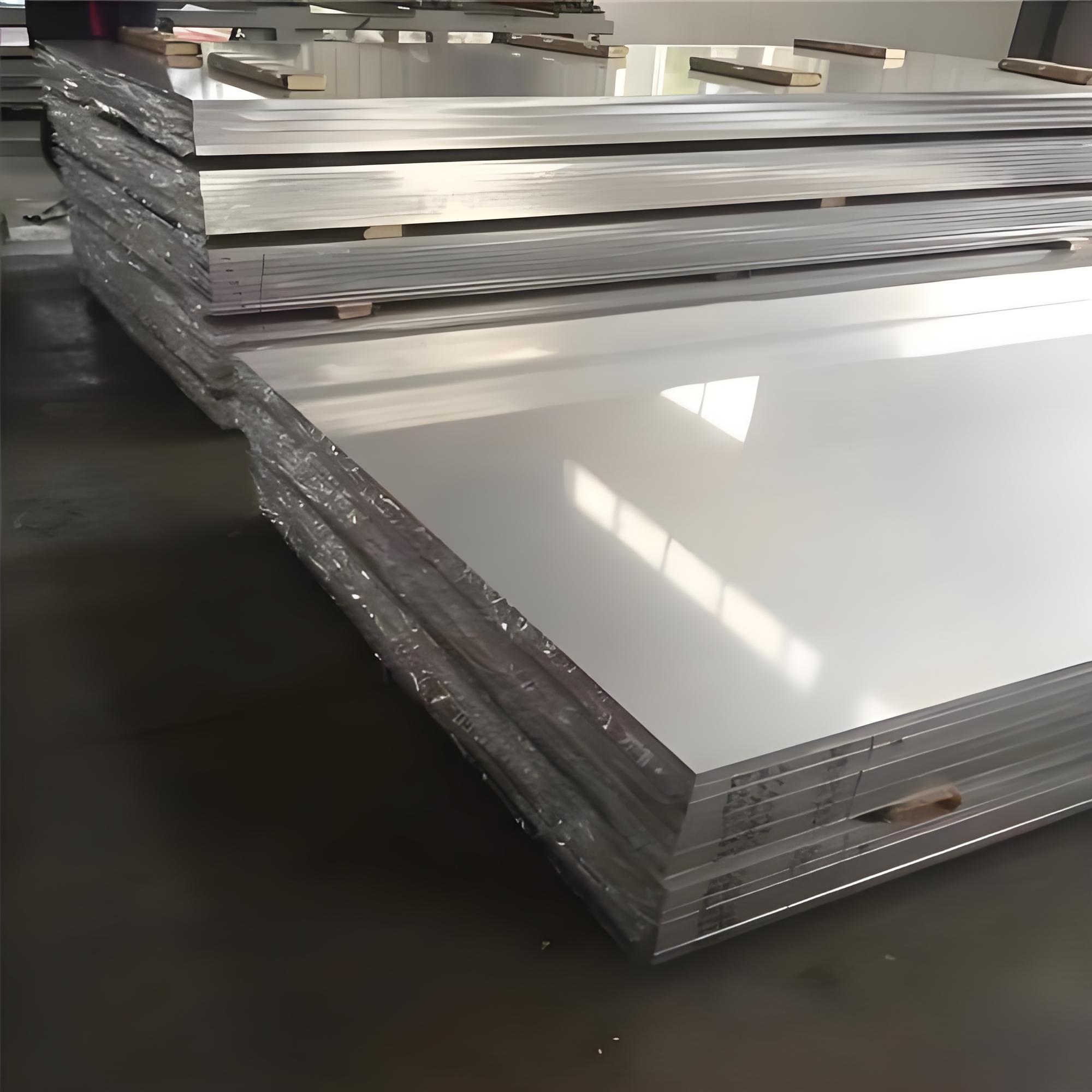






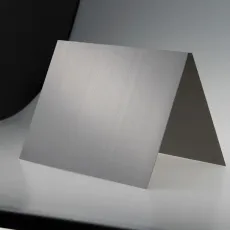
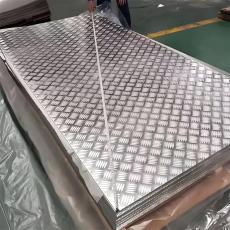
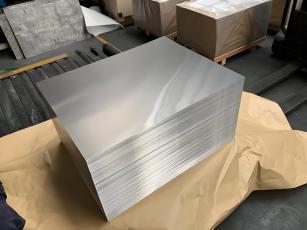


The core advantages of this 7075-T6 aerospace aluminum sheet lie in its industry-leading performance indicators. Compared with ordinary carbon steel, its specific strength is more than twice as high, effectively reducing the dead weight of equipment while ensuring structural strength. It has excellent fatigue resistance, able to withstand long-term cyclic loads without deformation or damage. The mill finish or peeled finish surface ensures high dimensional accuracy and smoothness, meeting the strict assembly requirements of aerospace projects. Additionally, it has excellent atmospheric corrosion resistance without the need for additional heavy coating treatments, reducing later maintenance costs. It complies with ASTM B209 certification, ensuring consistent quality and reliable performance in various harsh working environments.
This product has a thickness range of 0.5mm to 100mm, with customizable width specifications from 1000mm to 2200mm and length specifications from 2000mm to 12000mm to meet different processing and application needs. The alloy grade is 7075-T6, with a tensile strength of 510MPa, yield strength of 455MPa and elongation of 6%, meeting the strict performance requirements of aerospace structural materials. The surface treatment options include mill finish and peeled finish, which can be adjusted according to user needs. It has a density of 2.78g/cm³, which is only 1/3 of the density of carbon steel, effectively realizing lightweight design. It complies with ASTM B209 certification standards, ensuring that each batch of products has consistent performance and quality.
This 7075-T6 aerospace aluminum sheet is mainly applicable to aerospace and military equipment manufacturing, including aircraft fuselage structural parts, drone frames, satellite components and high-precision tooling fixtures. It is also suitable for high-end industrial fields such as racing car body parts and precision electronic equipment shells. In the aerospace field, it can effectively reduce the overall weight of the aircraft, improve fuel efficiency and load-bearing capacity; in the racing car field, it can enhance the vehicle's power-to-weight ratio and handling performance. At the same time, its 100% recyclable feature meets the development requirements of green manufacturing, reducing production costs and environmental pollution.







 Post RFQ


 Chat
Chat


 ALL CATEGORIES