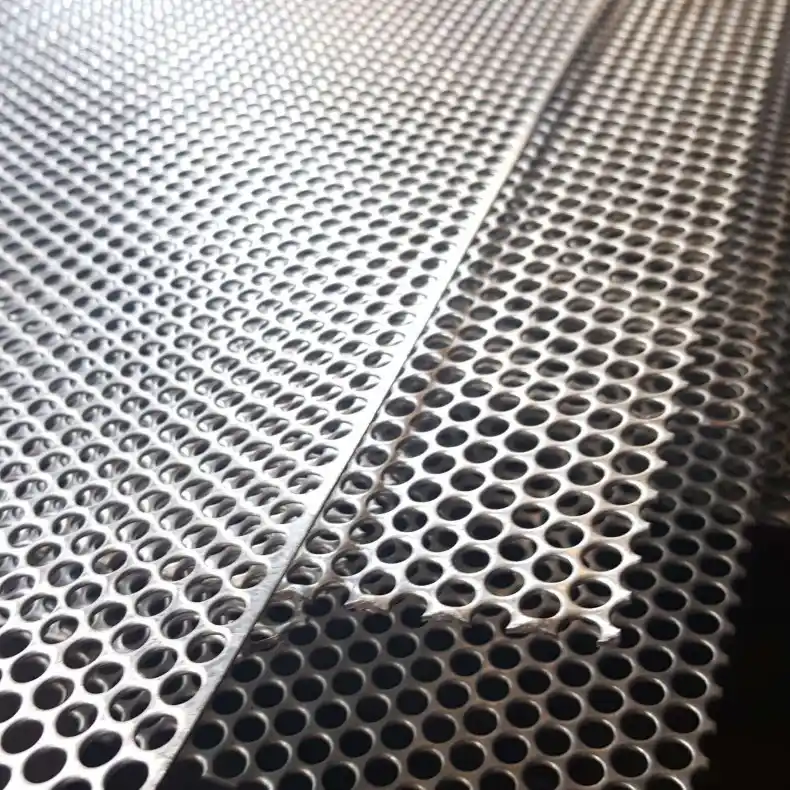
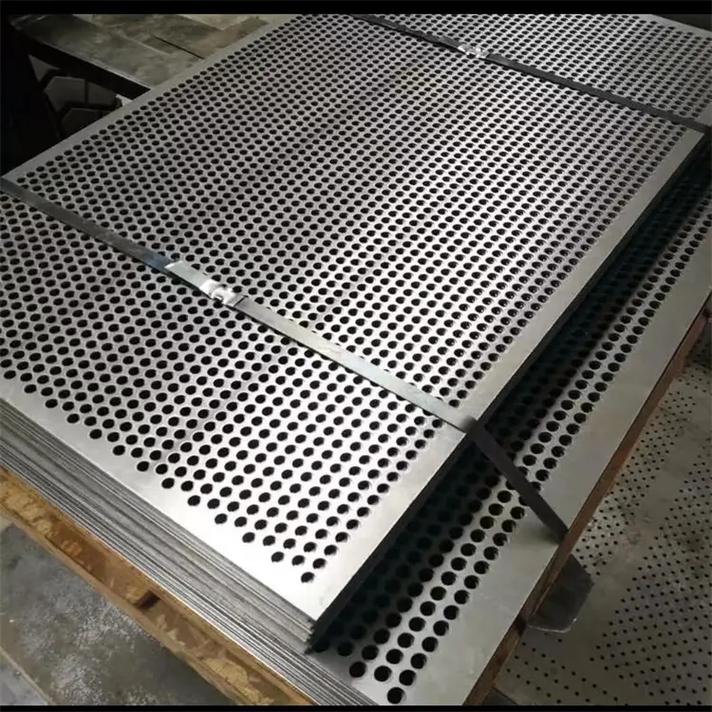



The primary advantage of this food-grade mesh is its compliance with FDA 21 CFR Part 177.2600, ensuring that it does not release harmful substances into food products, making it safe for direct contact with all types of food, including acidic and alkaline foods. The square hole design provides a larger open area compared to round holes, improving screening efficiency and reducing processing time. The mirror-polished surface is smooth and non-porous, preventing food residue from adhering to the mesh, which reduces the risk of bacterial growth and simplifies cleaning procedures. The 304 stainless steel material offers excellent resistance to corrosion from food acids and cleaning agents, ensuring a long service life of up to 10 years with proper maintenance. It is also steam sterilizable, making it suitable for use in high-hygiene environments such as dairy processing and meat packing plants, solving the pain points of food contamination risks and difficult cleaning of traditional mesh materials.
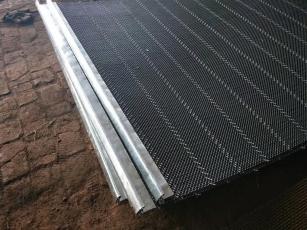
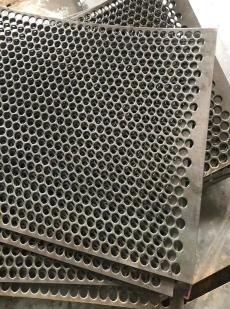
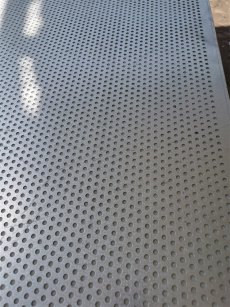
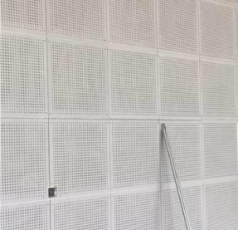
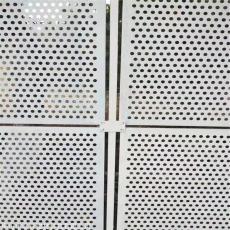
This food processing mesh comes in standard sheet dimensions of 1000mm × 1500mm, with custom sizes available to fit specific processing equipment. The square hole diameter is 5mm, with a hole pitch of 10mm, resulting in a 25% open area ratio that balances product flow and structural stability. The sheet thickness is 1.0mm, providing sufficient rigidity to support heavy food loads without deformation. It can withstand operating temperatures from -20℃ to 250℃, making it suitable for both frozen food processing and high-temperature baking applications. The mirror-polished surface has a roughness of Ra ≤ 0.8μm, meeting hygiene standards for food contact surfaces. Tensile strength reaches 520MPa, and the mesh can withstand repeated cleaning and sterilization cycles without damage. It is also resistant to common food processing chemicals, including sodium hypochlorite and citric acid cleaning solutions.
This food-grade perforated mesh is widely used in baking facilities as liners for bread and pastry trays, allowing hot air to circulate evenly for uniform baking and preventing food from sticking to the tray. In fruit and vegetable processing plants, it is used as a washing screen to separate produce from debris and as a drying rack to allow water to drain quickly. In nut and seed processing, it is used for grading different sizes of nuts, ensuring consistent product quality. It is also suitable for dairy processing facilities as a sieve for separating curds from whey and as a filter for milk clarification. Additionally, it can be used in food packaging lines as a conveyor belt mesh, transporting food products while allowing cleaning solutions to pass through, maintaining high hygiene standards. In commercial kitchens, it is used as a strainer for pasta, vegetables, and fried foods, combining functionality and food safety.








 Post RFQ


 Chat
Chat


 ALL CATEGORIES