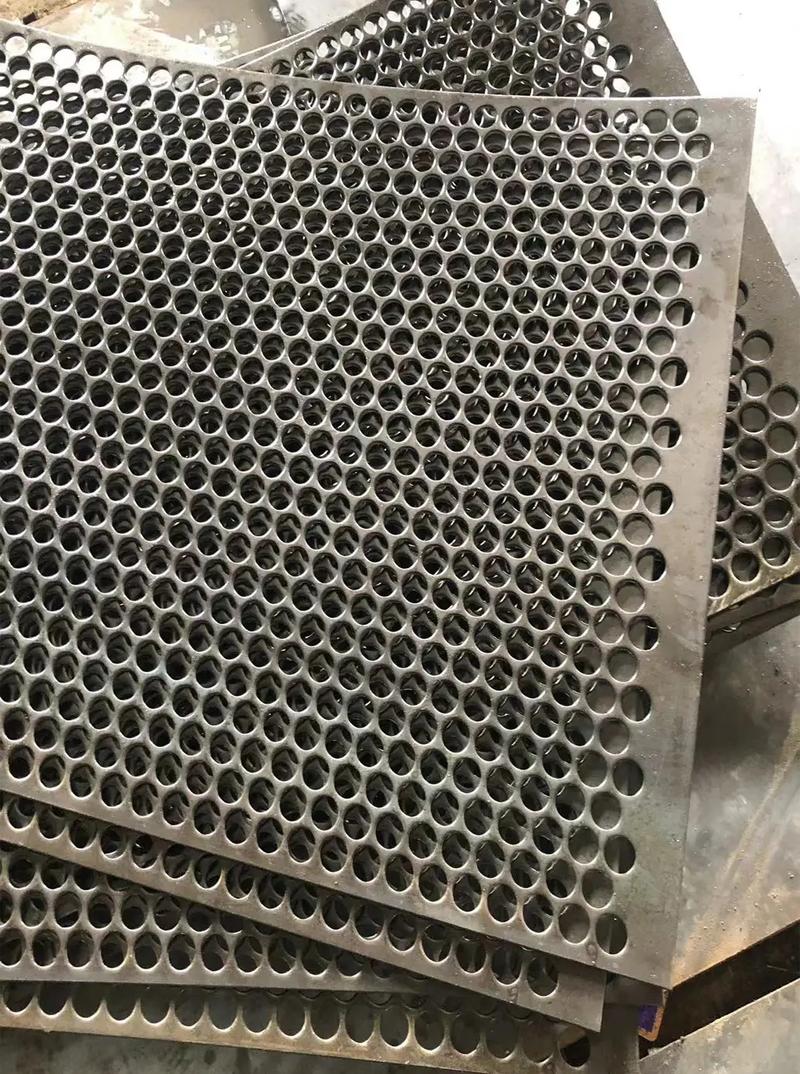
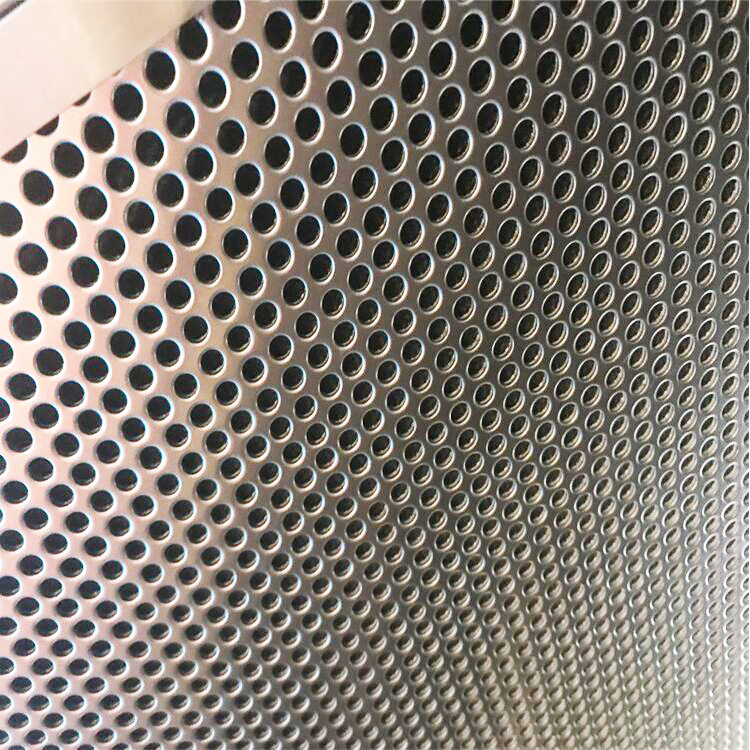



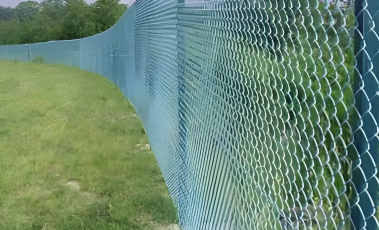
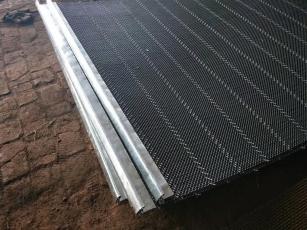
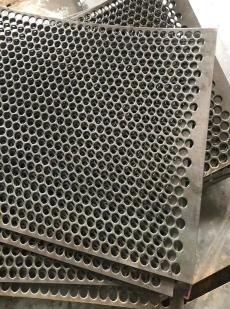
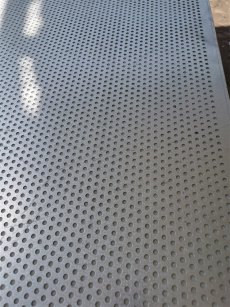
The standout feature of this perforated sheet is its 5.0mm thick Q235 carbon steel construction, which boasts a compressive strength of ≥400MPa, making it capable of withstanding extreme impact from rocks, ores, and construction debris—addressing the common issue of premature wear in industrial screening equipment. The hot-dip galvanizing treatment, compliant with GB/T13912 standards, creates a 80~100μm thick zinc coating that provides long-lasting corrosion resistance, even in humid, dusty, or chemical-exposed environments. The square hole design with 20mm side lengths and 30mm center distance ensures high screening efficiency, allowing small particles to pass through quickly while retaining large materials. Additionally, the sheet can be customized with reinforced edges to prevent bending during heavy use, and its standard 1000*2000mm size fits most industrial vibrating screen frames, reducing installation time and modification costs.
Constructed from 5.0mm thick Q235 carbon steel, this perforated sheet offers for heavy-duty applications. Its standard dimensions are 1000mm (width) * 2000mm (length), with custom sizes available to fit specific equipment requirements. The square holes have a side length of 20mm, spaced 30mm apart center-to-center, resulting in a 30% open area that balances screening efficiency and structural integrity. The hot-dip galvanizing treatment ensures a uniform zinc coating that resists chipping and peeling, with a corrosion resistance service life of over 15 years in indoor industrial environments and 8~10 years outdoors. It can operate reliably in temperatures ranging from -30℃ to 350℃, making it suitable for high-temperature drying or screening processes. With a tensile strength of ≥375MPa and yield strength of ≥235MPa, it resists deformation even under continuous impact from 100kg+ materials. All products undergo pressure testing to ensure they meet load-bearing requirements for industrial equipment.
This heavy-duty perforated sheet is primarily used in mining and quarrying operations, where it serves as a vibrating screen panel for sorting ores, coal, and gravel by size. In construction, it is used in concrete batching plants to screen sand, gravel, and aggregates, ensuring uniform material quality for concrete production. It also finds applications in recycling facilities, where it separates different-sized waste materials such as plastic, metal, and paper. In the cement industry, it functions as a grate in crushers, preventing oversized rocks from entering processing equipment and reducing machine damage. Additionally, it is used in agricultural machinery for screening grains and seeds, and in port terminals for sorting bulk cargo. Its wear-resistant and corrosion-resistant properties make it suitable for use in coastal or humid regions, where other metal sheets would quickly rust and fail.








 Post RFQ


 Chat
Chat


 ALL CATEGORIES