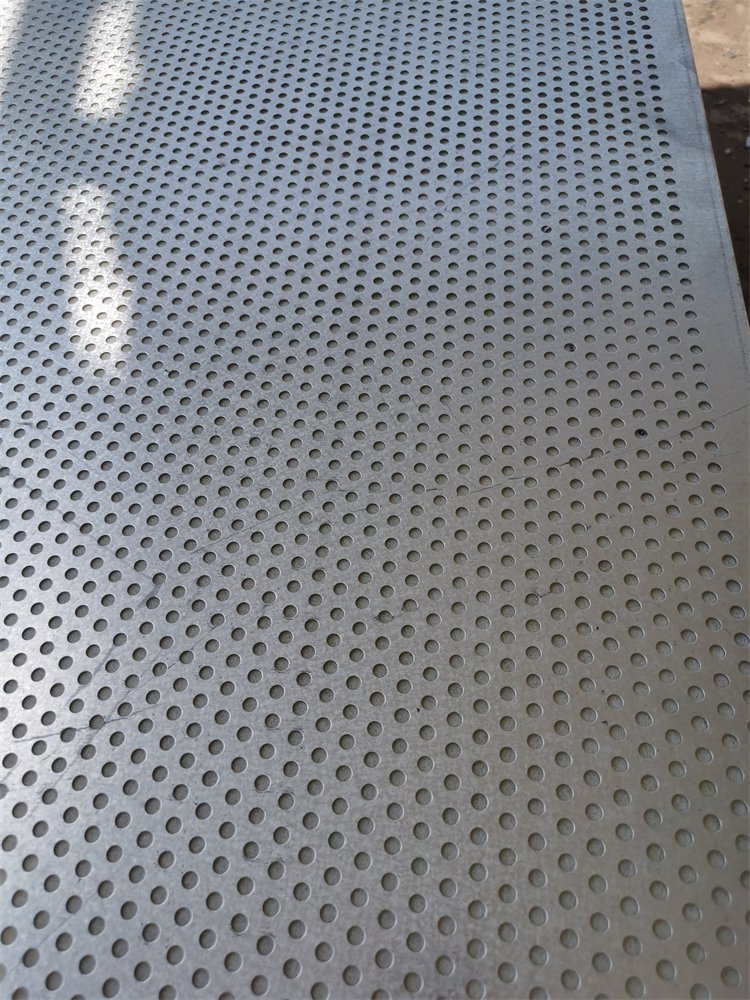
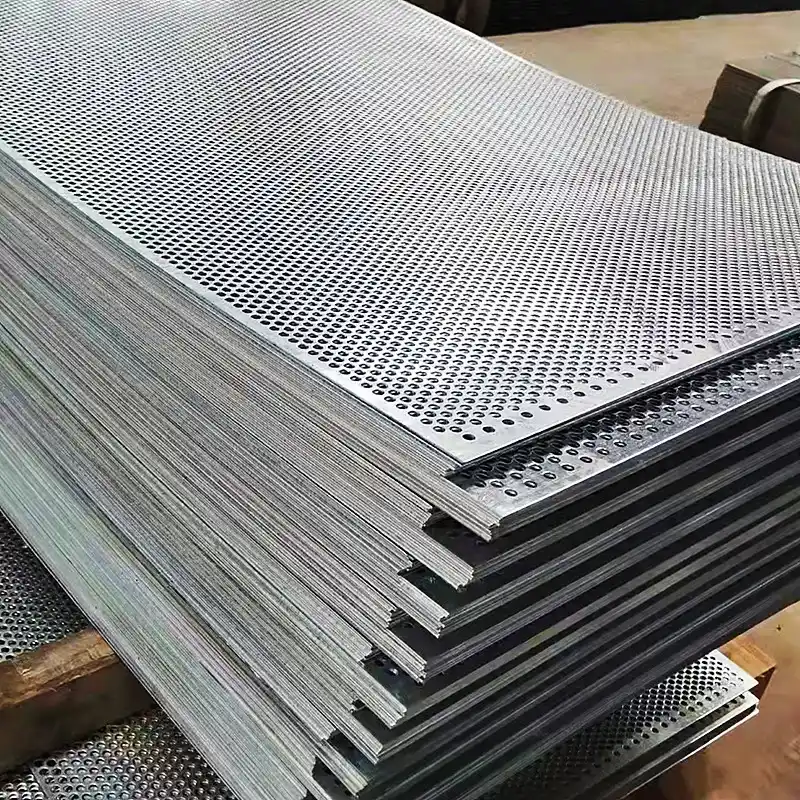





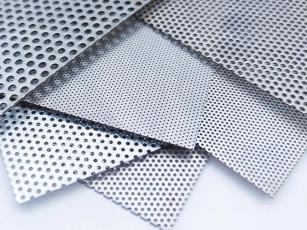
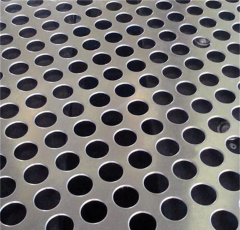
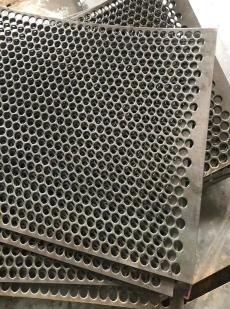
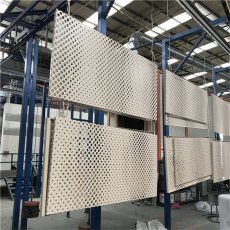
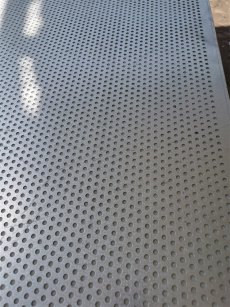
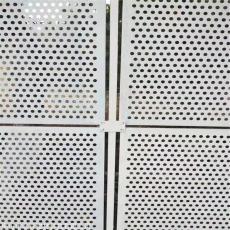
The core advantage of this perforated sheet lies in its food-grade 304 stainless steel construction, which provides superior resistance to rust, acid, and alkaline corrosion commonly encountered in food processing environments. Unlike ordinary stainless steel, the electrolytic polishing treatment creates a smooth, non-porous surface that eliminates bacterial breeding grounds, addressing a critical pain point for food industry operators. The precise round hole design with a 2mm diameter and 5mm center distance ensures uniform airflow and efficient particle screening without clogging. Additionally, its high compressive strength of over 300MPa allows it to withstand heavy loads in industrial equipment, reducing the need for frequent replacements. The product also supports custom sizing and hole configurations to adapt to unique production line requirements, enhancing operational flexibility.
Crafted from 1.5mm thick 304 food-grade stainless steel, this perforated sheet maintains consistent structural integrity even under repeated mechanical stress. Its standard dimensions are 1220mm in width and 2440mm in length, with customizable sizes available upon request. The round holes are precisely punched with a diameter of 2mm, spaced 5mm apart center-to-center, ensuring a 15% open area for optimal airflow and filtration. The electrolytic polishing treatment results in a surface roughness of Ra≤0.8μm, meeting strict hygiene standards. It can operate reliably in temperatures ranging from -20℃ to 150℃, making it suitable for both cold storage and high-temperature oven applications. With a compressive strength of ≥300MPa and tensile strength of ≥520MPa, it resists deformation even when used in heavy-duty sorting or drying equipment. All products undergo strict quality inspection to ensure hole accuracy within ±0.1mm, guaranteeing consistent performance across batches.
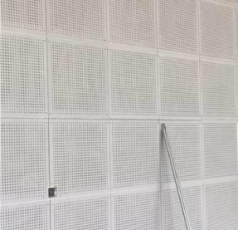
This perforated sheet is widely used in the food and beverage industry, including grain processing plants where it serves as a sorting screen to separate different-sized grains and remove impurities. In bakery operations, it functions as oven ventilation panels to ensure uniform heat distribution, preventing uneven baking of bread and pastries. It is also an essential component in food drying equipment, allowing hot air to circulate efficiently around fruits, vegetables, or meat products, reducing drying time while preserving nutritional value. In pharmaceutical manufacturing, it is used for filtering raw materials and ventilating clean rooms, as its FDA certification ensures compliance with sterile production requirements. Additionally, it finds applications in commercial kitchen exhaust systems, where it filters grease and prevents debris from entering ventilation ducts, reducing fire hazards and maintenance costs. For catering businesses, it can be customized into food display racks or drain trays, combining functionality with a sleek, hygienic appearance.











 Post RFQ


 Chat
Chat


 ALL CATEGORIES