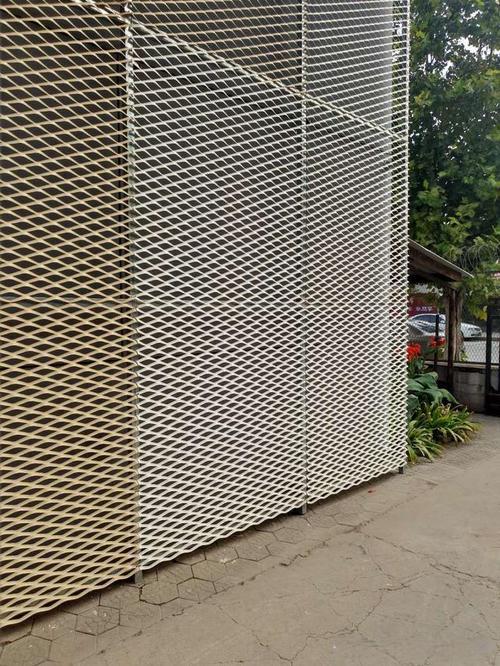
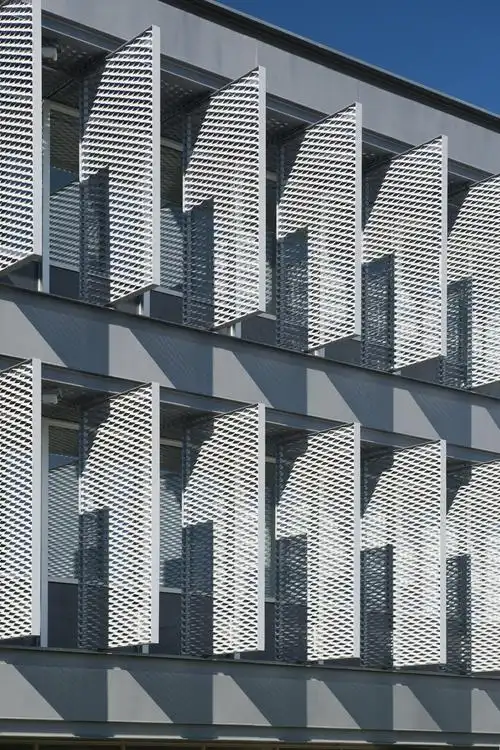


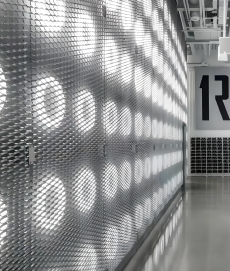
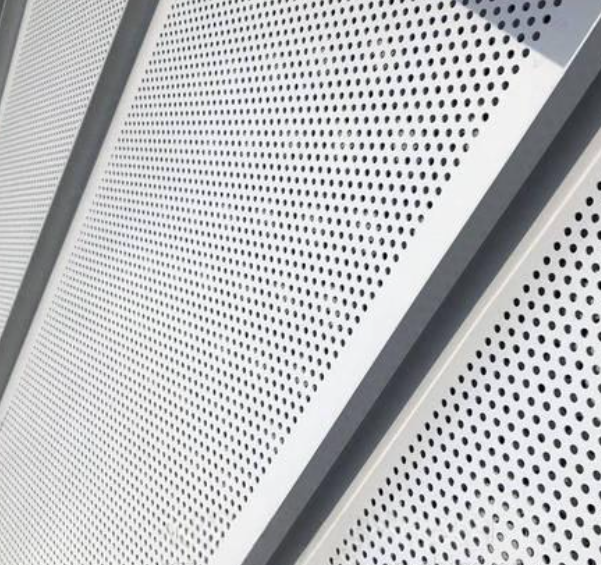
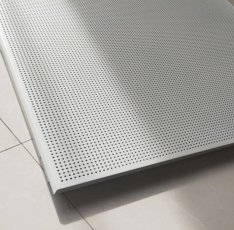
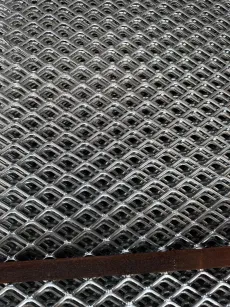
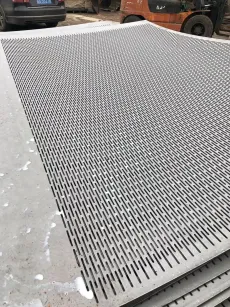
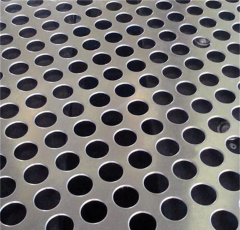
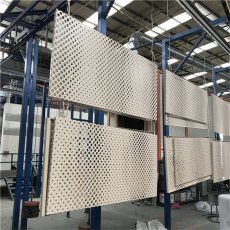
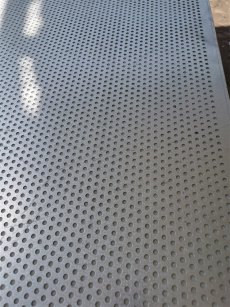
The key feature of this decorative mesh is its innovative diamond-round hole pattern, which creates dynamic visual effects that change with light and viewing angle, adding a modern and artistic touch to building exteriors and interiors. Unlike traditional solid facade materials, it allows natural air circulation, reducing indoor temperatures in summer and lowering energy costs for ventilation systems. The 6061 aluminum alloy material offers high tensile strength and low weight, making it easy to install and reducing transportation costs. The anodized surface treatment forms a hard, wear-resistant oxide layer that resists scratches, UV radiation, and atmospheric corrosion, ensuring the mesh maintains its color and appearance for over 15 years. It also meets fire safety standards, making it suitable for use in high-rise commercial buildings and public facilities, solving the pain points of heavy facade materials, poor ventilation, and short service life of decorative products.
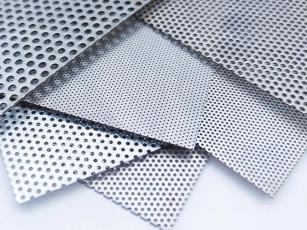
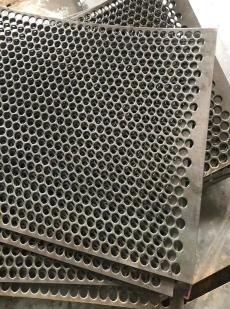
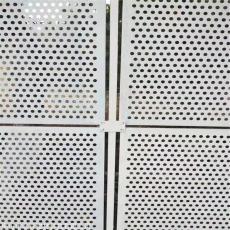
This architectural perforated mesh is available in standard sheet dimensions of 1200mm × 2400mm, with custom sizes up to 1500mm × 3000mm available. The hole pattern combines 10mm diamond holes and 25mm round holes, with a hole pitch ranging from 15mm to 30mm to achieve a 40% open area ratio, balancing ventilation and privacy. The sheet thickness is 1.5mm, providing sufficient structural stability to withstand high winds without deformation. The anodized surface has a thickness of 10μm, ensuring excellent corrosion resistance. The wind resistance grade is GB 50009-2012 Grade 7, capable of withstanding wind speeds of up to 120km/h. The fire rating is GB 8624-2012 B1, meaning it is difficult to ignite and does not spread fire. The weight per square meter is 4.05kg, significantly lighter than steel facade materials, reducing the load on building structures.
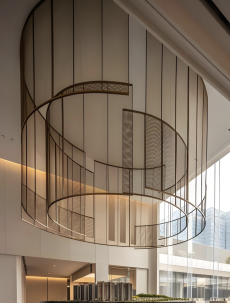
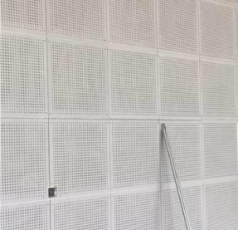
This decorative perforated mesh is widely used in commercial building facades, such as office towers, shopping malls, and hotel exteriors, creating a modern and stylish appearance while improving energy efficiency. In interior design, it is used for ceiling decorations, partition walls, and feature walls in conference rooms, lobbies, and exhibition halls, adding a sense of depth and artistry to the space. It is also suitable for public facilities such as subway stations, airports, and stadiums, where its ventilation and light transmission properties improve indoor air quality and reduce energy consumption. Additionally, it can be used in residential buildings for balcony railings, window screens, and exterior wall decorations, combining safety, aesthetics, and functionality. In coastal areas, its corrosion-resistant properties make it an ideal choice for outdoor applications where salt air can damage traditional materials.








 Post RFQ


 Chat
Chat


 ALL CATEGORIES