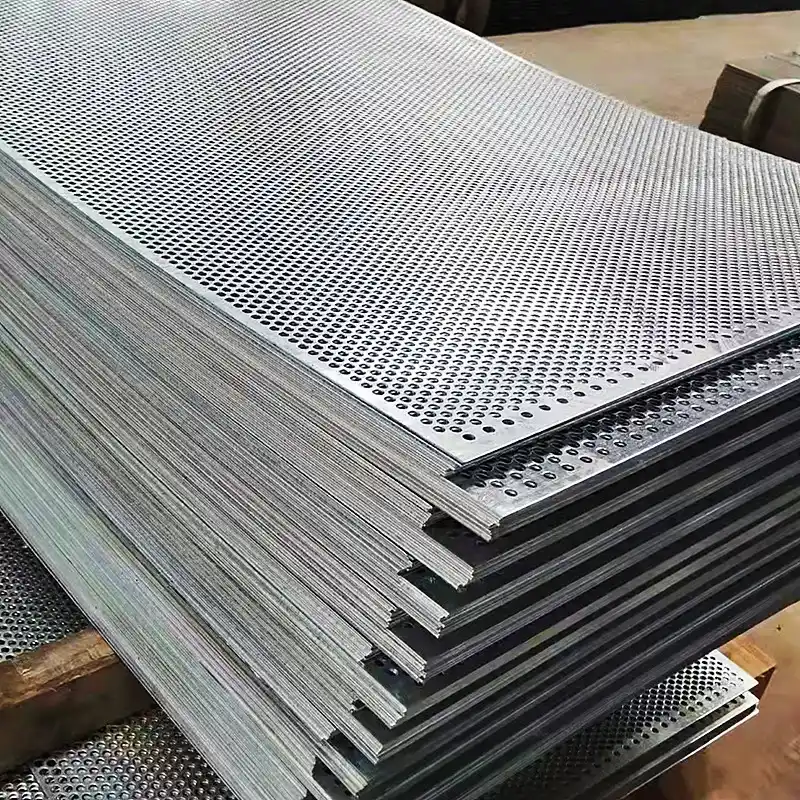
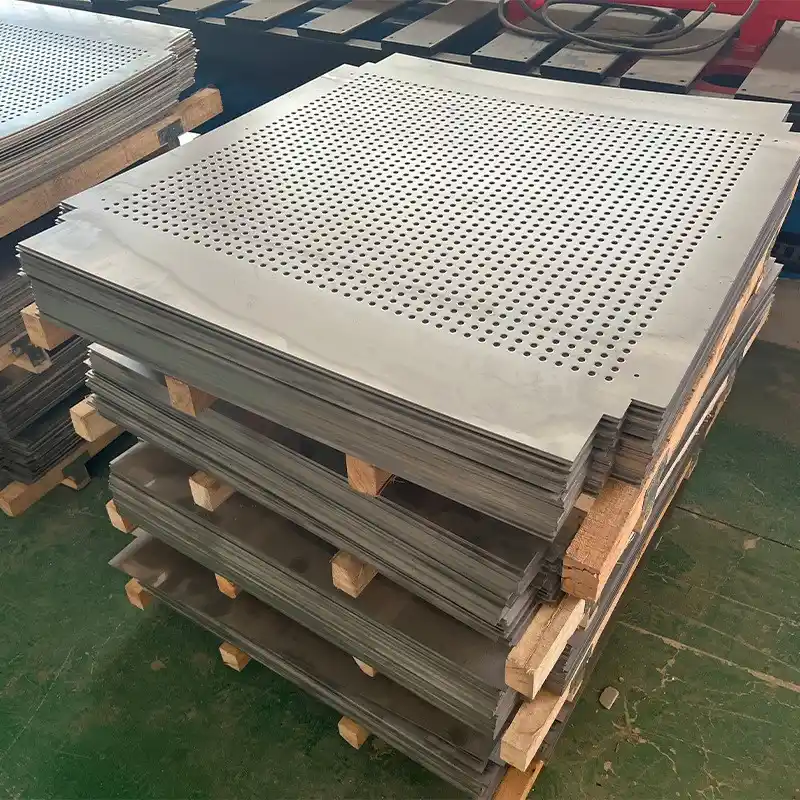




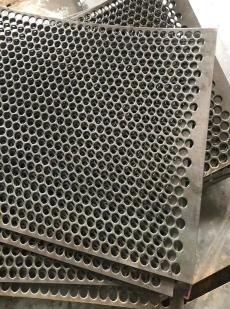
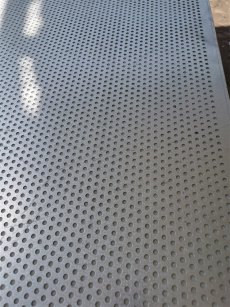
The core advantage of this perforated mesh lies in its laser precision punching technology, which delivers hole diameter accuracy within ±0.01mm, ensuring consistent filtration performance across the entire sheet. Unlike mechanical punched mesh, it has no burrs or sharp edges, preventing damage to sensitive fluids and reducing the risk of bacterial growth in sanitary applications. The 316L stainless steel material provides superior resistance to chlorides and acidic solutions, outperforming 304 stainless steel in coastal or high-humidity industrial settings. The electropolished surface creates a smooth, non-porous finish that is easy to clean and sterilize, meeting FDA and GMP guidelines for food and pharmaceutical use. Additionally, its high tensile strength allows for use in high-pressure filtration systems without deformation, solving the pain points of frequent mesh replacement and filtration inefficiency.
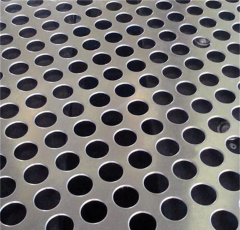
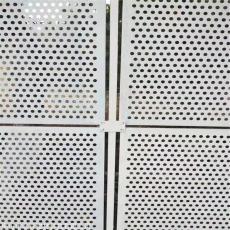
This industrial filtration mesh comes in standard sheet dimensions of 1000mm × 2000mm, with custom sizes available upon request. The hole diameter is precisely set at 0.2mm, with a hole pitch of 0.5mm to achieve a 5μm filtration precision rating. The sheet thickness is 0.3mm, balancing structural stability and fluid permeability. It can withstand operating temperatures ranging from -40℃ to 300℃, making it suitable for both cryogenic and high-temperature processing applications. The corrosion resistance grade is ISO 10289 C4, ensuring long-term use in environments with moderate to high chloride concentrations. The electropolished surface has a roughness of Ra ≤ 0.4μm, meeting sanitary standards for direct contact with food and pharmaceutical products. Tensile strength reaches 620MPa, and the mesh can handle maximum operating pressures of up to 10 bar without structural failure.
This precision perforated mesh is widely used in chemical processing plants for filtering acidic and alkaline waste streams, as well as for purifying raw materials such as solvents and catalysts. In pharmaceutical manufacturing, it is employed in liquid clarification processes for injectable drugs and oral medications, ensuring compliance with GMP regulations. In the food and beverage industry, it serves as a filter for edible oil refining, beer brewing, and fruit juice processing, removing particulate matter while maintaining product purity. It is also suitable for high-purity water treatment systems in semiconductor manufacturing, where even micro-sized contaminants can damage sensitive components. Additionally, it can be used in marine engineering applications for filtering seawater desalination systems, thanks to its exceptional corrosion resistance to saltwater.








 Post RFQ


 Chat
Chat


 ALL CATEGORIES