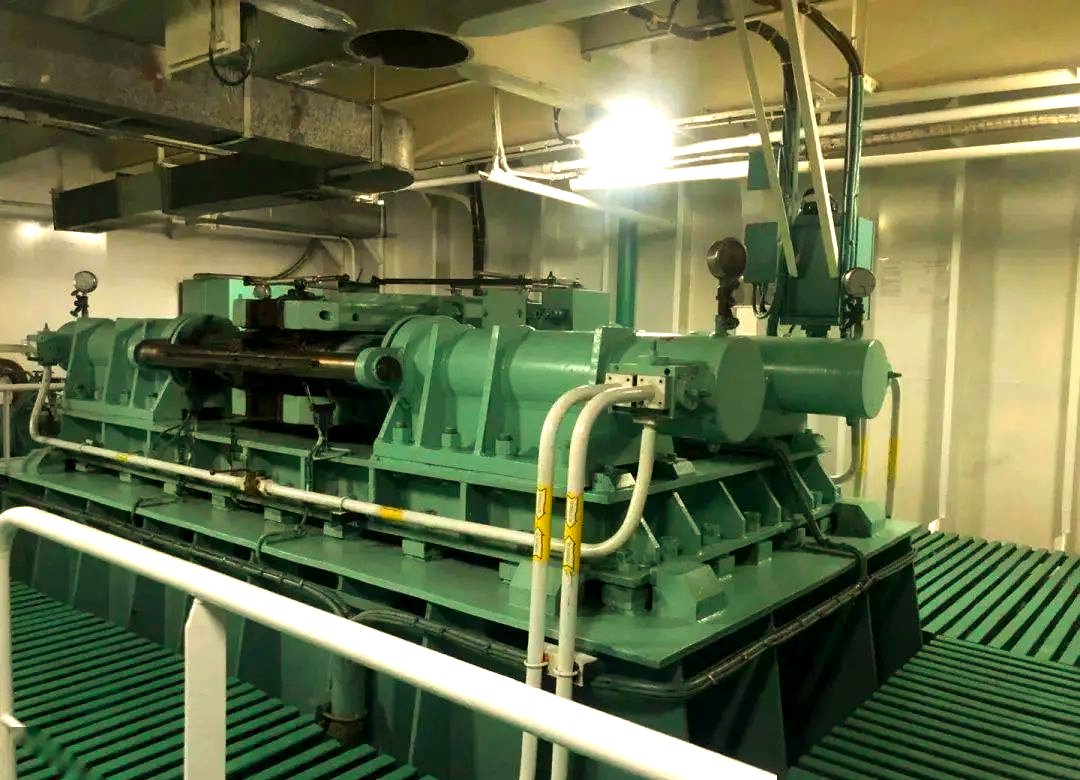
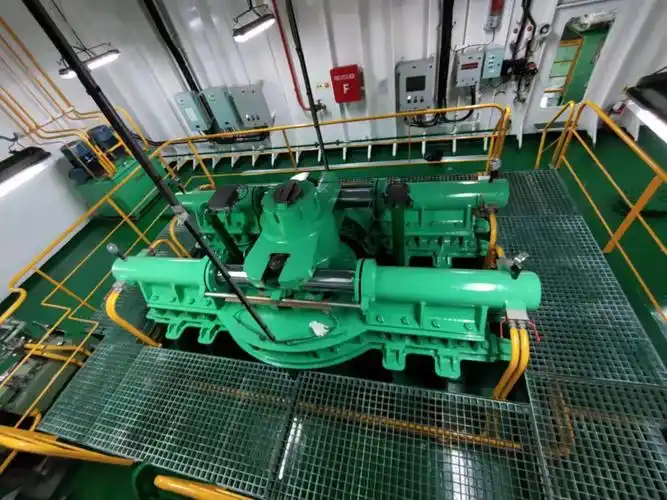





The core features are its efficient torque conversion and compact design.An internal rack-and-pinion or screw mechanism transforms the cylinder's linear thrust into high-torque rotation at the output shaft.A dual-piston symmetrical design ensures smooth and balanced torque output.Integrated mechanical or hydraulic end cushions prevent rigid impact at swing limits.The sealing system is optimized for oscillating motion,using special rotary seal combinations to ensure low leakage and long life under continuous operation.The robust housing withstands vibration and shock loads encountered in marine environments.
Offers a wide range of output torque,from hundreds to tens of thousands of Newton-meters.The swing angle is typically between±35°and±90°,customizable as needed.The standard working pressure rating is 16-21 MPa.It features left and right ports for clockwise and counterclockwise rotation control.Mounting flanges comply with relevant maritime or industrial standards.Interfaces for absolute or incremental encoders are available for high-precision angular feedback.Fast response speed enables quick reaction to steering commands.
Primarily used as the core power unit directly driving the rudder blade in steering systems for various ships and offshore platforms.Used in port container cranes and shipboard deck cranes to drive slewing mechanisms.Also employed in heavy-duty industrial robots for waist or arm joint drives,providing powerful rotary force.Additionally,used in wind turbine pitch systems,arc-opening mechanisms for large gates,and power steering systems for special vehicles.


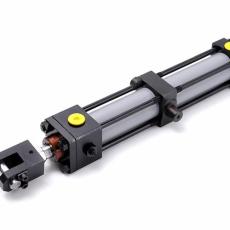
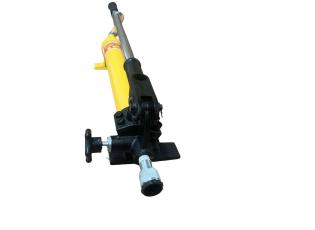


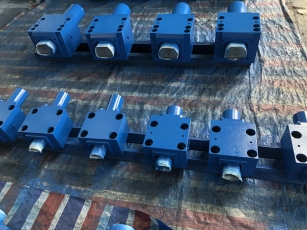





 Post RFQ


 Chat
Chat
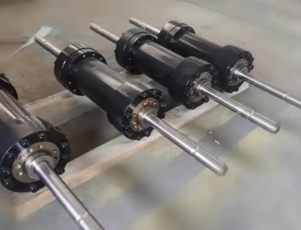


 ALL CATEGORIES