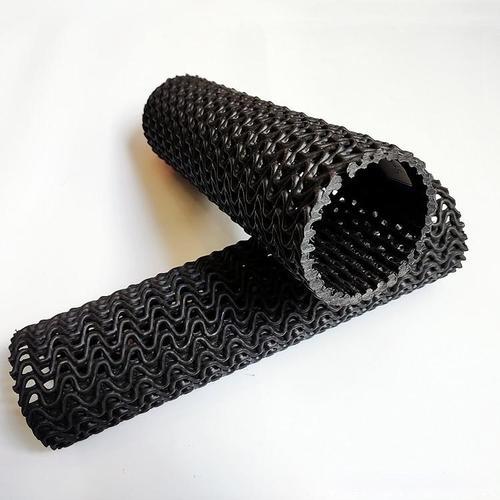
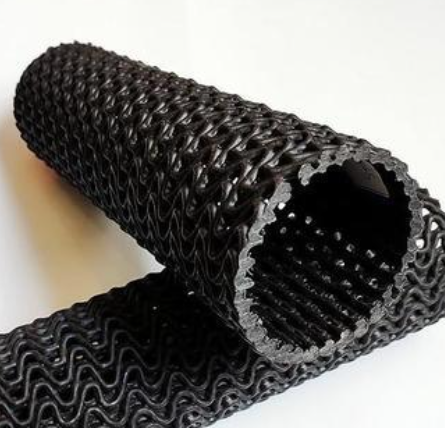





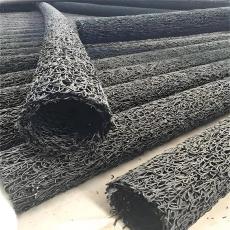
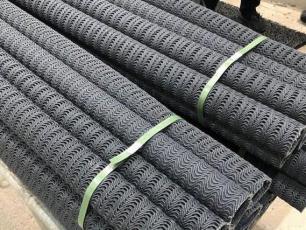
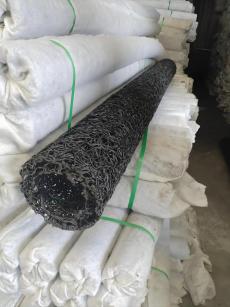
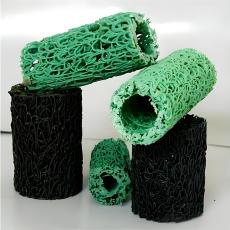
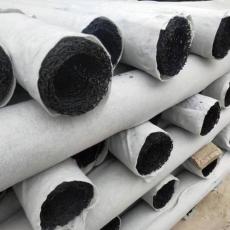
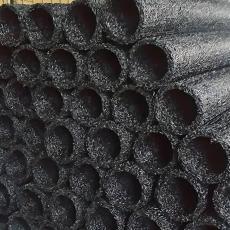

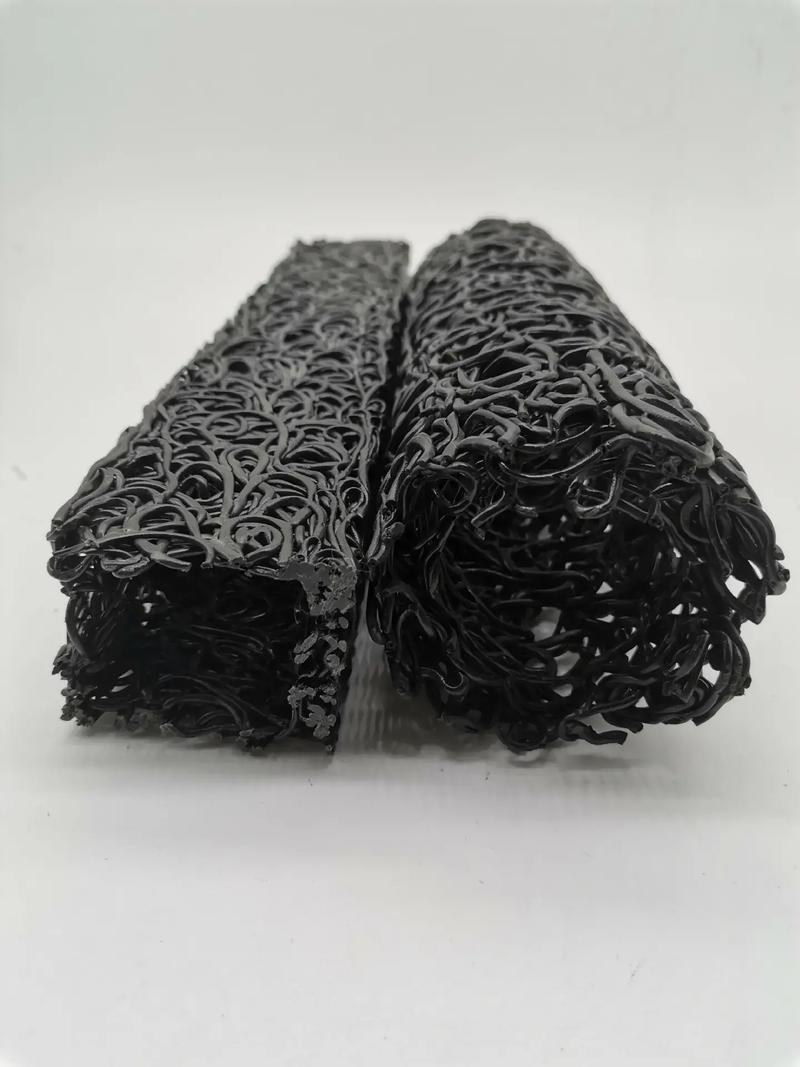
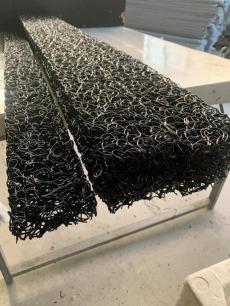
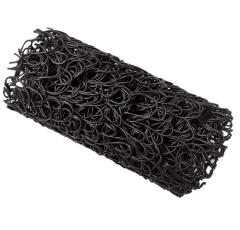
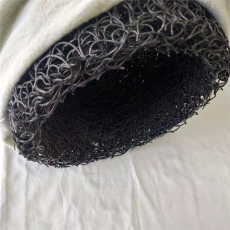
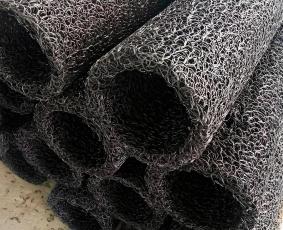
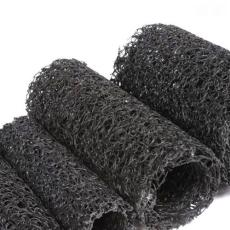
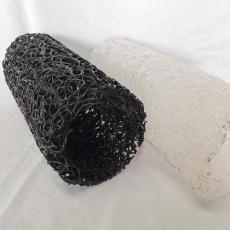
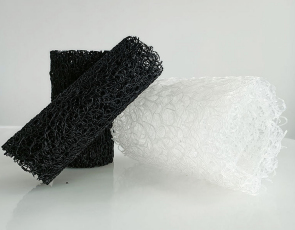
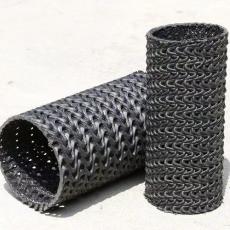
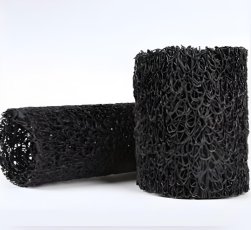
The core advantages of this flexible spring type blind drain include its excellent flexibility, allowing it to be bent to a radius of less than 0.5 meters without damaging the structure, making it suitable for complex terrain and narrow space scenarios. The HDPE spring skeleton provides sufficient structural support, ensuring that the drainage channel will not collapse under soil pressure. The needle-punched non-woven geotextile wrapping layer has good filtration performance, effectively blocking fine soil particles and extending the service life of the product to over 15 years. It is lightweight, with a linear weight of only 1.8kg per meter, making it easy to carry and install without the need for heavy machinery. The smooth inner surface reduces sediment accumulation, and the temperature resistance range from -30℃ to 70℃ adapts to various climate conditions. The installation is simple, just lay it in the pre-dug trench and backfill with soil, reducing construction time and labor costs.
The detailed specifications of this flexible spring type blind drain are as follows: The skeleton material is high-density polyethylene spring, the wrapping layer is needle-punched non-woven geotextile with a weight of 150g/㎡, flexible bending radius ≤0.5 meters, available diameter options are 80mm and 100mm, standard roll length is 50 meters per roll, linear weight is approximately 1.8kg per linear meter, tensile strength ≥12kN/m, permeability coefficient ≥1.2×10^-2 cm/s, temperature resistance range from -30℃ to 70℃, complies with ISO 10318 geosynthetic drainage material standards, and custom specifications such as different diameter and roll length can be provided according to customer requirements.
This flexible spring type blind drain is widely used in scenarios with complex terrain and narrow space. Firstly, it is suitable for drainage of mountain slopes and hillside areas, adapting to the irregular terrain and preventing soil erosion caused by water seepage. Secondly, it is ideal for underground drainage of curved landscape belts and garden paths, solving the problem of waterlogging in narrow spaces. It can also be used for drainage of narrow corridors and basement foundations, providing reliable drainage in limited space. Additionally, it is suitable for drainage of small sports fields and residential green belts, improving the drainage efficiency of small-scale projects. It is also applicable to temporary drainage projects such as construction sites and outdoor events, providing quick and convenient drainage solutions.







 Post RFQ


 Chat
Chat


 ALL CATEGORIES