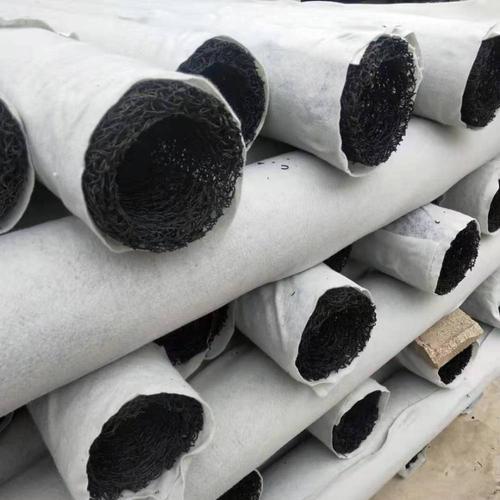
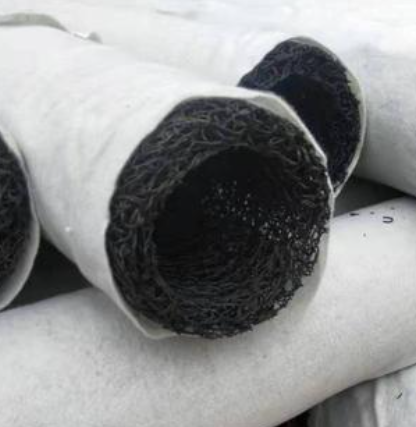





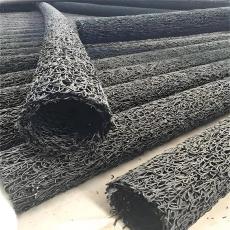
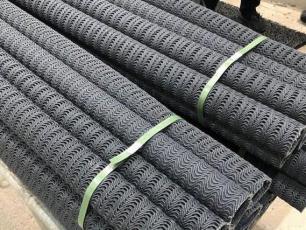
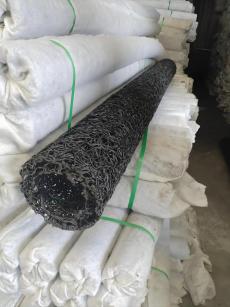
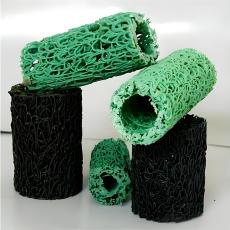
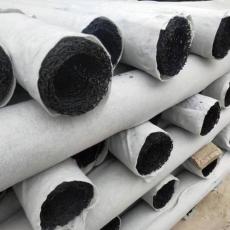
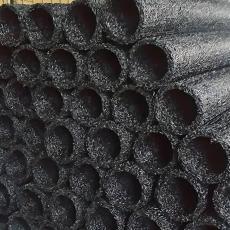

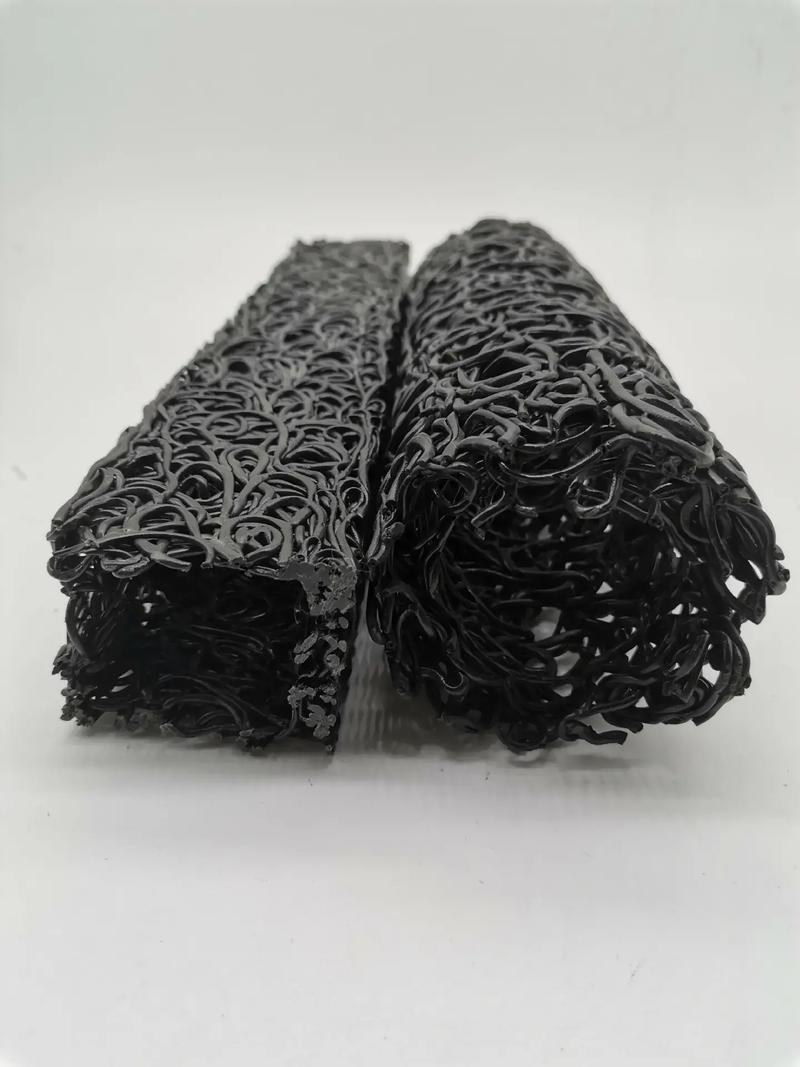
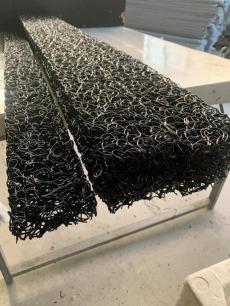
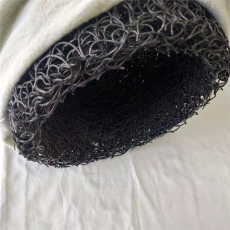
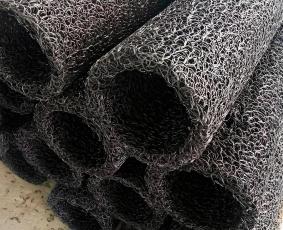
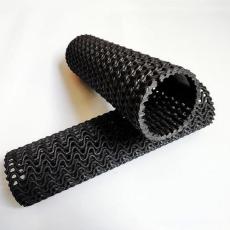
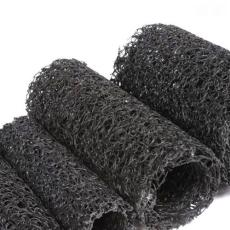
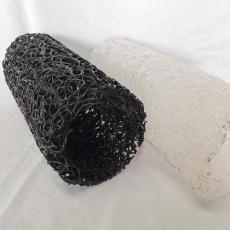
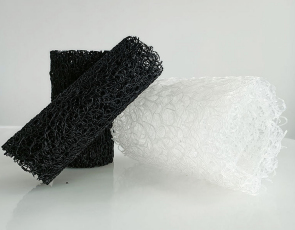
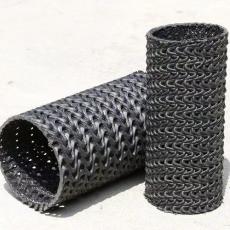
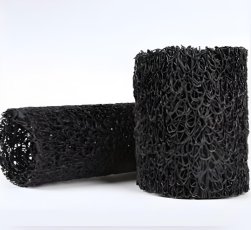
This blind drain stands out for its non-corrosive HDPE core, which resists rust, rot, and chemical degradation from soil fertilizers and pesticides. The non-woven geotextile wrapping prevents soil particles from entering the drainage core while maintaining high water permeability, eliminating the risk of clogging common with unprotected drainage pipes. Its hot-melt welded joint design ensures a tight, leak-proof connection between sections, reducing installation errors and long-term maintenance needs. Additionally, it meets global environmental management standards, making it suitable for organic farm projects. The 5-year UV stability allows for outdoor storage before installation without performance loss, and its high compressive strength can withstand heavy farm equipment traffic over the trench without deformation.
The standard roll length is 100 linear meters, with a core outer diameter of 100mm and a total wrapped diameter of 110mm. Each linear meter has a drainage flow rate of up to 125 liters per hour, with a compressive strength of 250 kPa, allowing it to support up to 25 metric tons of vertical load per square meter. The operating temperature range spans from -20°C to 85°C, making it suitable for most global agricultural regions. It complies with ASTM D6952 standards for geosynthetic drainage products, and the geotextile has a tensile strength of 18 kN/m. Installation requires a 30cm-deep trench with 10-15cm of gravel substrate beneath the drain and 15-20cm of gravel backfill around the unit.
Primary applications include row crop field drainage, pasture land water management, orchard root zone drainage, and rice paddy field edge drainage. It is also suitable for drainage around farm ponds and irrigation canal leak repair. The product is ideal for large commercial farms, family-owned agricultural operations, and land reclamation projects in areas with high annual rainfall or poor natural soil drainage. It can also be used to control soil salinization by lowering the groundwater table, supporting sustainable agricultural practices.







 Post RFQ


 Chat
Chat


 ALL CATEGORIES