Basic Info
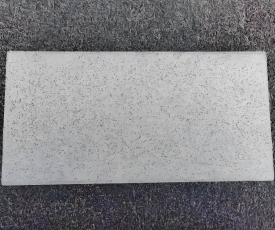
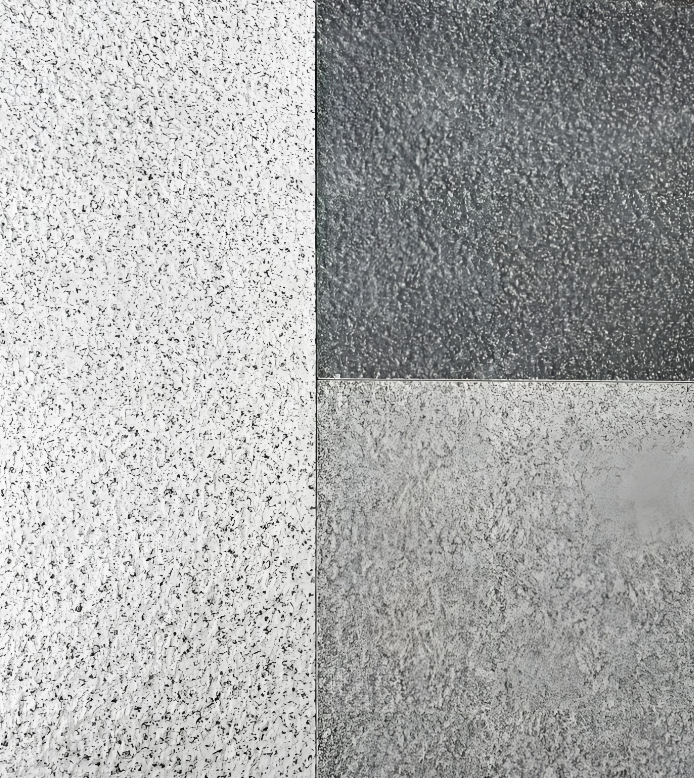
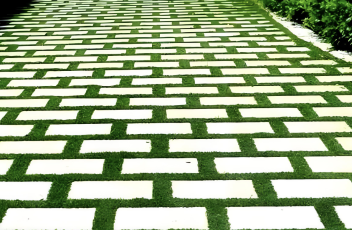
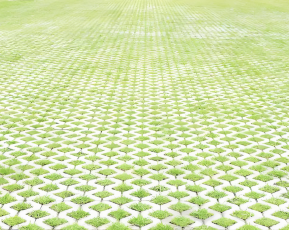
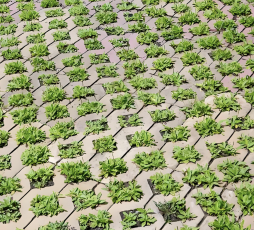
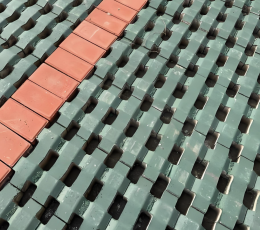
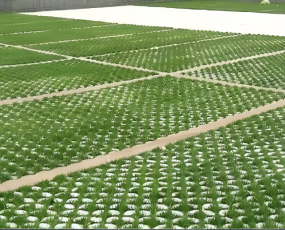
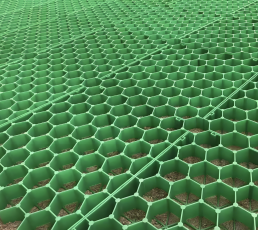
This permeable ecological stone-like PC brick is a core paving material for sponge city construction. It achieves efficient water permeability through its internal porous structure, quickly infiltrating rainwater into the ground to replenish groundwater and alleviate urban waterlogging. At the same time, it closely replicates the texture and appearance of natural stone, combining ecological nature and aesthetics. Compared with traditional permeable bricks, it has higher compressive strength, better wear resistance, and is not easy to block pores, avoiding frequent cleaning. It effectively solves the pain points of reduced water permeability, easy wear and high maintenance costs in sponge city paving, providing a sustainable paving solution for urban ecological construction.
Customer reviews

Sarah · Municipal Engineer
As a municipal engineer, I highly recommend the Permeable Ecological Stone-like PC Paver for sidewalk projects. It solves two major urban issues: stormwater management and aesthetic appeal. The permeability is excellent, reducing puddles after rain, while the stone-like finish blends beautifully with urban landscapes. Installation was straightforward, and maintenance has been minimal compared to traditional concrete pavers.
Product Description
Product features:
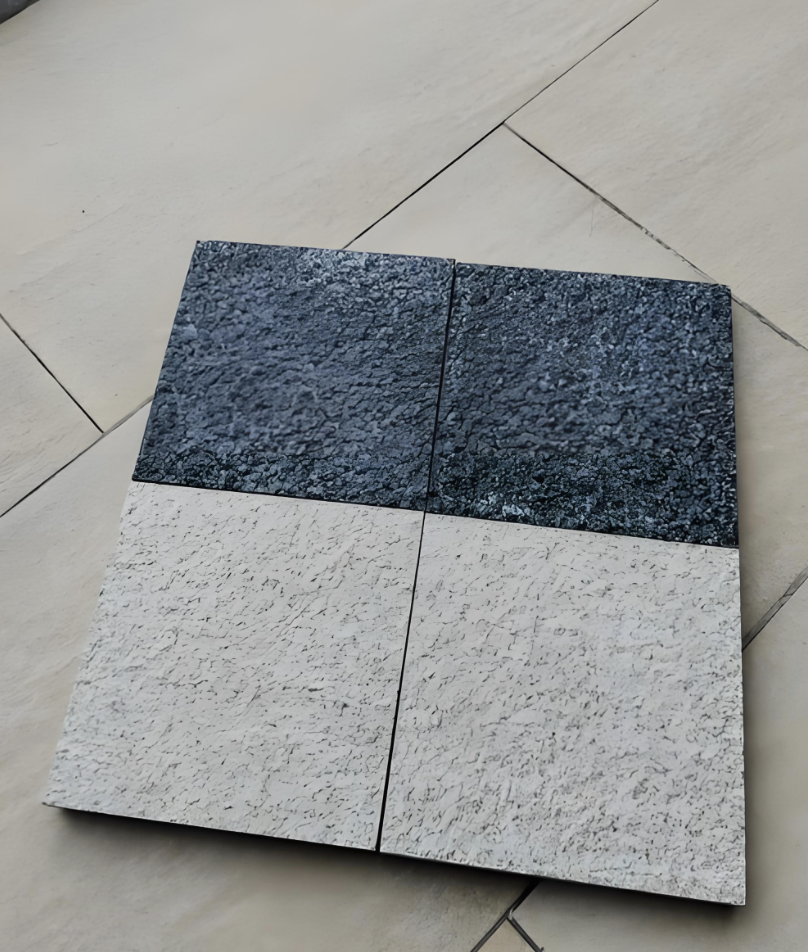
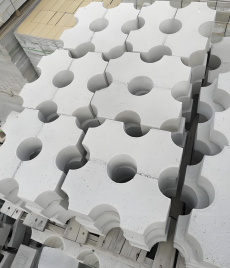
The core highlight is its ultra-high water permeability of 1.2mm/min, which can quickly infiltrate rainwater from the road surface into the ground during heavy rain, effectively alleviating urban waterlogging and replenishing groundwater resources. The internal porous structure made of ceramsite aggregate not only has water permeability but also effectively reduces road noise, improving walking comfort. Its 55MPa compressive strength can withstand non-motor vehicles and light vehicle traffic, suitable for urban greenways, parking lots and other scenarios. The surface is treated with porous stone-like texture, which not only ensures water permeability but also has excellent slip resistance, with a R12 slip resistance rating ensuring pedestrian walking safety in rainy days. It is made of highly recyclable environmentally friendly materials, reducing the generation of construction waste and complying with the development concept of low carbon and environmental protection.
Product specifications:
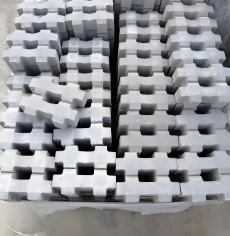
The standard size is 400mm×400mm×60mm, with a single block weight of approximately 7.5kg, and a water permeability rate of 1.2mm/min, complying with the GB/T 25993-2010 standard for permeable pavement bricks and permeable pavement panels. The internal porosity is over 25%, which can effectively store rainwater and slowly release it into the ground. It has a compressive strength of 55MPa, which can withstand repeated walking of adults and temporary parking of small cars. The surface is treated with porous stone-like texture, with a friction coefficient of over 0.75, and excellent slip resistance. It uses ceramsite, cement and natural stone powder as main raw materials, without any toxic and harmful substances, complying with national environmental protection standards. It is packaged on pallets, with approximately 62.5 square meters of paving bricks per pallet, which can be directly used for paving construction of sponge city projects.
Product application:
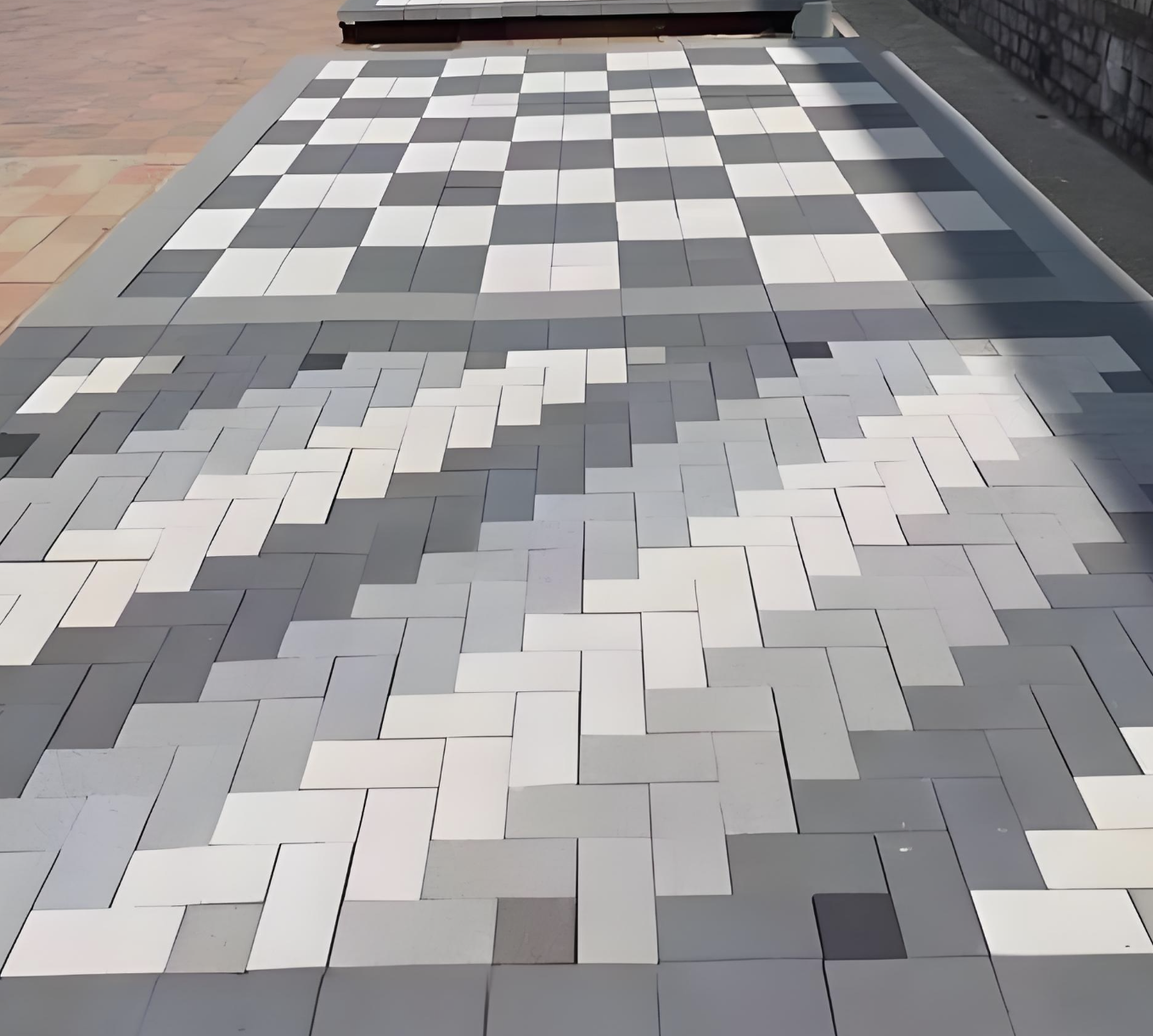
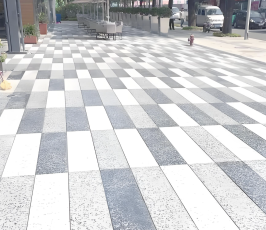
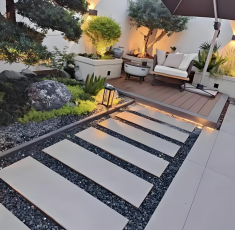
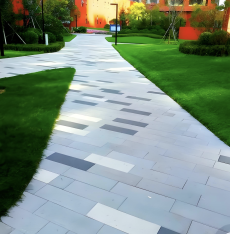
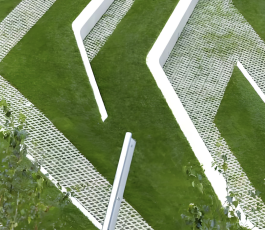
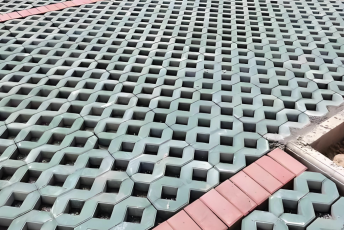
It is mainly applicable to areas requiring permeable paving such as sponge city construction projects, urban greenways, community parks, parking lots, sidewalks and squares. It can be used to create urban slow-moving systems, community leisure spaces, paving floors around rainwater gardens, and effectively coordinate with landscape greening and rainwater collection systems, contributing to urban ecological environment construction. Its porous structure can also effectively reduce road temperature and alleviate urban heat island effect, creating a more comfortable outdoor environment for cities.
Frequently Asked Questions (FAQ)
Q:What are the main advantages of permeable ecological stone-like PC pavers?
A:Permeable PC pavers offer 3 key benefits: 1) 95%+ water permeability rate for stormwater management, 2) 50-80% natural stone texture replication with 30% cost savings, 3) 40-60mm thickness meets pedestrian/light vehicle load standards (EN1339).
Q:How does permeable PC paver compare to traditional concrete pavers in durability?
A:PC pavers exceed concrete in: 1) Freeze-thaw resistance (50+ cycles vs 30), 2) Surface abrasion (AA class per EN1344), 3) Color retention (UV-resistant pigments), while maintaining equal compressive strength (50MPa+).
Q:What base preparation is required for installing permeable ecological pavers?
A:Requires 3-layer system: 1) 150-300mm gravel subbase (20-40mm aggregate), 2) 50mm bedding layer (2-5mm chips), 3) Edge restraints. Slope gradient should be 1-2% for optimal drainage (ASTM C1781 standard).
Q:Can stone-like PC pavers be used for heavy vehicle areas?
A:Yes when: 1) Thickness ≥80mm, 2) Subbase ≥300mm compacted, 3) Using reinforced models (load class D400 per EN1338). Not recommended for continuous HGV traffic.
Q:How to maintain permeable pavers' drainage performance over time?
A:Annual maintenance includes: 1) Vacuum sweeping to clear pores, 2) Pressure wash (≤1000psi), 3) Spot replacement of damaged units. Avoid sealants that block permeability.












 Post RFQ


 Chat
Chat


 ALL CATEGORIES