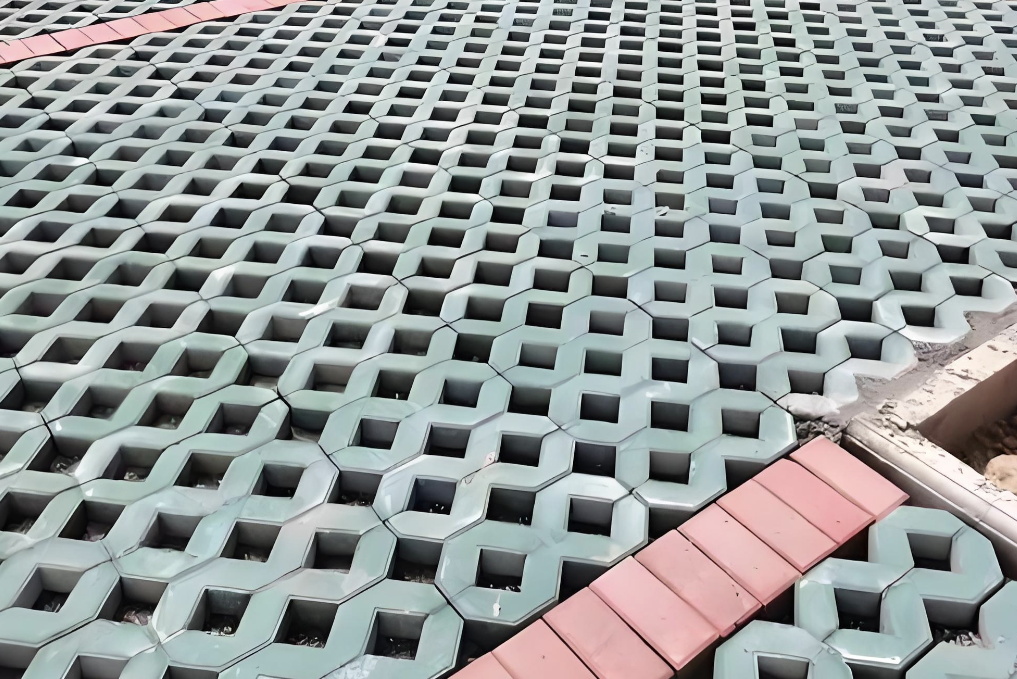
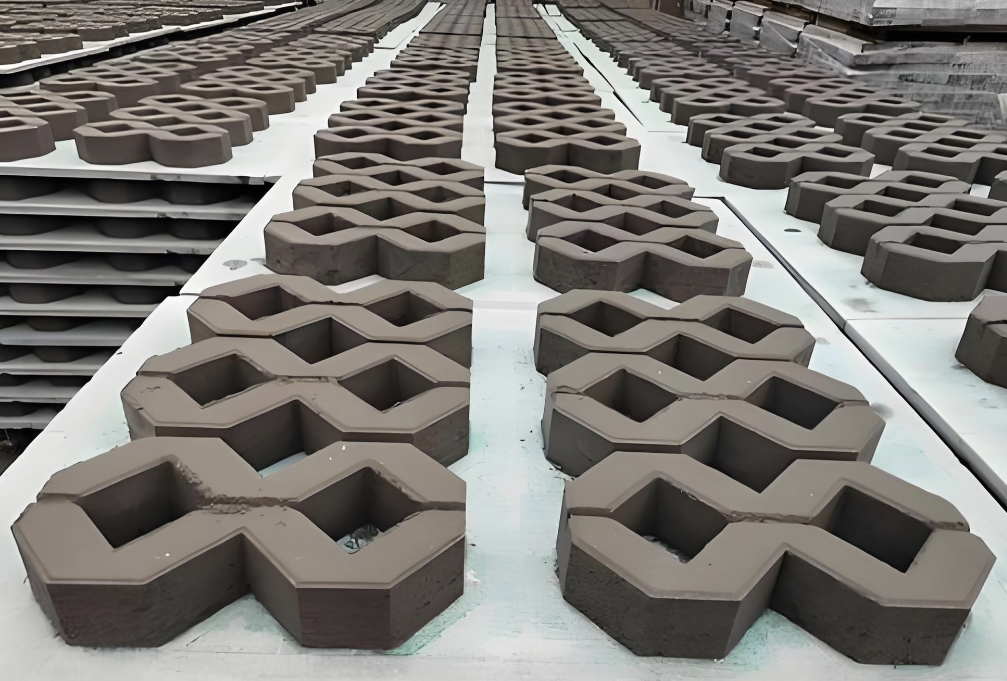





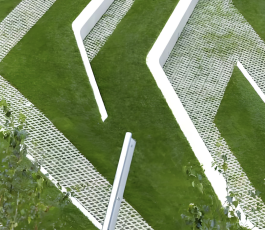
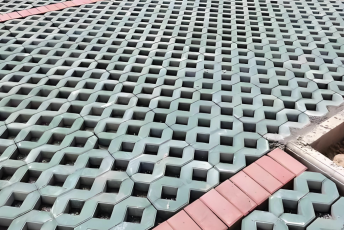
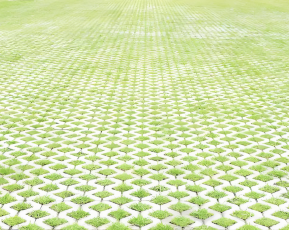
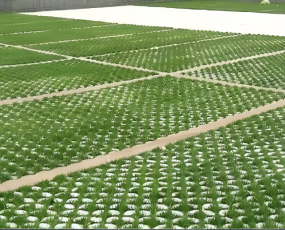
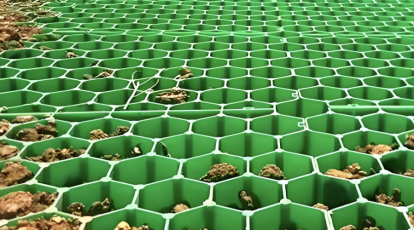
The permeable sponge city turf paver’s core advantage is its exceptional stormwater management capabilities. Its 25% porosity rate and 1.2 mm/s water permeability allow up to 12 liters of water per square meter to infiltrate the soil per minute, significantly reducing stormwater runoff and the risk of urban flooding. The use of recycled construction aggregate reduces the environmental impact of production by diverting waste from landfills, and it complies with national sponge city construction standards. The grid openings allow grass roots to penetrate the soil, creating a green surface that reduces urban heat island effects and improves air quality. Its mortar-free assembly design speeds up installation by 40% compared to traditional pavers, and its acid and alkali resistance ensures long-term durability in polluted urban environments. It solves the common pain point of balancing flood control and green landscaping in urban development projects.
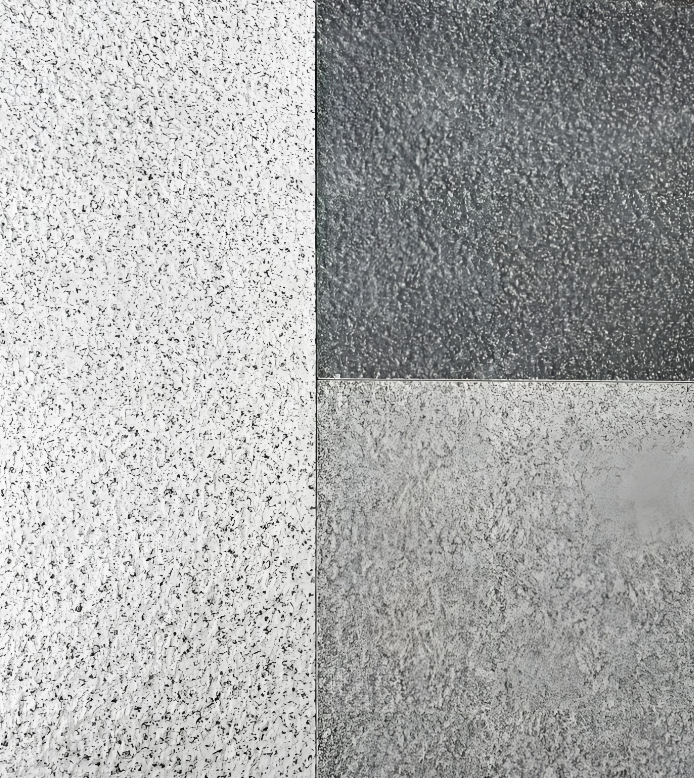
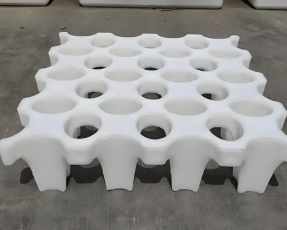
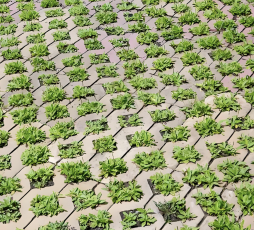
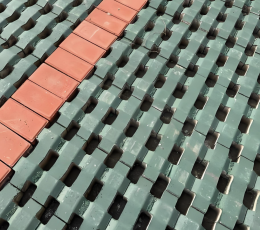
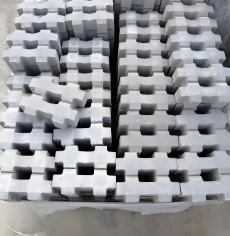
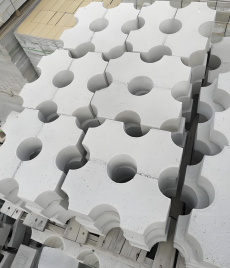
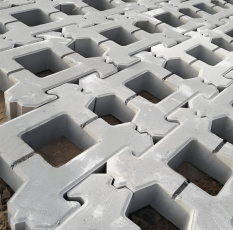
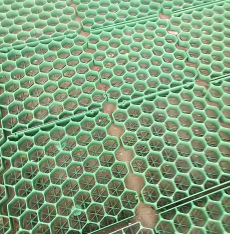
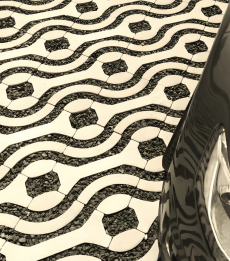
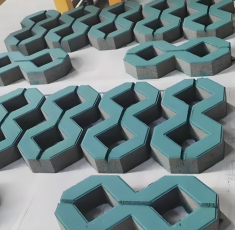
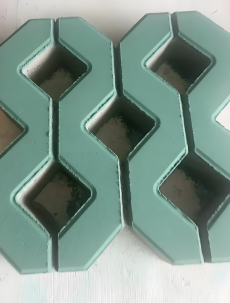
Each unit of permeable sponge city turf paver covers 0.18 square meters (600mm×300mm) with a thickness of 70mm, and the grid openings are sized at 180mm×180mm to accommodate a variety of grass varieties. It has a compressive strength of 15MPa, making it suitable for light pedestrian traffic and low-speed vehicle access. The product has a porosity rate of 25%, with a water retention capacity of 12 liters per square meter, allowing it to slowly release stored water to support grass growth during dry periods. It is available in light gray and green standard colors, with custom color options available for matching specific project themes. Each square meter of paver weighs approximately 65 kilograms, and the mortar-free assembly design requires no specialized tools, reducing installation labor costs. It is certified to meet national sponge city construction standards, ensuring it meets the requirements of sustainable urban development projects.
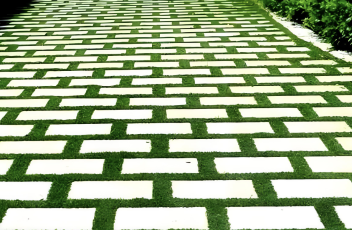
This permeable sponge city turf paver is primarily designed for urban stormwater management and green landscaping projects. Key application scenarios include sponge city construction projects, urban park rain garden edges, residential community stormwater management areas, roadside green belts, and school campus green spaces. It is suitable for light pedestrian traffic and low-speed vehicle access, and it excels at reducing stormwater runoff by up to 90% compared to traditional concrete surfaces. It also improves groundwater recharge, reduces urban heat island effects, and improves air quality by supporting grass growth. It is an ideal material for cities seeking to meet national sponge city construction requirements and achieve sustainable development goals.







 Post RFQ


 Chat
Chat


 ALL CATEGORIES