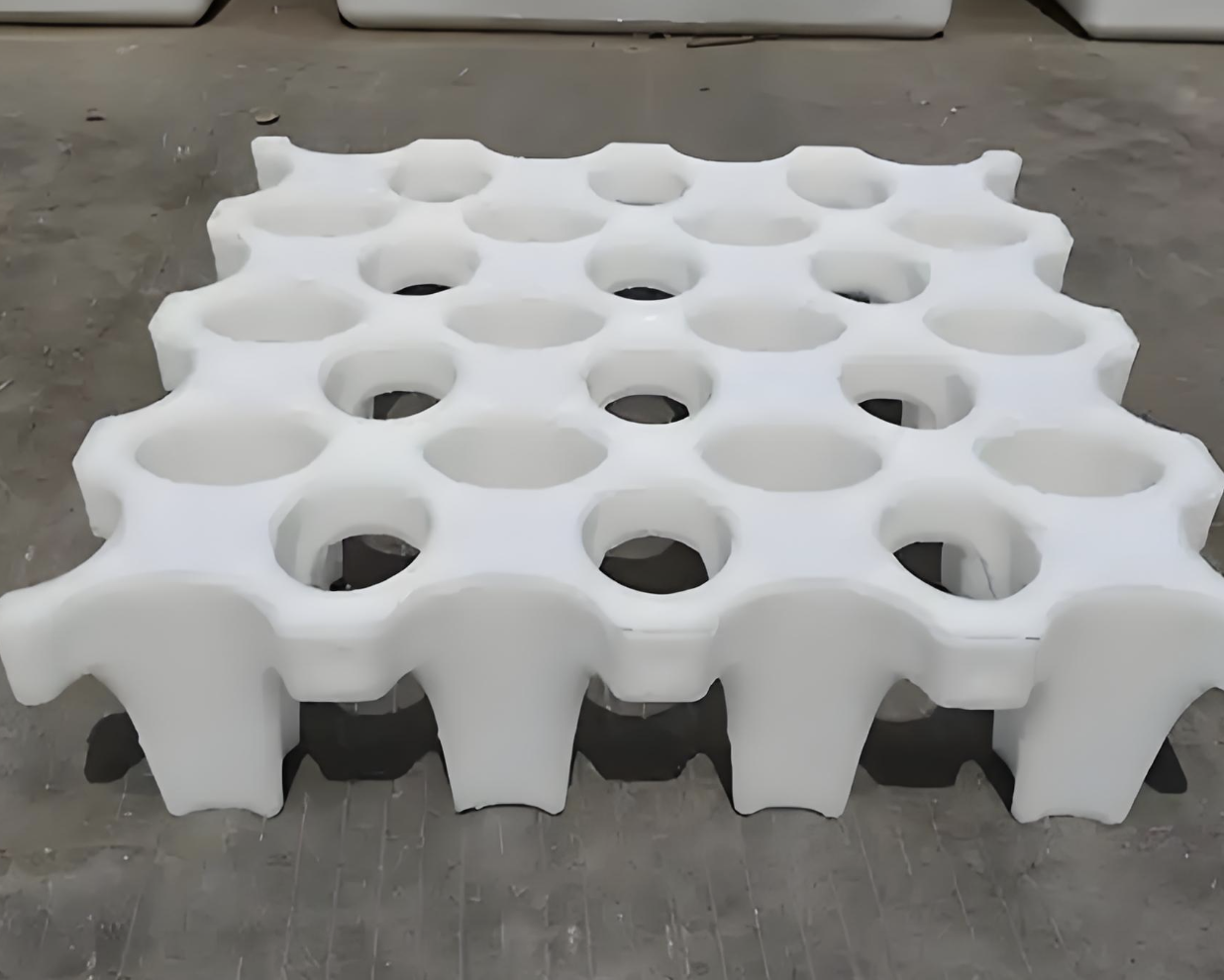
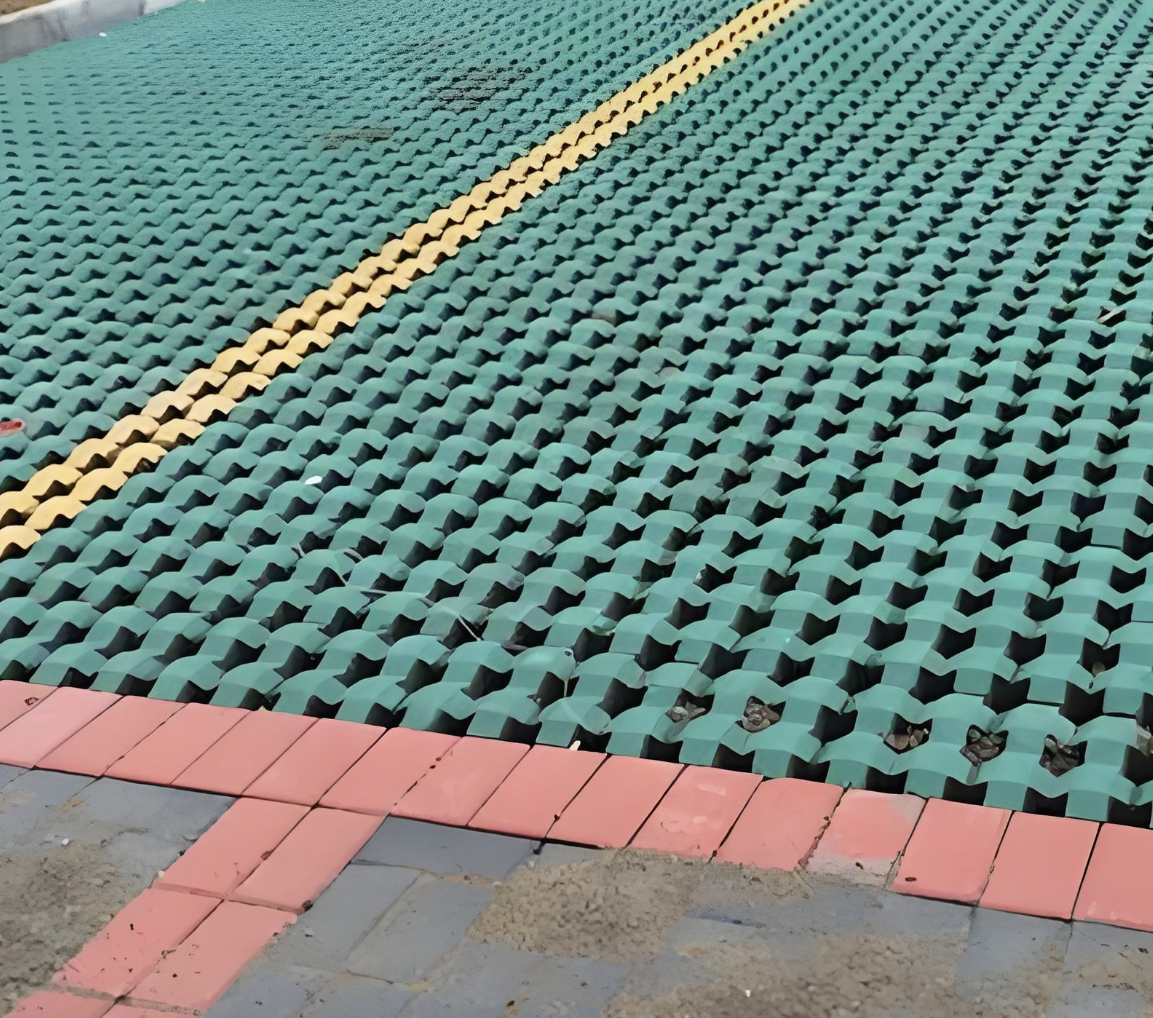





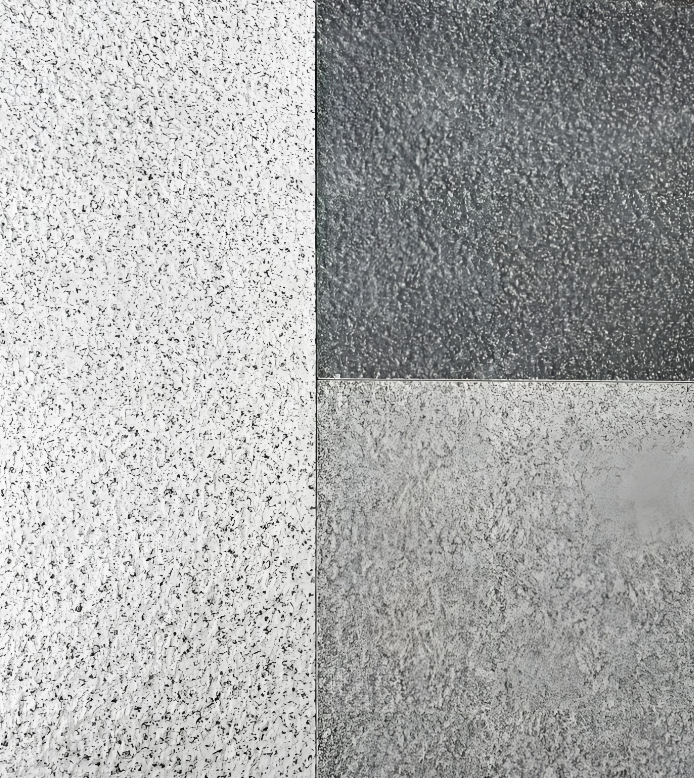
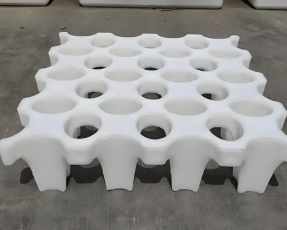
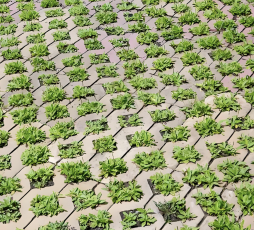
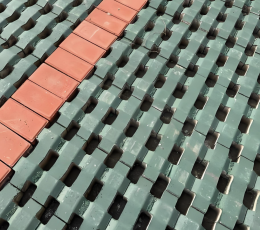
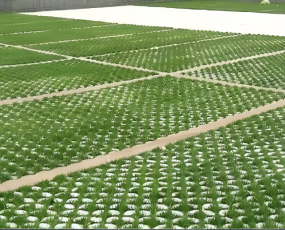
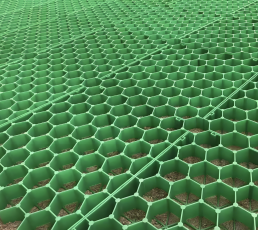
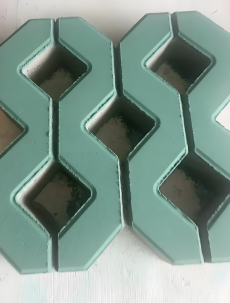
The 99% recycled plastic turf paver stands out for its strong environmental sustainability and low maintenance requirements. Made primarily from post-consumer HDPE plastic, it diverts thousands of tons of plastic waste from landfills each year, and its production process emits 90% less carbon dioxide than concrete turf paver production. Its snap-together interlocking design allows for quick installation without the need for mortar or specialized tools, reducing installation time by 50% compared to concrete pavers. The non-slip textured surface provides good traction for pedestrians and children, making it suitable for playgrounds and patio areas. It is corrosion, rot, and mold-resistant, requiring no sealing or periodic maintenance beyond occasional grass trimming. It addresses the high environmental impact of traditional hardscaping materials, offering a sustainable alternative for eco-conscious project owners.
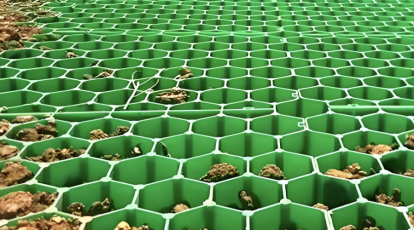
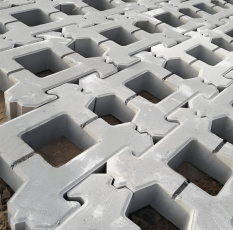
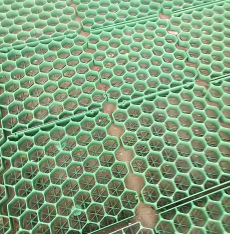
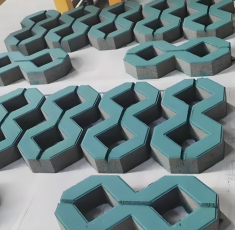
Each recycled plastic turf paver measures 450mm in length, 225mm in width, and 60mm in thickness, with grid openings sized at 160mm×160mm to accommodate most common grass varieties. It has a compressive strength of 20MPa, making it suitable for light pedestrian traffic and patio use, and a water permeability rate of 0.3 mm/s, allowing minor rainwater runoff without pooling on the surface. The paver is available in a full range of custom colors, allowing project owners to match the paver to their landscape design themes. Each paver weighs only 1.2 kilograms, making it easy to handle and install without the need for heavy equipment. It is ASTM D6400 certified, meaning it can be composted or recycled at the end of its 25+ year service life, with zero toxic leaching into the environment. The non-slip textured surface has a skid resistance rating of >0.7, making it safe for use in wet or icy conditions.
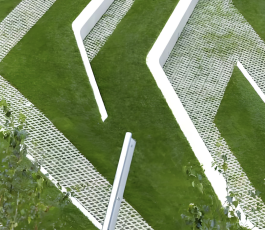
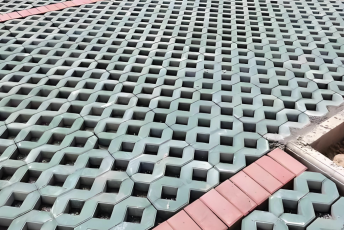
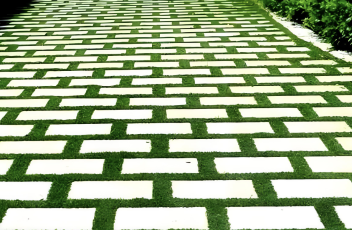
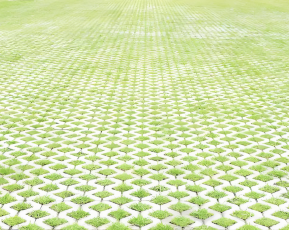
This 99% recycled plastic turf paver is primarily designed for eco-conscious residential and commercial outdoor spaces. Key application scenarios include residential backyard patios, children's playgrounds, community garden paths, eco-friendly commercial office spaces, and hotel courtyard areas. It is not recommended for heavy vehicle traffic, but it performs well at providing a stable, grass-filled surface that supports light foot traffic while reducing environmental impact. It is a suitable alternative to traditional concrete pavers for project owners seeking to achieve LEED or other green building certifications, as it diverts plastic waste from landfills and reduces carbon emissions from production. It also requires minimal maintenance, making it a cost-effective long-term solution for outdoor landscaping projects.







 Post RFQ


 Chat
Chat


 ALL CATEGORIES