
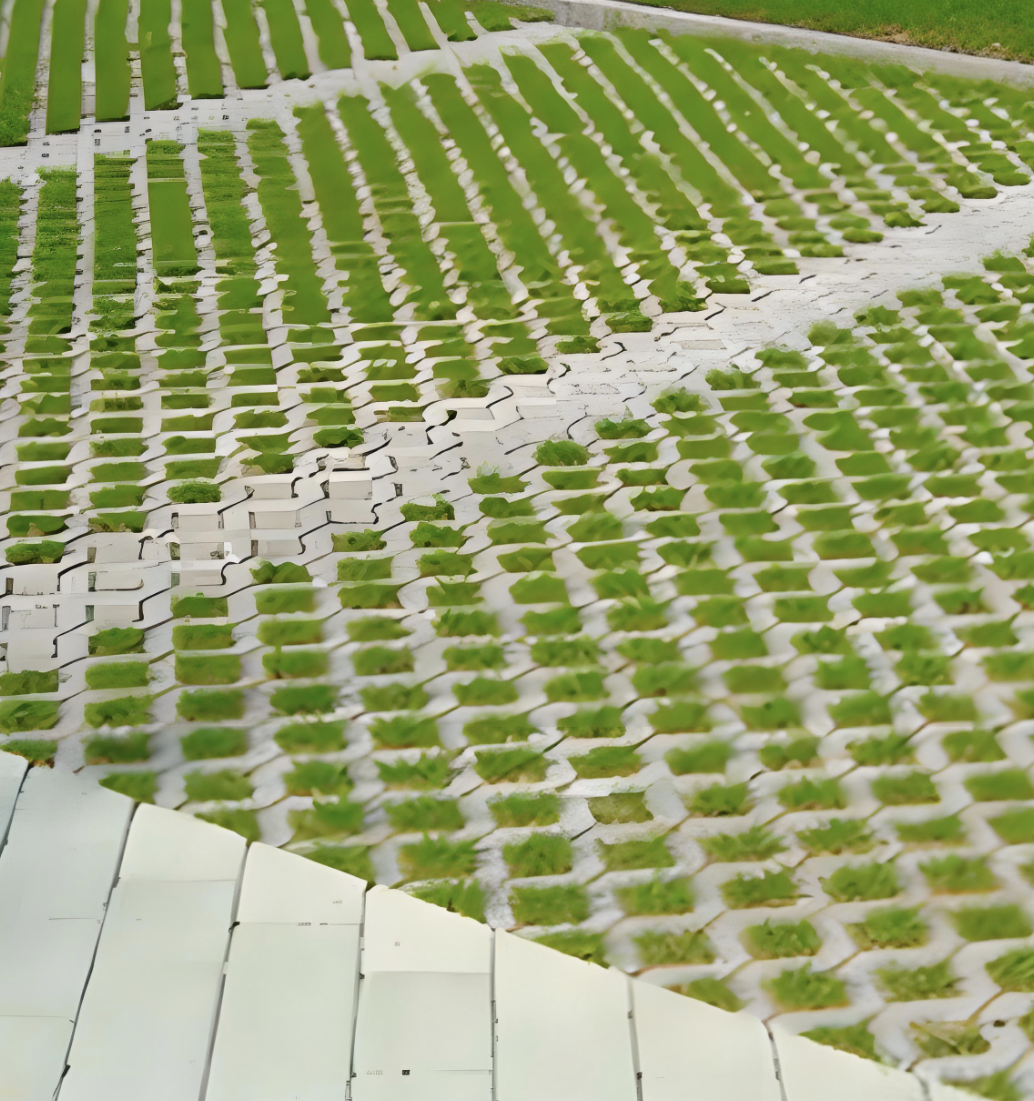





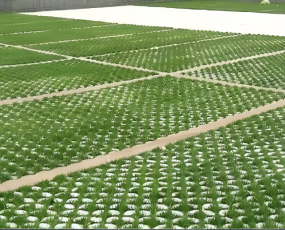
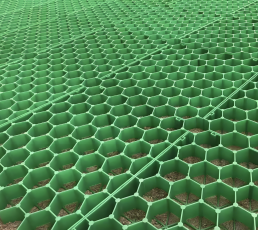
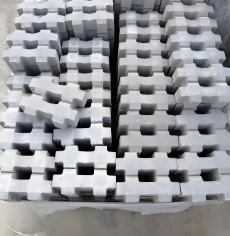
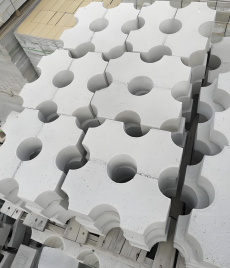
The high-load parking turf paver’s key advantage lies in its exceptional load-bearing capacity and dual functionality. Its fiber-reinforced concrete construction delivers a compressive strength of 35MPa, enabling it to support up to 10 tons of static load per square meter, making it suitable for passenger cars, light delivery trucks, and emergency fire lanes. The interlocking lock joint design ensures stable installation without shifting over time, even with frequent vehicle traffic. Its 0.25 mm/s water permeability rate allows rainwater to penetrate the surface and recharge groundwater, reducing stormwater runoff and the risk of standing water in parking lots. The UV and freeze-thaw stabilized surface resists fading and cracking in extreme weather conditions, and its slip-resistant rating of over 0.8 improves safety for pedestrians and drivers alike. It reduces maintenance costs compared to traditional concrete parking lots, as the grass cover helps reduce surface temperature and prevents tire scuffing on the paver surface.
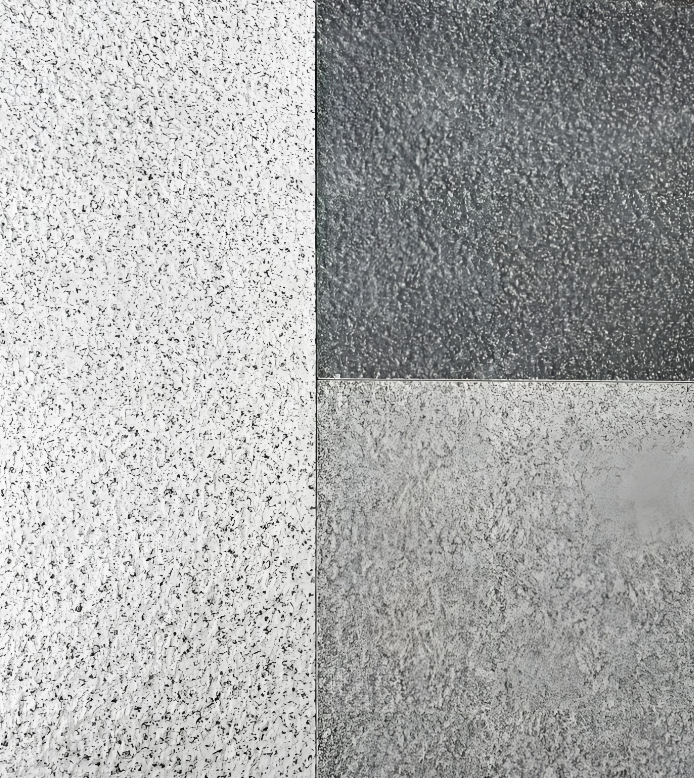
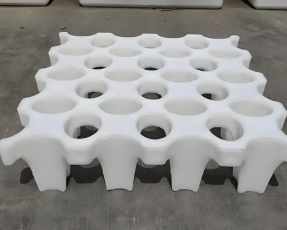
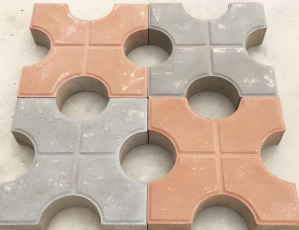
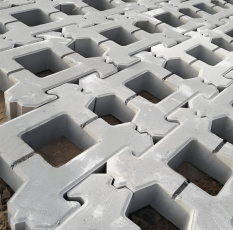
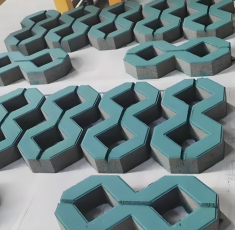
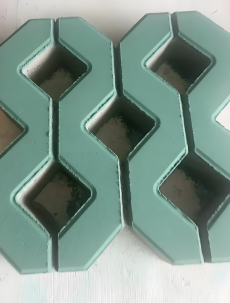
Each high-load turf paver measures 500mm in length, 300mm in width, and 100mm in thickness, with grid openings sized at 200mm×200mm to accommodate warm-season and cool-season grass varieties. It has a compressive strength of 35MPa, meeting the load requirements for light commercial vehicle traffic, and a water absorption rate of less than 5%, minimizing freeze-thaw damage in cold climates. The paver is available in dark gray and gray standard colors, with custom color options available for matching facility branding. Each paver weighs approximately 6.8 kilograms, and the interlocking design reduces installation time by 30% compared to traditional non-interlocking pavers. It is LEED v4.1 certified, making it suitable for green building projects seeking to earn LEED credits for materials innovation and stormwater management.
This high-load turf paver is primarily designed for commercial and municipal vehicle access areas. Key application scenarios include retail center parking lots, office campus parking facilities, municipal fire lanes, warehouse perimeter access roads, and airport short-term parking zones. It is not recommended for heavy-duty semi-truck traffic, but it excels at balancing vehicle functionality and green landscaping, reducing the urban heat island effect of traditional parking lots by up to 20% compared to fully concrete surfaces. It also improves stormwater management by allowing up to 80% of rainfall to penetrate the surface, reducing strain on municipal stormwater systems.












 Post RFQ


 Chat
Chat



 ALL CATEGORIES