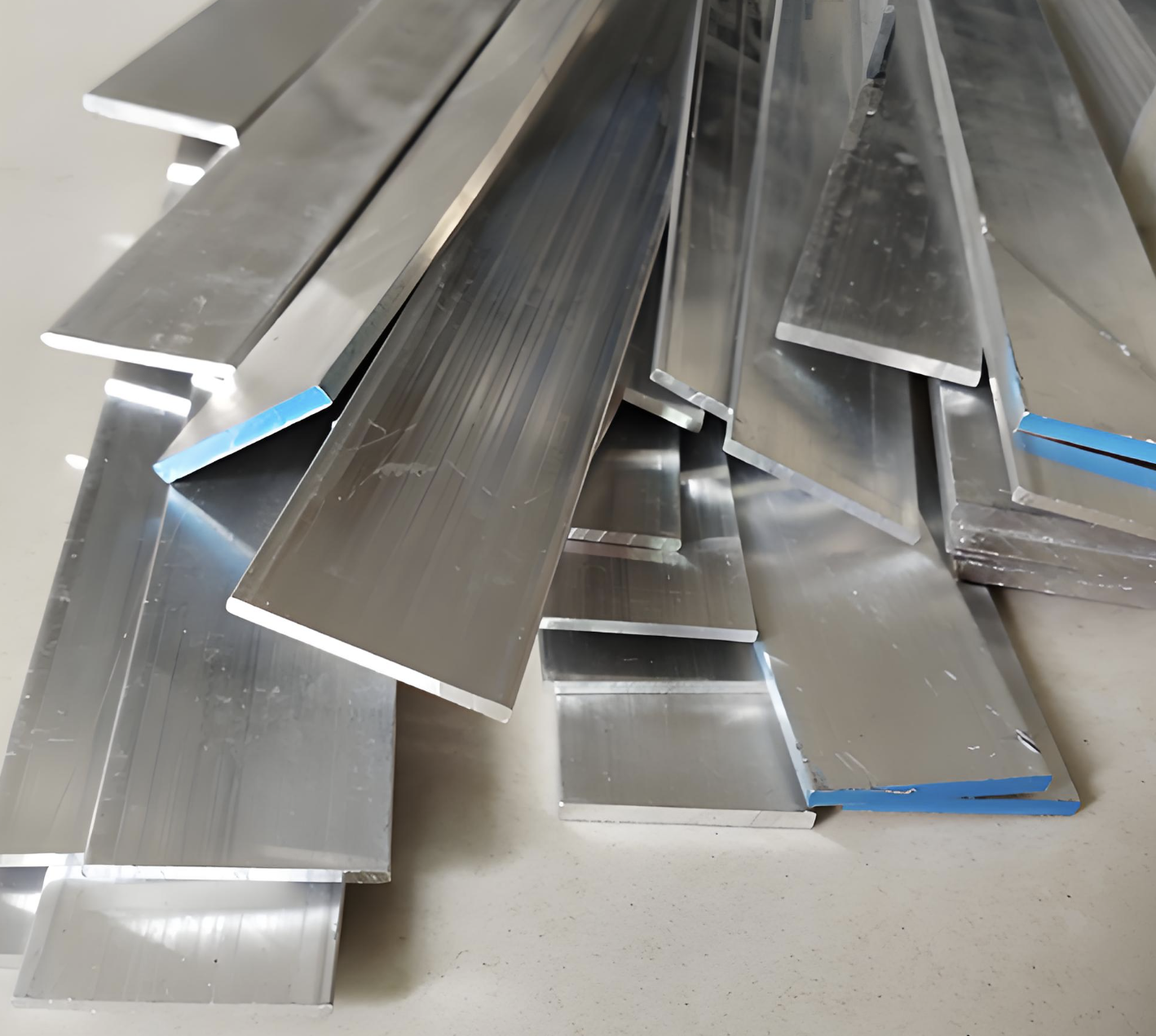
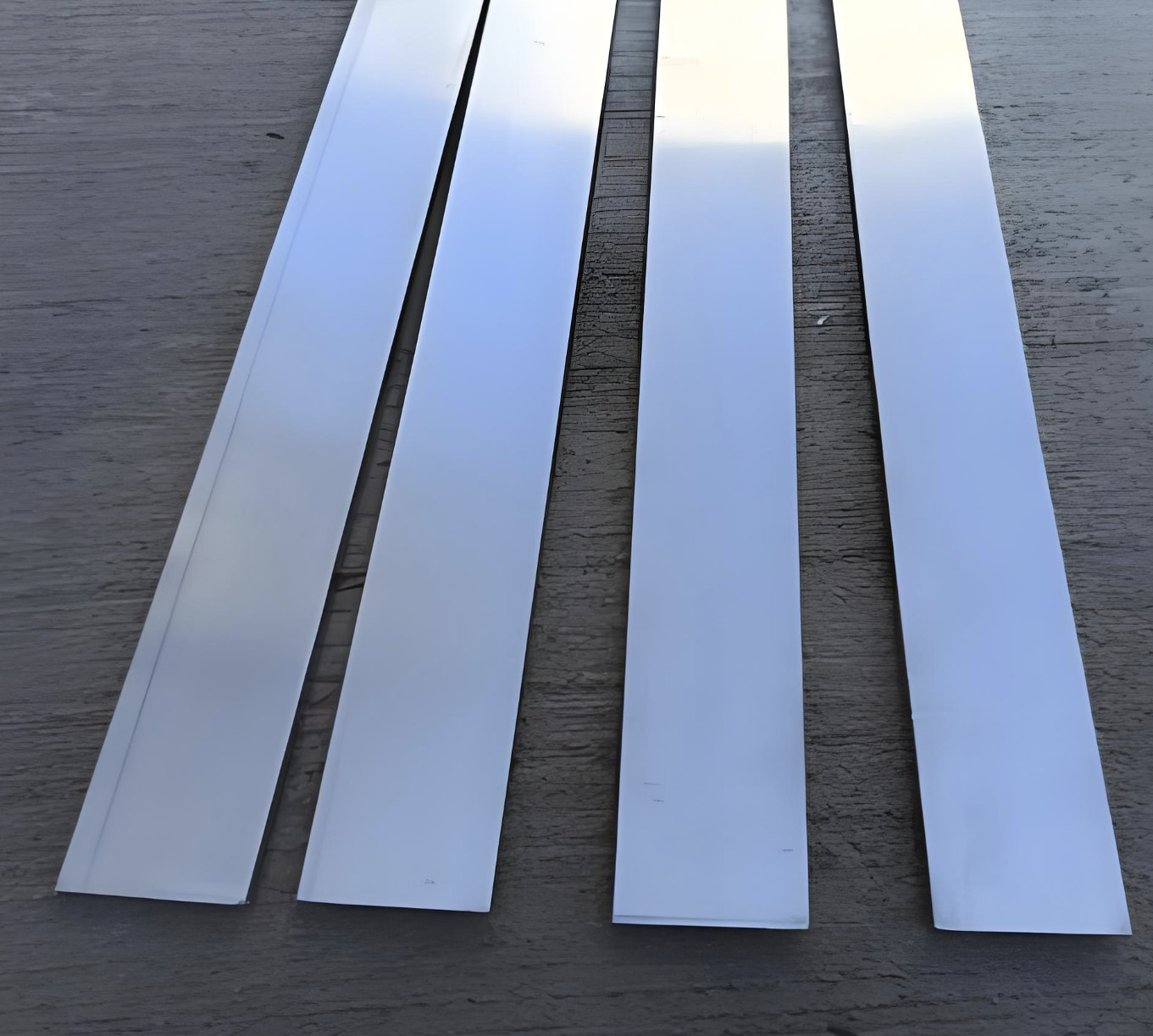






The core advantage lies in its excellent low-temperature resistance. After strict low-temperature impact testing, its impact toughness is still ≥40J at -196℃, greatly reducing the risk of brittle fracture associated with traditional steel in low-temperature environments. The 5083 aluminum alloy offers good weldability and corrosion resistance, allowing for easy welding and lowering the likelihood of stress cracking in low-temperature environments. It effectively addresses the pain point of difficult material selection for conduction and structure in low-temperature scenarios. The bright pickled surface helps minimize oxidation and discoloration in low-temperature environments, and its lightweight design reduces the overall load of equipment, improving energy efficiency.
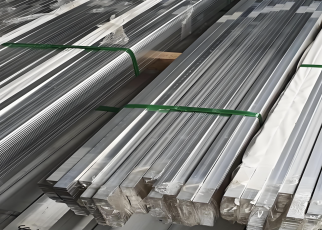
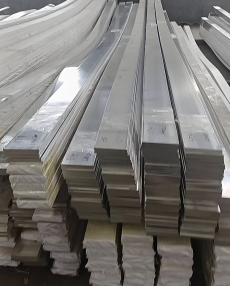
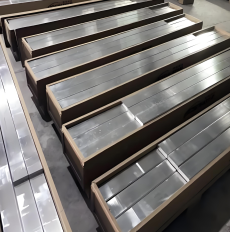
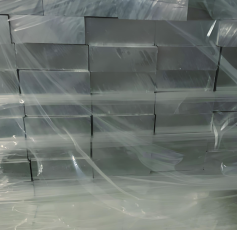
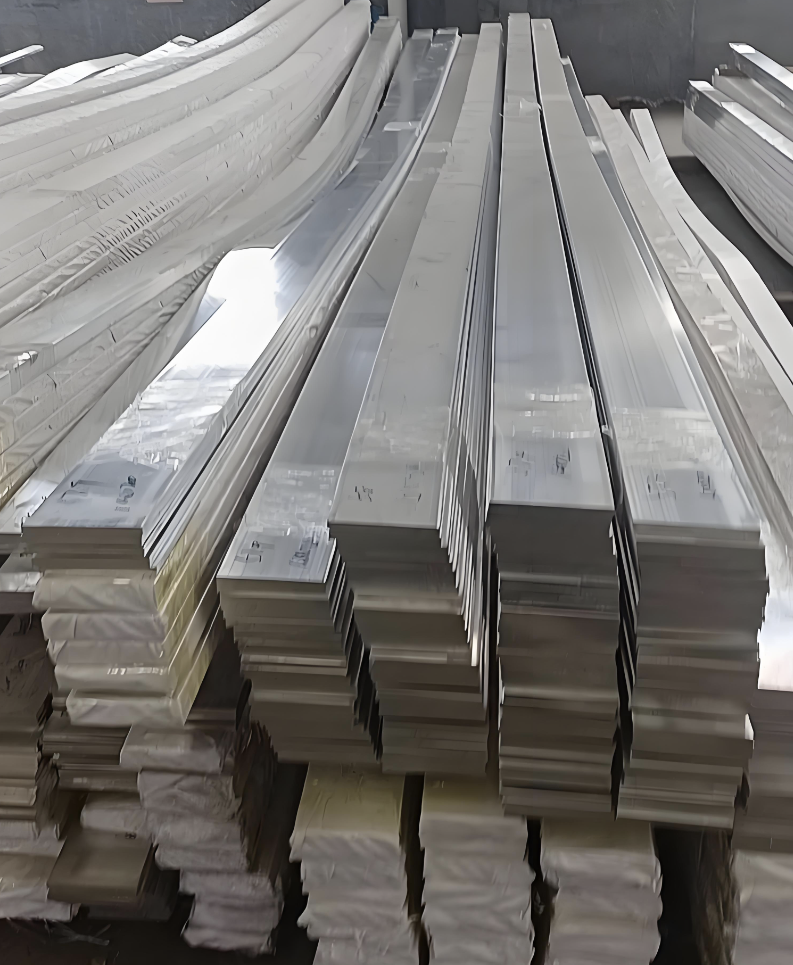
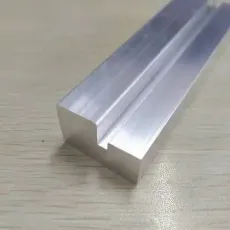
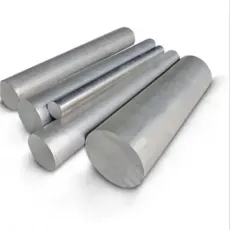
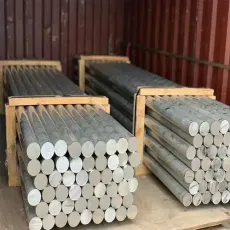
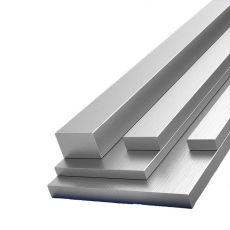
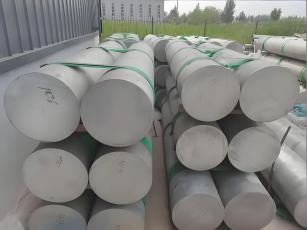
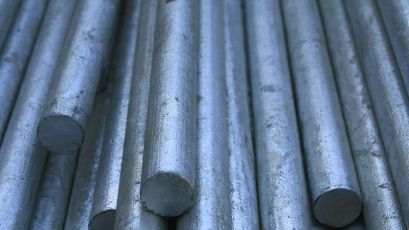
The base material is 5083 aluminum alloy, with a thickness range of 3.0mm to 30mm and a width range of 25mm to 300mm. The standard length is 6 meters per piece, and custom lengths are available. The tensile strength is ≥275MPa, the elongation is ≥12%, and the low-temperature impact toughness is ≥40J@-196℃. The salt spray resistance is ≥400 hours. There is no oxide scale or stains on the bright pickled surface. The packaging is sealed with moisture-proof wooden boxes to prevent rust and damage during transportation. The weight of a single box does not exceed 1000kg, complying with the standard requirements for low-temperature equipment transportation.
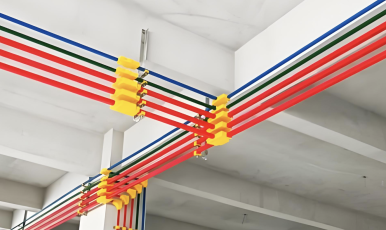
It is mainly used in conductive components of LNG storage tanks and transmission pipelines, shelf and support structures of cold chain transportation vehicles, equipment brackets of low-temperature laboratories, conductive bars of superconducting magnets and other scenarios. It can also be used for structural accessories of deep-sea exploration equipment, meeting the low-temperature application requirements of multiple industries such as LNG new energy, cold chain logistics and low-temperature scientific research.







 Post RFQ


 Chat
Chat


 ALL CATEGORIES