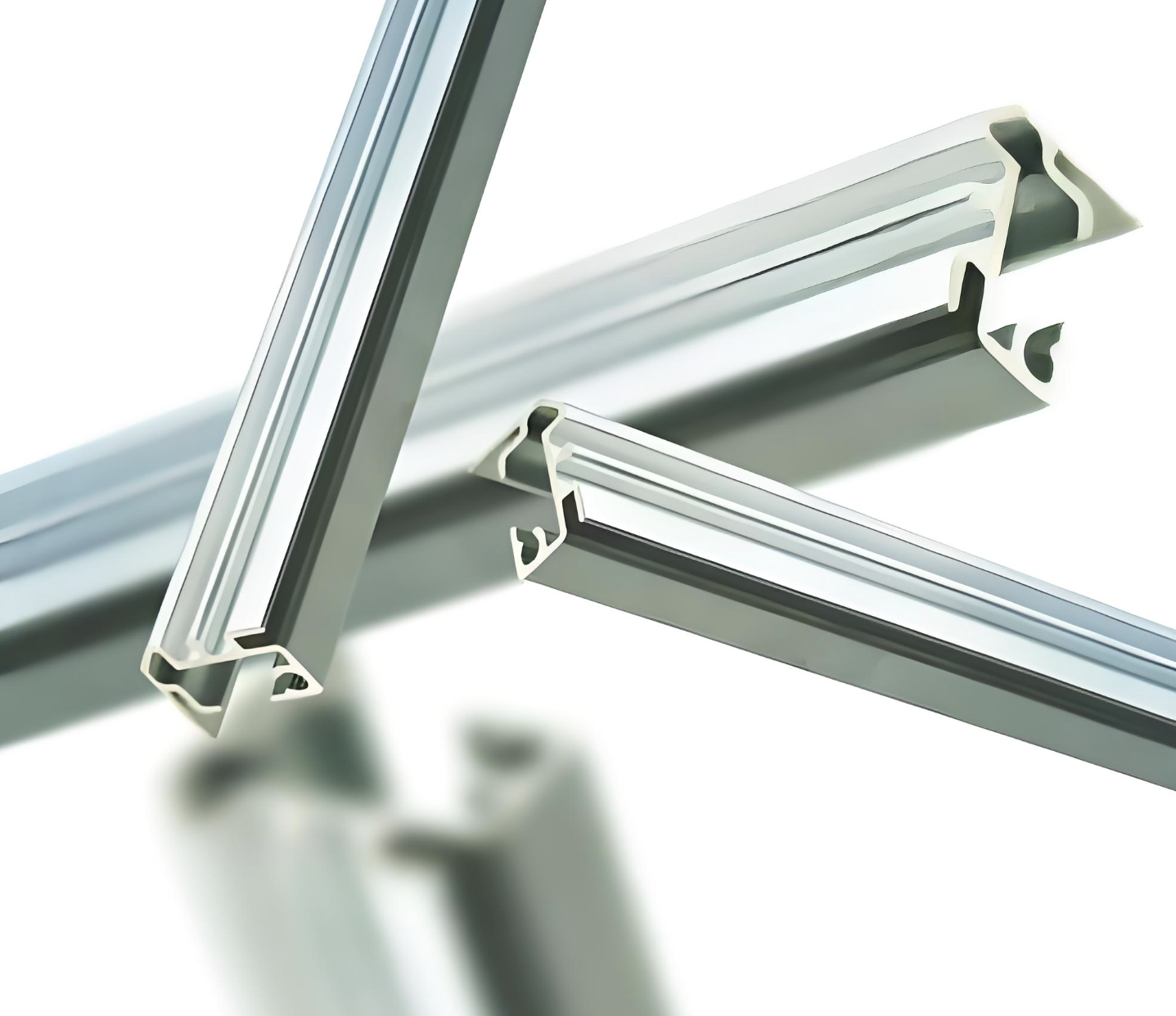
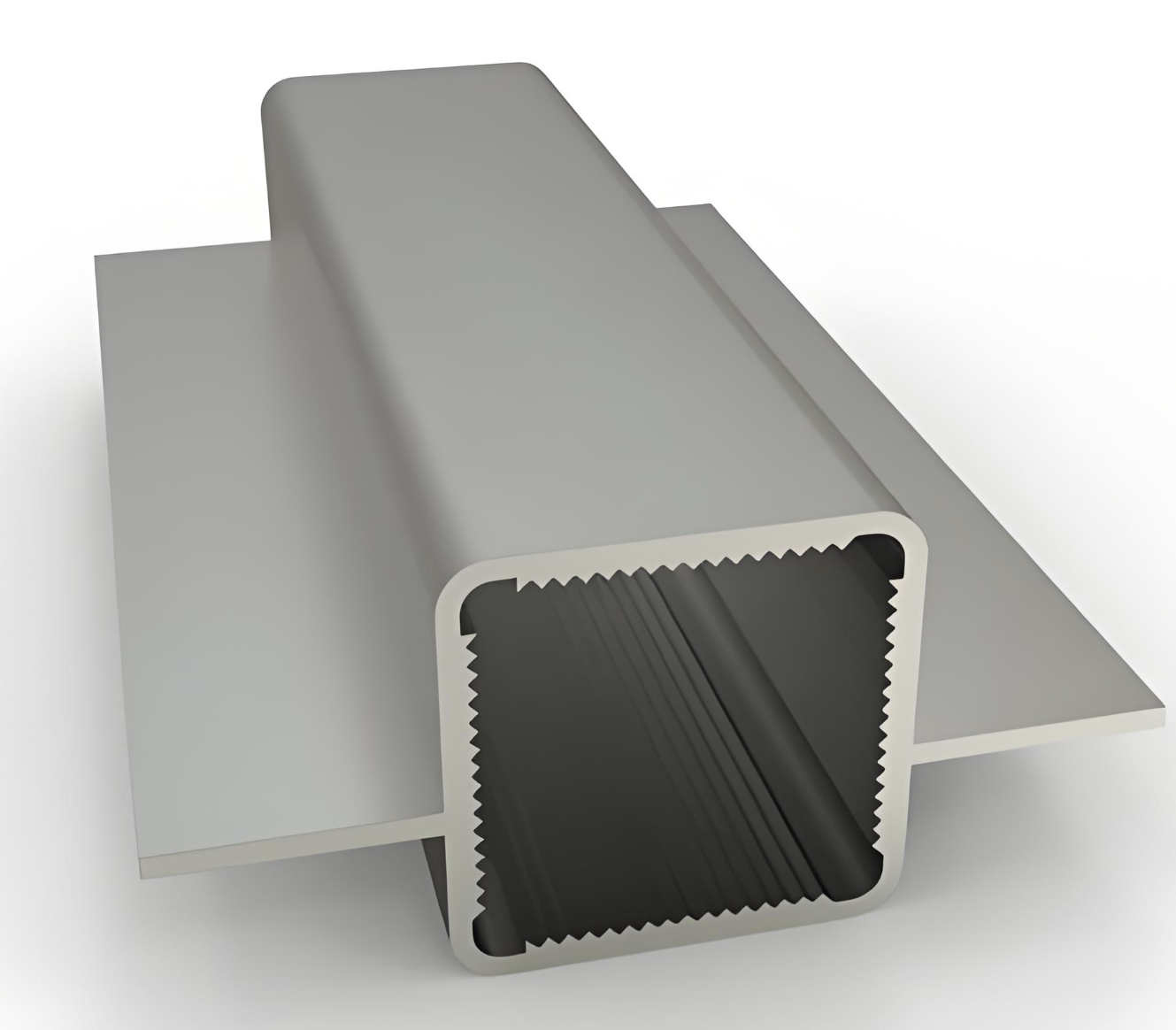





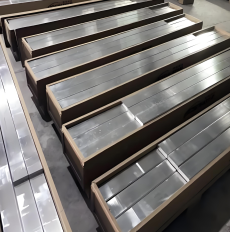

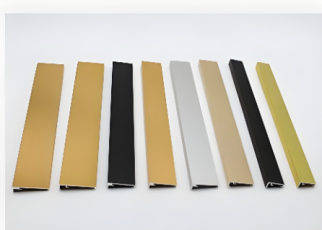

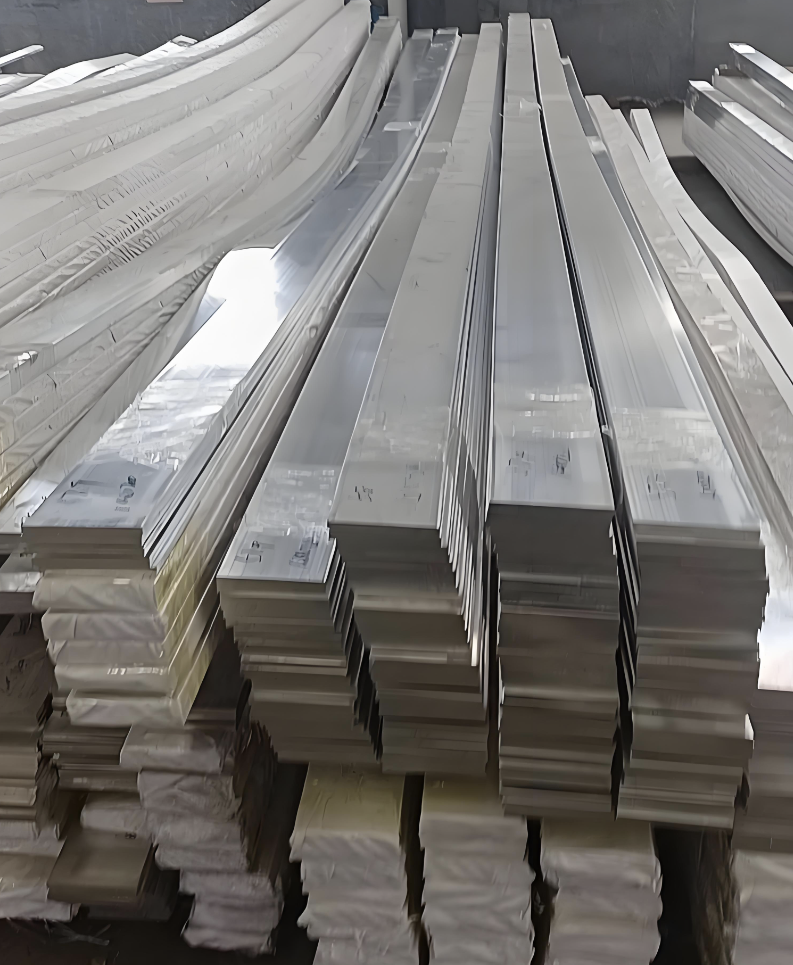
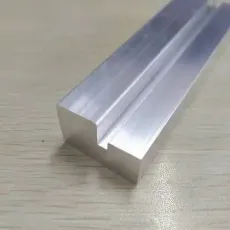
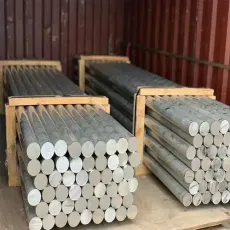
Optimized for refrigeration heat exchange scenarios, this product uses 6063 aluminum alloy with a thermal conductivity of up to 205W/(m·K), which improves heat exchange efficiency by more than 12% compared with ordinary aluminum bars. It adopts cold extrusion forming process with section accuracy up to ±0.1mm, and can be customized into U-shaped, L-shaped and other special-shaped sections to adapt to different heat exchanger installation needs. The surface is anodized, with good corrosion resistance, and can directly contact food-grade refrigerants, meeting FDA certification requirements. It solves the industry pain points of ordinary aluminum bars being easily corroded by refrigerants and reduced thermal conductivity, extending equipment service life by about 30%.
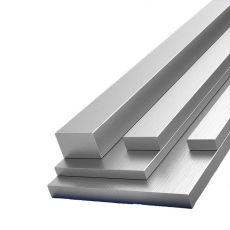
The thickness ranges from 3mm to 15mm, the width ranges from 15mm to 150mm, the standard length is 6000mm, and can be custom made up to 12000mm. The cross section can be customized into rectangular, grooved special shapes. The tensile strength is ≥180MPa, the yield strength is ≥130MPa, the elongation is ≥12%, the thermal conductivity is ≥205W/(m·K), and the surface anodized film thickness is 10~20μm. It meets ASTM B221-2021 standard, passes FDA food contact safety certification, and can be processed with punching and bending according to customer needs.
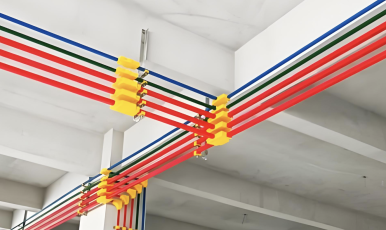
It is mainly used in heat exchanger systems of commercial freezers and household central air conditioners, heat transfer support structures of industrial refrigeration units, refrigerant pipeline connectors of cold chain transportation vehicles, and can also be used as LED heat sinks and thermal supports for electronic equipment. It adapts to heat transfer scenarios in ultra-low temperature environments, with a working temperature range of -50℃~180℃, and is widely used in the cold chain and HVAC industry.







 Post RFQ


 Chat
Chat


 ALL CATEGORIES