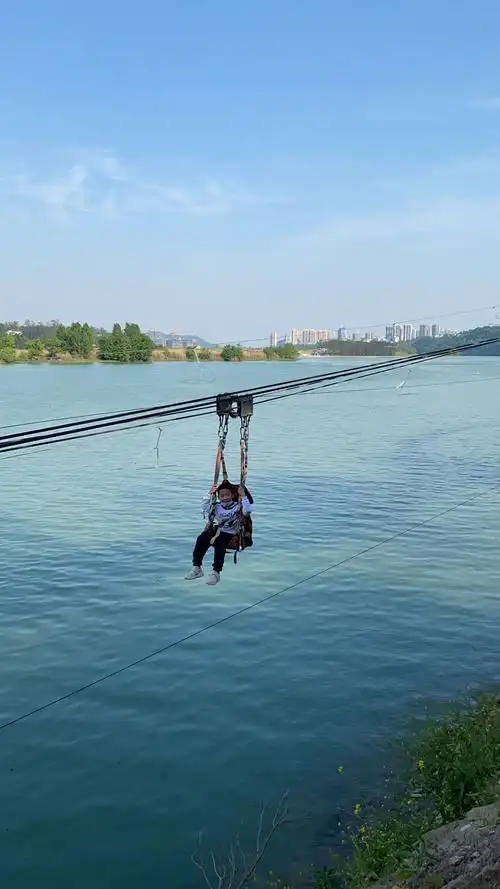


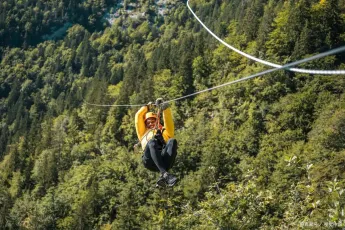
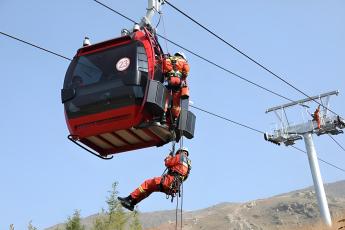
The core feature of this product is the dual-use design for passengers and cargo, which can meet the needs of both villager commuting and small cargo transportation. The high-strength weather-resistant steel cable has excellent corrosion resistance and can adapt to humid riverbank environments, extending the service life of the track. The hydraulic + spring buffering system provides smooth deceleration, ensuring the safety of passengers and the integrity of cargo. The automatic rescue vehicle can quickly reach the stuck trolley position, and the emergency communication system allows passengers to call for help in real time, solving the rescue difficulty problem in remote areas. Compared with traditional transit methods, it has lower operating costs and higher efficiency, solving the pain point of high transportation costs in remote areas. Its modular installation design also reduces the difficulty and cost of site renovation.
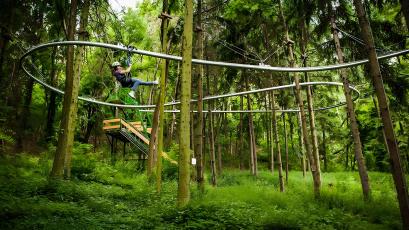
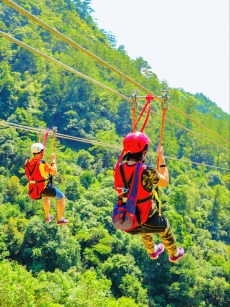
The track uses a 14mm diameter weather-resistant steel cable with a safety factor of 12 times, capable of withstanding a maximum tension of 15 tons. The sliding trolley adopts a heavy-duty aluminum alloy frame and wear-resistant rubber pulleys, with a load-bearing capacity of up to 150kg for passengers or 100kg for cargo. The maximum terrain elevation difference for a single track segment is 30m, creating a gentle sliding trajectory suitable for both passengers and cargo. The passenger safety belt uses a three-point fixed design, and the cargo hanging basket is equipped with a fixed strap to prevent cargo from falling during sliding. The installation period is 20-25 days, with a maintenance cycle of 25 days, including cable corrosion inspection, pulley wear testing, and hydraulic buffering system maintenance. The zipline can operate stably within a temperature range of -20℃ to 50℃ and has a wind resistance level of Grade 9, adapting to complex riverbank weather conditions. It supports single-person sliding or single-basket cargo transportation, with a daily operating capacity of up to 500 passengers or 200 tons of cargo.
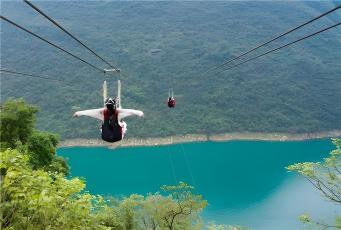
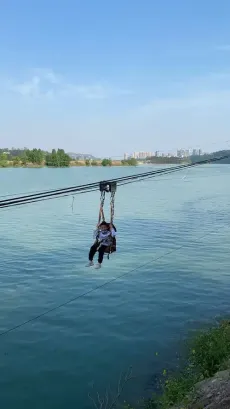
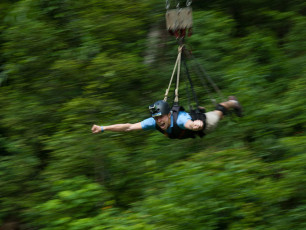
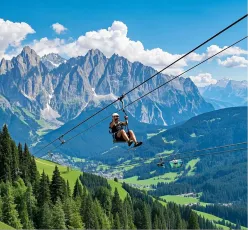
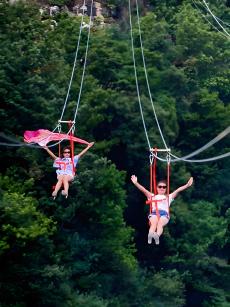
The River-Crossing Commuter Zipline is mainly applied in remote mountain villages, river banks, and ecological reserves with inconvenient transportation, such as mountainous areas in Guizhou and the banks of the Nujiang River in Yunnan. For villagers, it is a convenient commuting tool to go to town for work, shopping, and medical treatment, reducing commuting time from several hours to several minutes. For local businesses, it is an efficient cargo transportation method to transport agricultural products, daily necessities, and other small cargo across rivers, reducing transportation costs. For ecological reserves, it is an eco-friendly transit facility that avoids environmental damage caused by road construction, protecting the ecological environment. In addition, it can be used as an internal transit facility in scenic spots, connecting the scenic spot entrance and the mountain top, reducing carbon emissions from sightseeing cars. Its multi-functional design makes it an essential facility for remote areas and ecological reserves.








 Post RFQ


 Chat
Chat


 ALL CATEGORIES