Basic Info
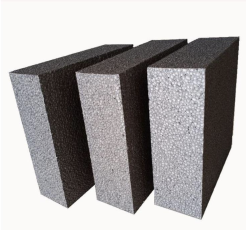
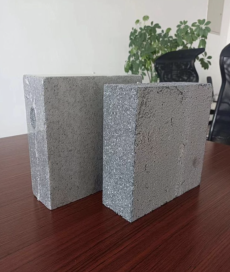
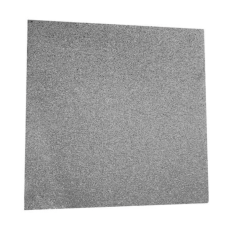
This high-strength graphite composite insulation board is engineered for high-temperature industrial applications including kilns, furnaces, and incinerators, providing reliable thermal insulation for extreme heat environments up to 1200°C. The combination of ceramic fiber and expanded graphite creates a lightweight yet strong insulation core that can withstand repeated thermal cycling without cracking or degrading. The alumina binder provides enhanced chemical resistance, preventing corrosion from industrial fumes and gases commonly found in manufacturing facilities. It is designed to reduce heat loss from industrial equipment, improving energy efficiency and reducing operational costs for manufacturing plants.
Customer reviews

Michael · Construction Project Manager
As a project manager overseeing large-scale industrial facilities, the high-strength graphite composite insulation board has been a game-changer. Its exceptional thermal resistance and durability have significantly reduced our energy costs while maintaining structural integrity. The installation process was seamless, and the material's lightweight nature didn't compromise its performance. Highly recommend for any high-temperature industrial applications.
David · Mechanical Engineer
Working on furnace lining designs, we've tested numerous insulation materials. This high-strength graphite composite stands out for its remarkable thermal conductivity and compression resistance. The 50mm thick panels provide equivalent insulation to 100mm of conventional materials, saving valuable space in our designs. After 18 months of continuous operation at 800°C, there's no visible degradation - truly impressive material science.
Product Description
Product features:
Unlike standard low-temperature insulation boards, this product is designed to maintain its structural integrity and thermal performance at temperatures up to 1200°C, making it suitable for a wide range of high-temperature industrial processes. The high compression strength of 0.5 MPa ensures it can withstand the weight of heavy equipment and thermal cycling without deformation. The excellent thermal shock resistance allows it to withstand rapid temperature changes without cracking, a critical feature for batch processing kilns that go through frequent heating and cooling cycles. The low thermal conductivity at high temperatures reduces heat transfer through the kiln walls, cutting fuel costs for industrial heating processes by up to 35%.
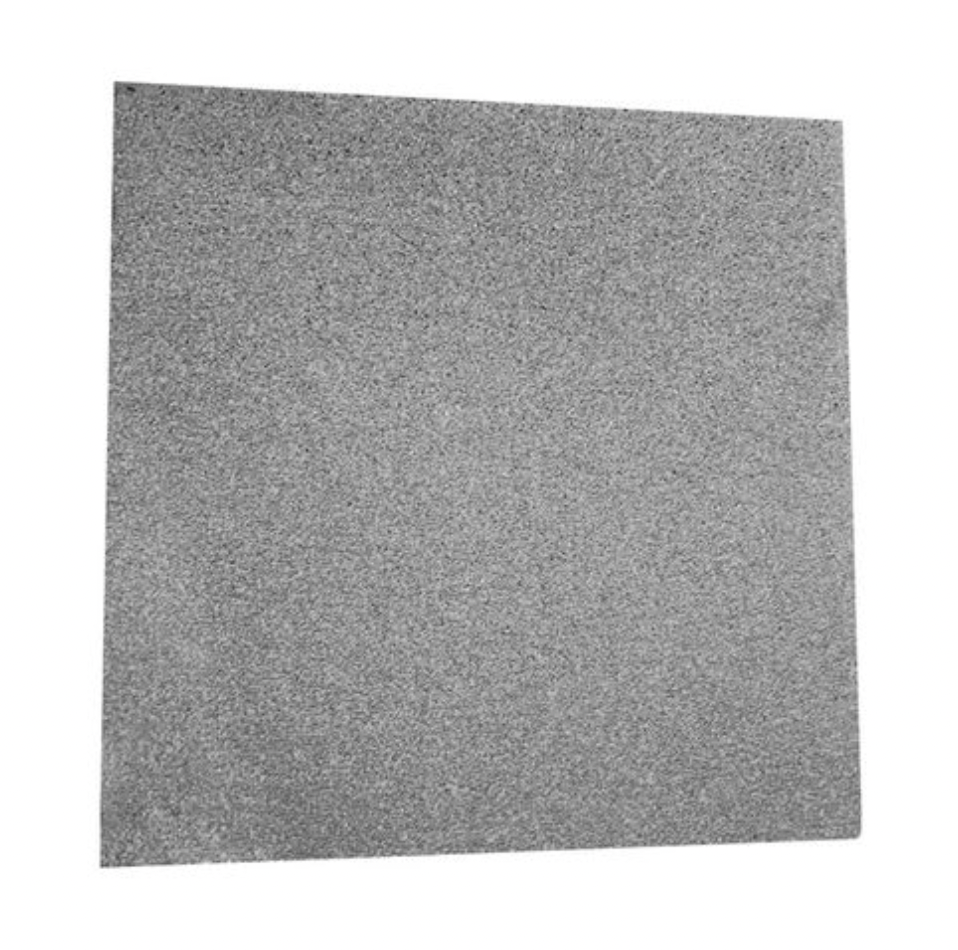
Product specifications:
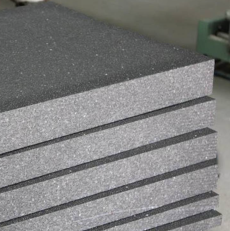
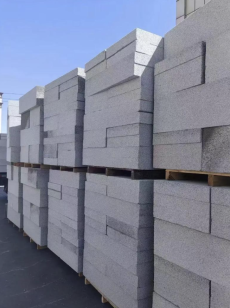
The standard panel dimensions are 900mm x 1800mm, with thickness options ranging from 80mm to 300mm to match different industrial insulation requirements. It has a bulk density of 220 kg/m³, with a thermal conductivity of 0.045 W/(m·K) when tested at 1000°C. It can withstand continuous exposure to temperatures up to 1200°C, with no significant loss of insulation performance after 1000 thermal cycling tests. The surface is coated with a high-temperature refractory coating to prevent dust buildup and improve chemical resistance, and it can be cut using a diamond-tipped saw to fit complex kiln wall layouts.
Product application:
This insulation board is primarily used in ceramic kilns, steel manufacturing furnaces, waste incinerators, and industrial drying equipment. It is also suitable for thermal insulation of chimneys and exhaust ducts, reducing heat loss and improving indoor air quality in manufacturing facilities. It complies with ISO 50001 energy management standards and ASTM C159 standard for high-temperature insulation materials, making it eligible for use in most global industrial construction markets.
Frequently Asked Questions (FAQ)
Q:What are the main advantages of high-strength graphite composite insulation boards?
A:High-strength graphite composite insulation boards offer superior thermal insulation (thermal conductivity 0.022-0.035W/m·K), fire resistance (Class A1 non-combustible), and compressive strength (≥250kPa), making them ideal for energy-efficient buildings and industrial applications.
Q:What thickness options are available for high-strength graphite insulation boards?
A:Standard thicknesses range from 20mm to 120mm, with 30mm/50mm/80mm being most common for wall/roof insulation. Custom thicknesses can be produced for specific project requirements.













 Post RFQ


 Chat
Chat


 ALL CATEGORIES