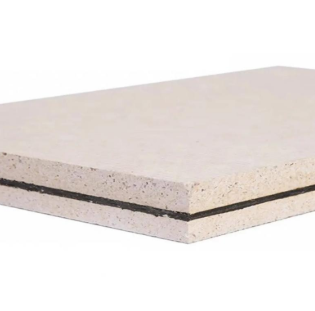
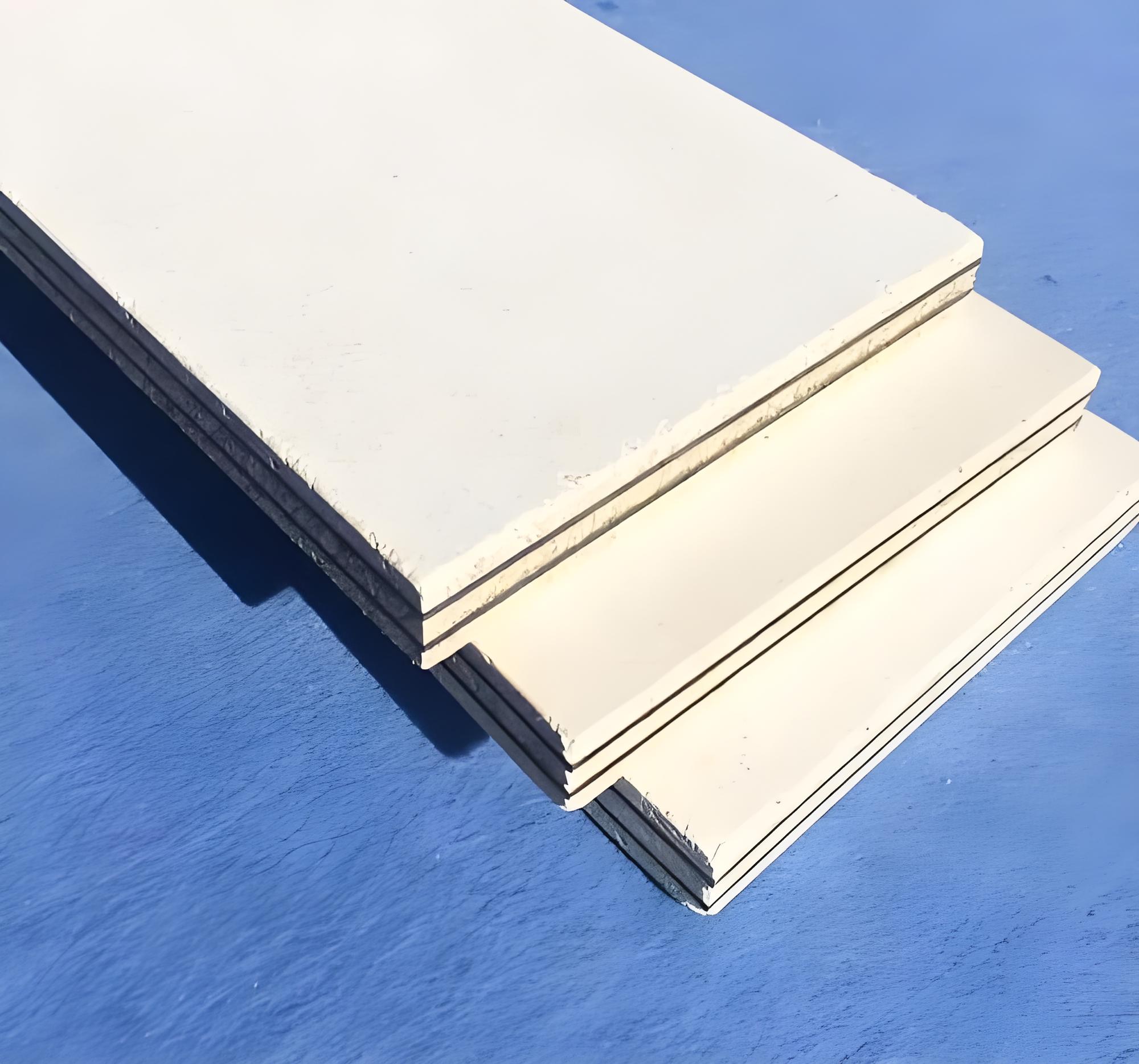


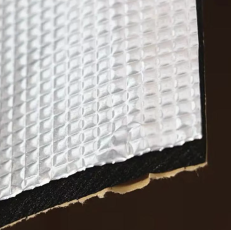
It uses glass wool as the core material, with a flame retardant non-woven fabric on the outer layer, passing the EU EN 45545-2 HL3 flame retardant certification, and will not release toxic smoke when burning, complying with the fire safety requirements of train carriages. At the same time, it has excellent sound insulation and noise reduction performance, with a sound insulation coefficient of 0.52, which can effectively reduce the noise generated during train operation and improve the passenger experience. Compared with ordinary sound insulation boards, it has excellent high and low temperature resistance, adapting to the extreme temperature changes of rail transit scenarios, and has water and moisture resistance, adapting to the climate environment of different regions.
The standard size is 1200mm×2400mm, with thickness options of 20mm, 25mm and 30mm. The density of the glass wool core material is 600-650kg/m³, and the sound insulation coefficient is 0.52, which can effectively isolate high-frequency noise above 1000Hz and low-frequency noise below 200Hz. The flame retardant adopts an inorganic mineral formula, which will not decompose and produce toxic substances at high temperatures, complying with the safety standards of the EU and domestic rail transit industry. The surface flame retardant non-woven fabric is anti-static treated, which can prevent dust adsorption, facilitate cleaning and maintenance, and has excellent aging resistance, with a service life of more than 20 years.
It is mainly used for the inner wall, top ceiling and car door sound insulation pads of high-speed rail, subway and intercity trains, the sound insulation protective wall panels of rail transit tunnels, and the protective wall panels of rail transit platforms. It is especially suitable for the high-standard safety requirements of the rail transit industry, which can effectively slow down the spread of fire in case of fire, while reducing the noise generated during train operation, improving the passenger's riding comfort, and complying with the fire safety and environmental protection requirements of the EU and domestic rail transit industry.








 Post RFQ


 Chat
Chat


 ALL CATEGORIES