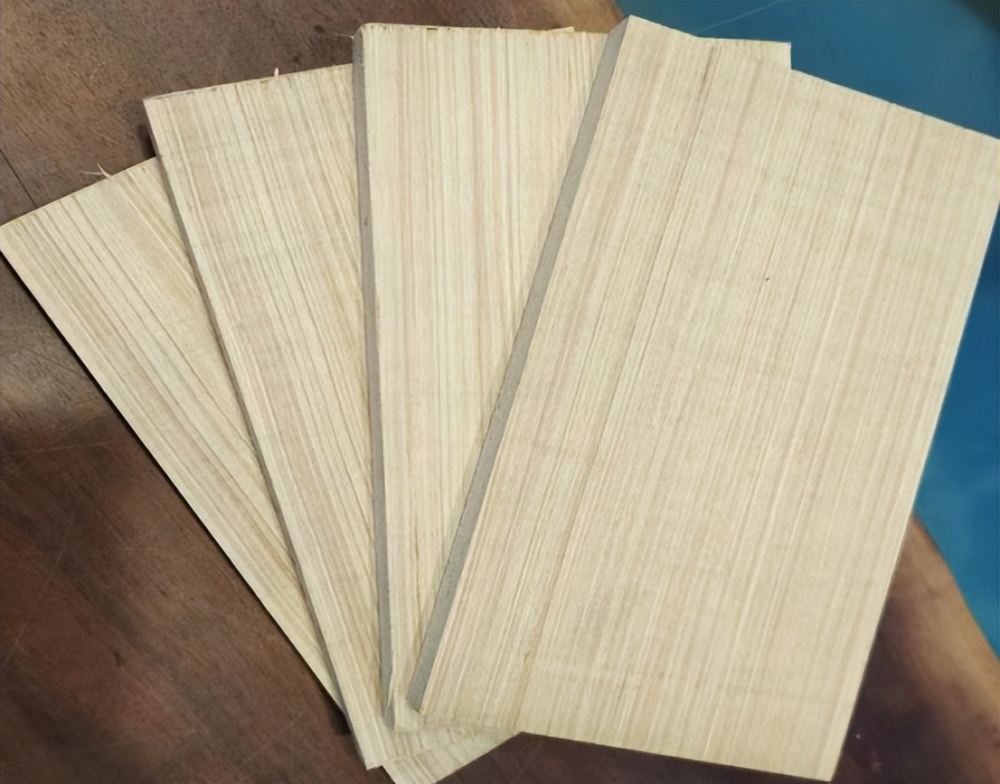


It uses calcium silicate board as the base material, with a food-grade polypropylene coating and stainless steel sheet on the outer layer, passing the FDA food contact safety certification, and will not release harmful substances to pollute food. At the same time, it reaches the national standard GB 8624-2012 Class A flame retardant standard, and will not burn or release toxic smoke in high-temperature environments, complying with the fire safety requirements of food processing workshops. The surface food-grade coating has the properties of oil-proof, easy to clean, antibacterial and bacteriostatic, with a bacterial killing rate of ≥99.9%, effectively preventing bacterial growth, and meeting the hygiene control standards of the food industry. Compared with ordinary food-grade boards, it has stronger impact and corrosion resistance, which can withstand daily cleaning and heavy equipment collisions, greatly improving the service life.
The standard size is 1220mm×2440mm, with thickness options of 15mm and 20mm. The thickness of the calcium silicate base material is 12mm, the thickness of the outer stainless steel sheet is 0.5mm, and the thickness of the food-grade polypropylene coating is 0.2mm. The density is controlled at 900-950kg/m³, the bending strength is ≥22MPa, and the impact resistance is excellent. The board is formed through high-temperature and high-pressure molding process to ensure that each layer is firmly bonded and will not delaminate and degum. The surface flatness error is ≤0.05mm, adapting to the hygiene cleaning requirements of food workshops.
It is mainly used for kitchen walls of catering chain stores, processing operation table backplanes of central kitchens, workshop wall panels of food processing factories, cold storage walls of fresh food distribution centers and protective panels of hospital canteens. It is especially suitable for food processing scenarios with extremely high requirements for hygiene and fire safety, which can effectively prevent the spread of fire in case of fire, while keeping the surface clean and hygienic, and will not pollute food, complying with the GMP production standards of the food industry and improving the safety compliance level of food processing enterprises.











 Post RFQ


 Chat
Chat



 ALL CATEGORIES