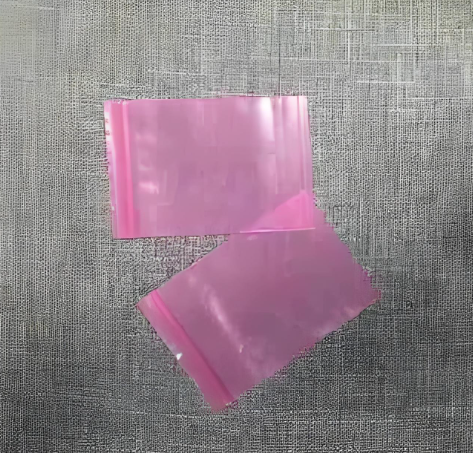
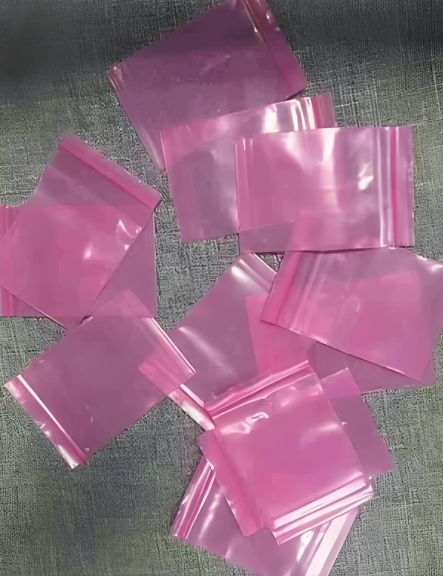


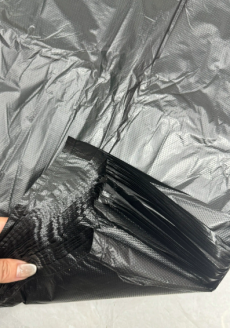
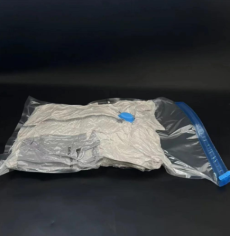
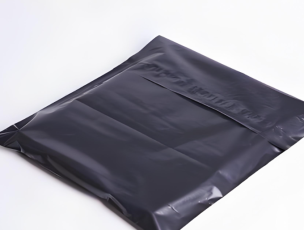
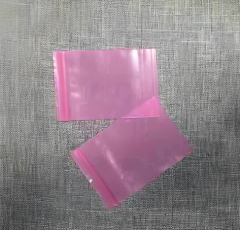
Our anti-static PE bags have multiple competitive advantages. First, the surface resistance is strictly controlled between 10^6-10^11 ohms, meeting international ESD protection standards, which can quickly dissipate static electricity within 0.5 seconds to eliminate potential damage to sensitive components. The thickened material provides better tear resistance compared to ordinary PE bags, reducing the risk of accidental damage during handling. The optional zip-lock and heat-sealable seals allow users to choose the most suitable sealing method according to storage needs, and the transparent design makes it easy to identify the internal components without opening the bag. It also complies with ROHS and REACH environmental protection standards, making it a safe and sustainable packaging solution for electronic manufacturing.
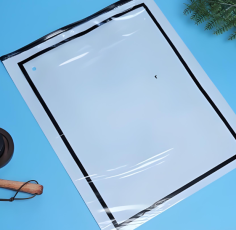
Detailed specifications of this anti-static PE electronic component bag include: material is conductive LDPE mixed with anti-static additives, no non-environmental friendly substances; thickness ranges from 0.05mm to 0.1mm, with thicker options available for large component packaging; standard size options cover 5x8cm, 10x15cm, 20x25cm, 30x40cm, and custom sizes are supported; surface resistance is tested and certified to meet ESD standard requirements, with static dissipation time less than 0.5 seconds. Each box contains 500 individual bags, packaged in a moisture-proof carton to avoid static buildup during storage. The bag is compatible with most electronic component storage boxes and trays, and can be customized with printed logos or component labels for better inventory management.
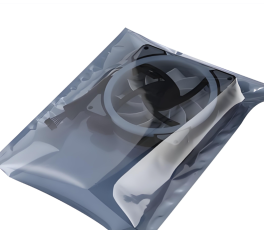
This anti-static PE bag is widely used in multiple electronic industry scenarios. It is suitable for storage and transportation of IC chips, resistors, capacitors, and other small electronic components in electronic manufacturing plants. It can also be used for packaging PCB boards, semiconductor wafers, and precision hardware parts in semiconductor factories. In logistics scenarios, it is ideal for cross-border transportation of electronic products to protect against static damage and moisture during long-distance shipping. Additionally, it can be used in electronic repair shops for storing replacement parts, ensuring the safety of components during temporary storage.














 Post RFQ


 Chat
Chat




 ALL CATEGORIES