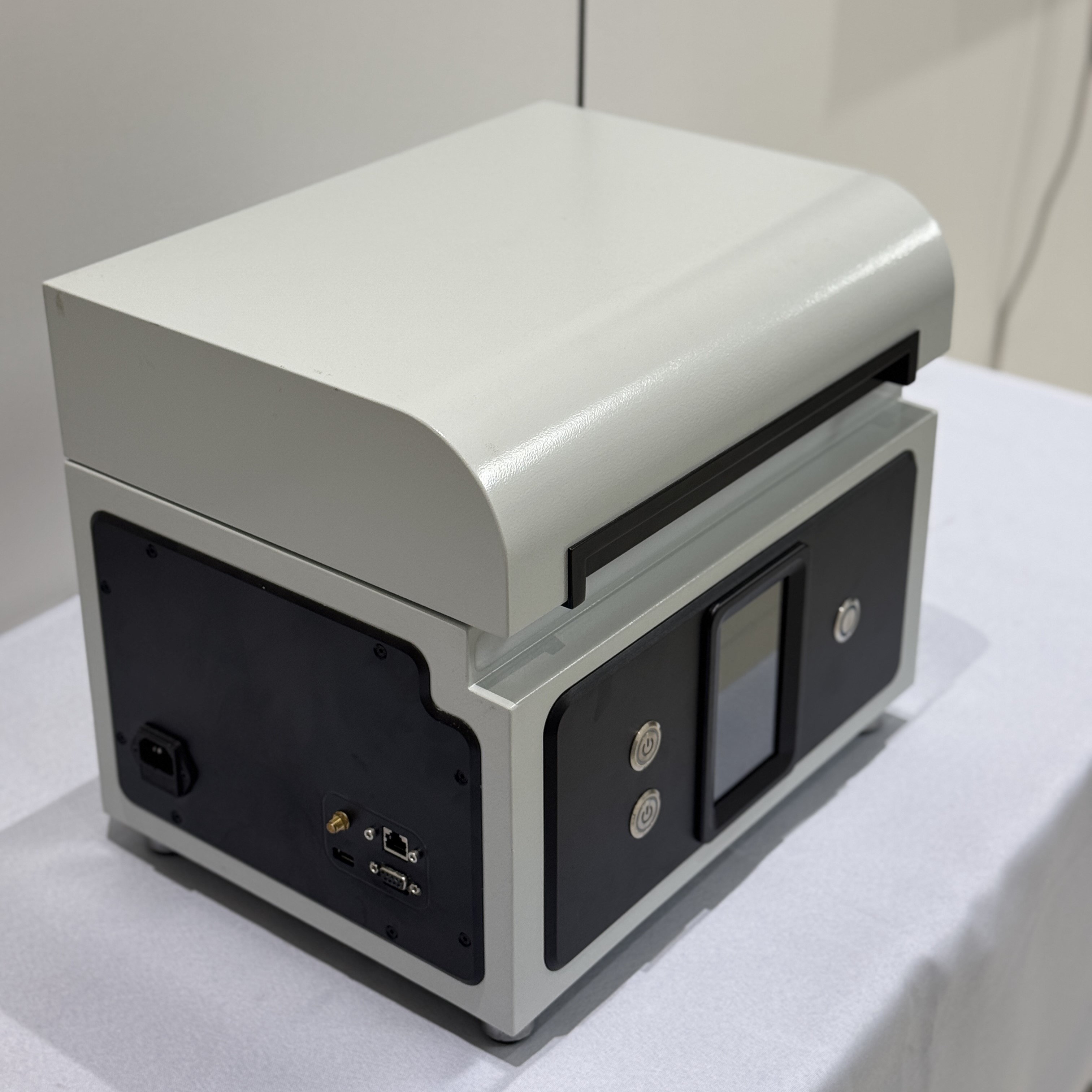
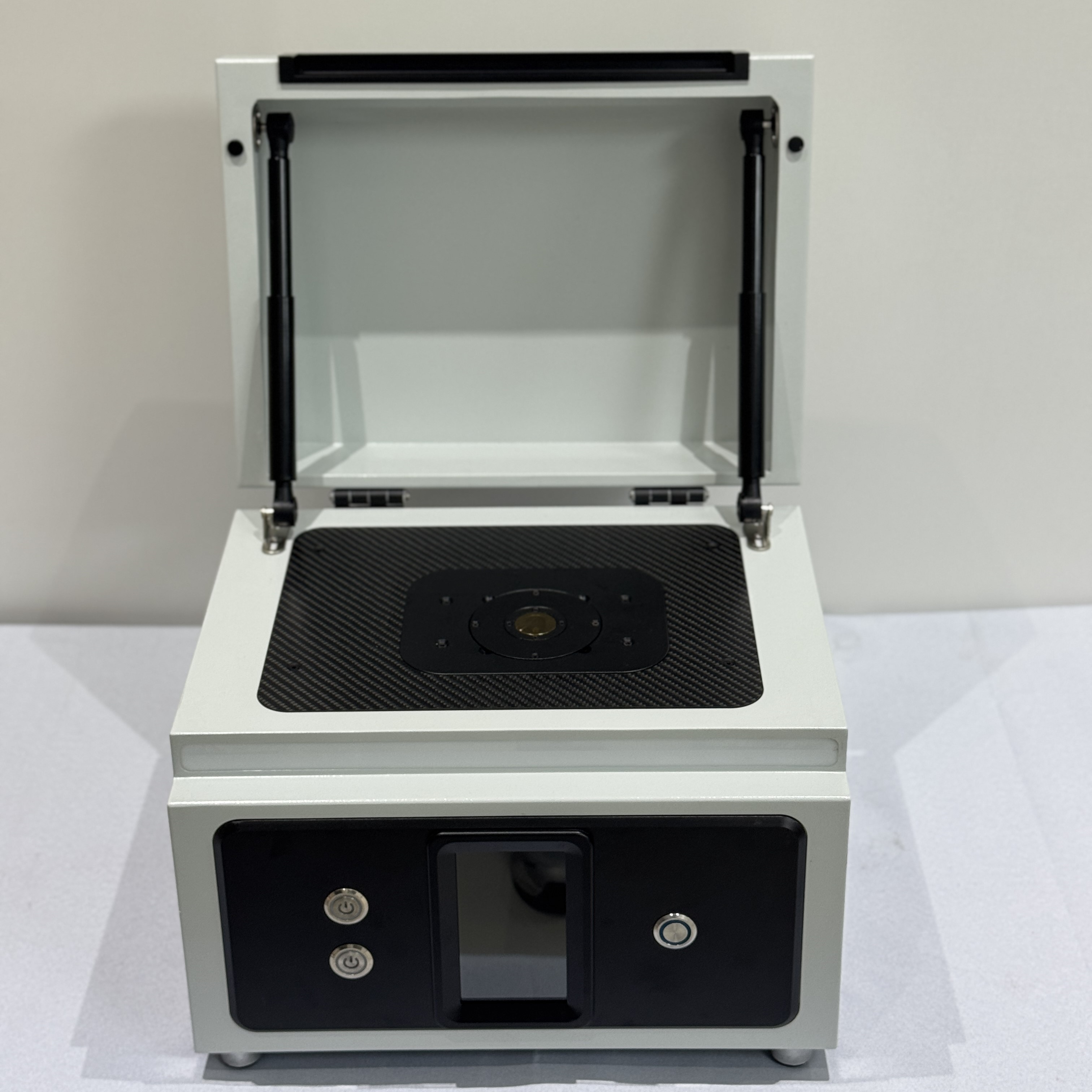





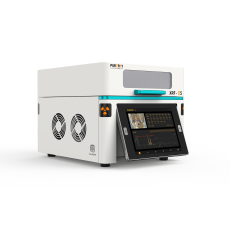

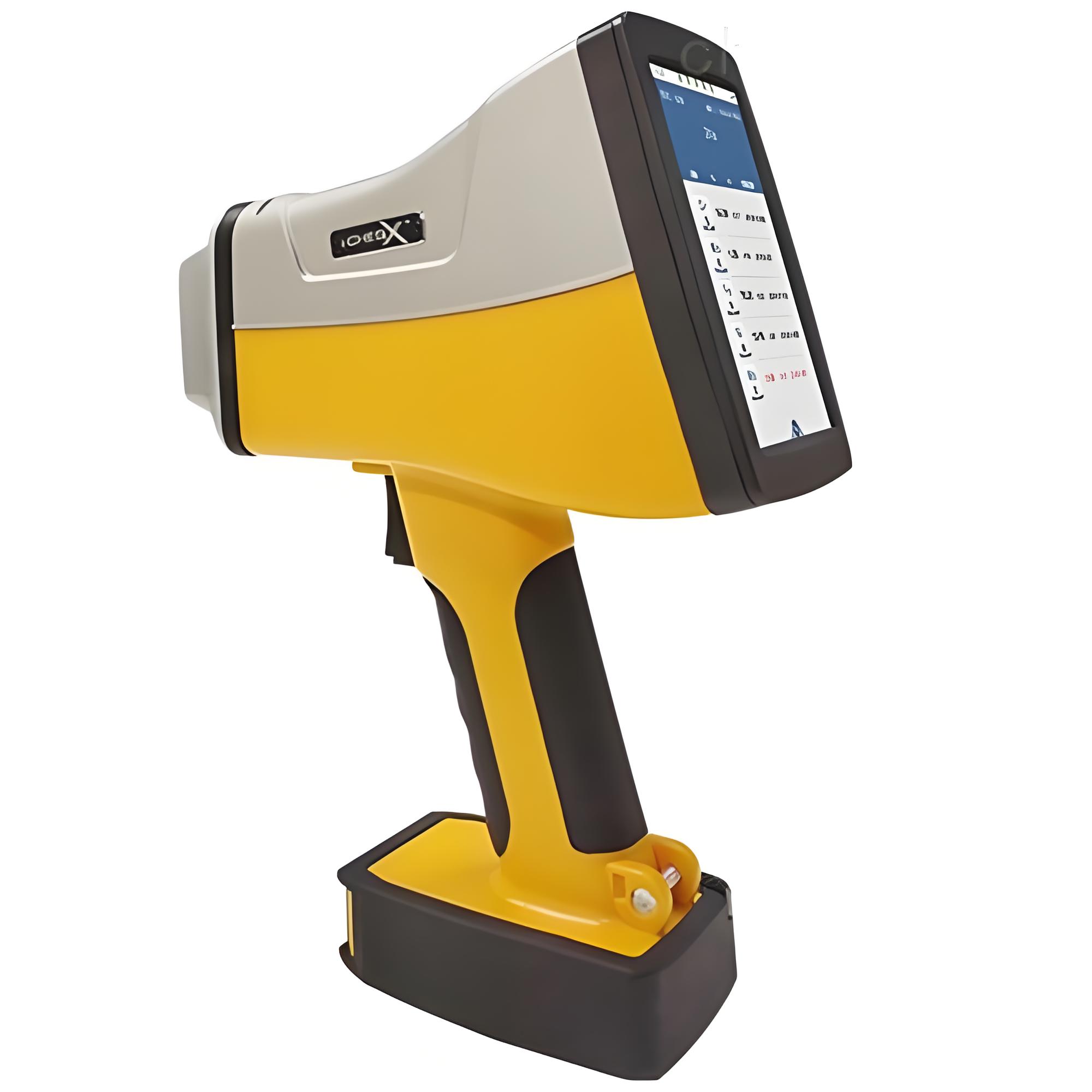
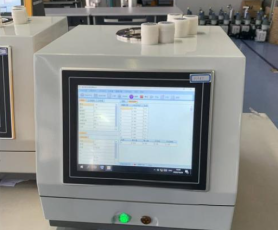
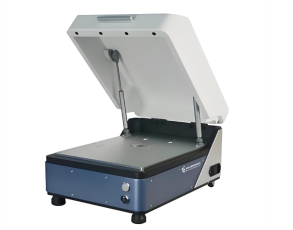
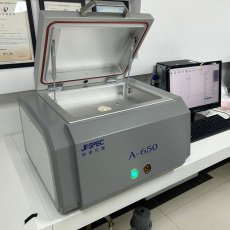
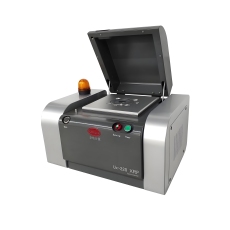
Adopts high-precision four-probe resistance detection technology, matching the built-in professional precious metal composition database to accurately identify more than 12 common precious metals and alloy components, solving the limitation that entry-level equipment can only detect a small number of metals. It supports storage and cloud synchronization of more than 10,000 detection data, and can export detection reports via WiFi or USB, facilitating enterprises to manage quality inspection records and trace customer data. The 7-inch touch screen supports multi-language switching of Chinese, English and Spanish, adapting to the use needs of different regions. It is equipped with an independent calibration module that can automatically calibrate detection accuracy regularly to ensure the consistency and reliability of detection results. The whole body adopts anti-static shell design, adapting to laboratory-level operating environment and avoiding static interference of detection data.
The overall size is 350mm × 280mm × 180mm with a net weight of 8.5kg. The power supply voltage supports 100-240V AC for global use, adapting to grid standards in different regions. The detection accuracy can reach ±0.01%, which can accurately detect the purity of 8K-24K gold, 99.9% pure silver and the composition proportion of other precious metals. The single detection time is only 10-15 seconds, supporting rapid detection of batch samples. It supports USB external printer to print detection reports in real time. It has passed CE, RoHS and FCC triple international certifications, meeting global safety and environmental protection standards. It is equipped with adjustable sample fixtures to adapt to the detection of precious metal samples of different sizes.
It is suitable for raw material quality inspection of large jewelry factories, purity detection before finished product storage, mortgage product valuation detection of pawn shops, batch sample detection of precious metal recycling centers, pre-identification of auction items at auction houses and other scenarios. It can help enterprises establish standardized detection processes, improve the transparency and accuracy of recycling pricing, avoid economic losses caused by detection errors, and provide authoritative detection reports for customers.








 Post RFQ


 Chat
Chat


 ALL CATEGORIES