




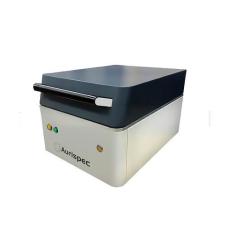

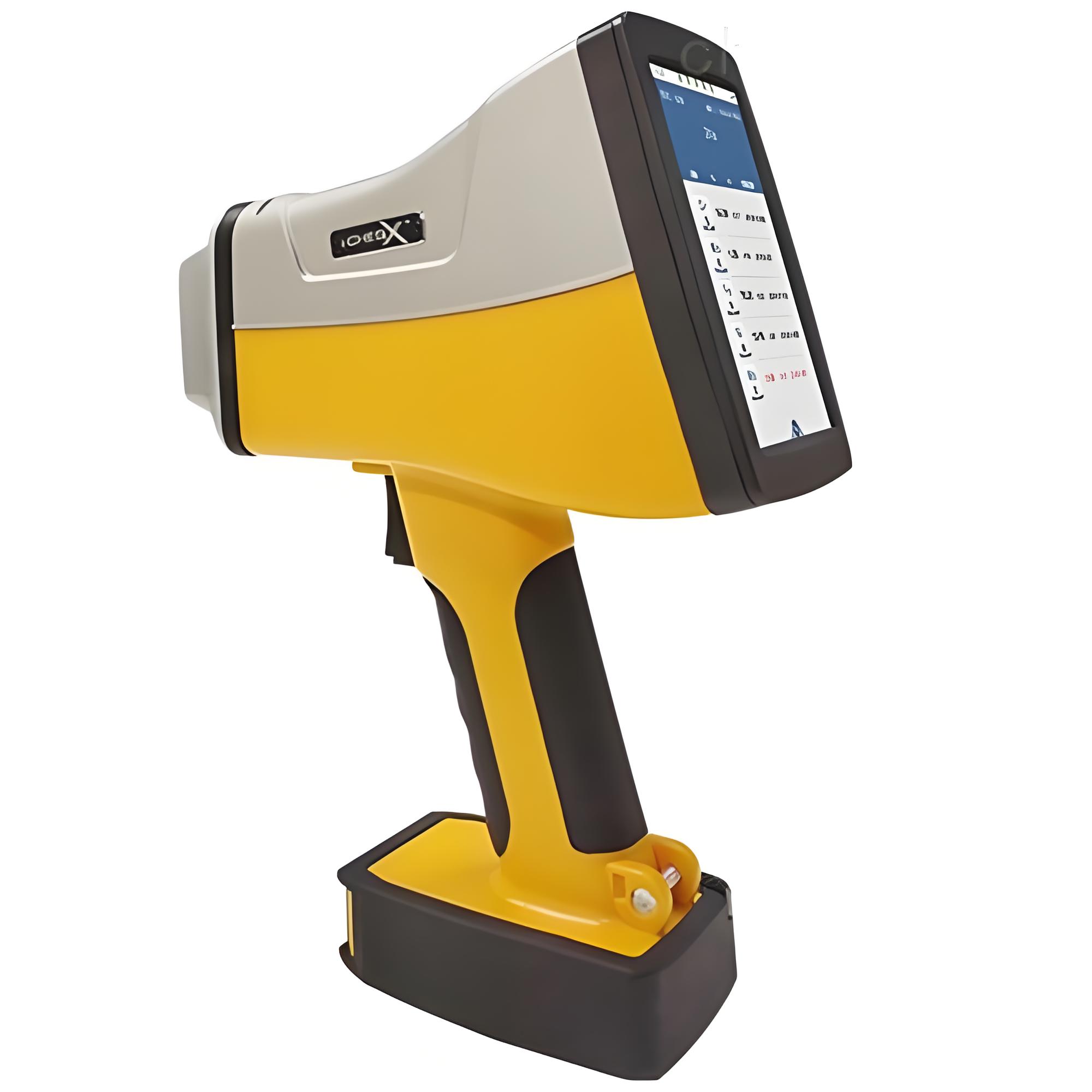
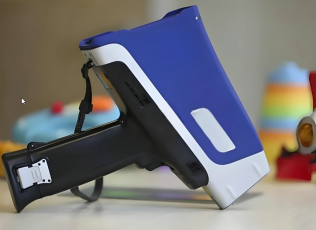
This device stands out for its portability and ease of use, solving the pain points of traditional acid testing such as sample damage, environmental pollution, and long waiting time. It supports one-key switching between Chinese and English display, and the built-in memory can store up to 10,000 sets of detection data for subsequent query and export. The ABS anti-drop housing can withstand a 1.5m drop without damage, adapting to various complex working environments. It has passed CE and FCC safety certifications, with X-ray dose far lower than the international safety limit, ensuring the personal safety of users. The 2.4-inch IPS screen provides clear reading even in bright sunlight, and the Type-C interface supports fast charging and data transmission.
The overall dimensions of the detector are 150mm × 70mm × 35mm, with a net weight of 280g, easy to carry in a standard tool bag. The 2000mAh lithium-ion battery supports 8 hours of continuous testing on a single charge, and can be fully charged within 2 hours via the Type-C interface. The built-in XRF sensor has a detection range covering 10K to 24K gold, 925-999 silver, platinum 900-999, and palladium 900-999, with a gold purity detection accuracy of ±0.01%. Each single detection only takes 3-5 seconds, and users can save detection data to the built-in memory or export it to a computer via USB to generate professional test reports. It meets the CE and FCC safety certification standards, with an X-ray dose of less than 0.1μSv/h, far lower than the international safety limit of 2.5μSv/h.
This entry-level handheld precious metal detector is suitable for small jewelry shops to conduct quality inspection of finished products, pawnbrokers to identify the purity of recycled gold and silver, individual jewelry collectors to verify the authenticity of their collections, and street vendors selling jewelry to confirm the material of their products. It does not require professional laboratory environment, and can be used anytime and anywhere, effectively solving the problem of on-site rapid detection of precious metals.







 Post RFQ


 Chat
Chat


 ALL CATEGORIES