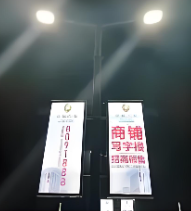
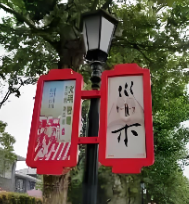


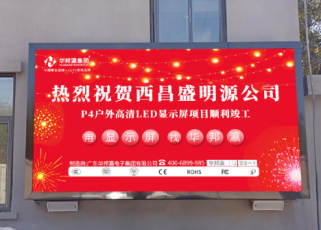

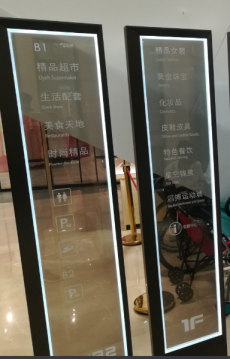
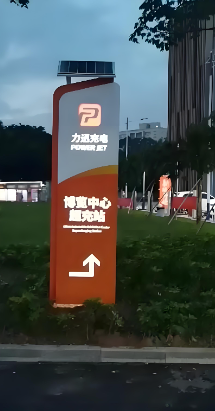
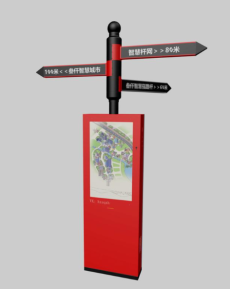
The core advantage of this smart street sign is its fully solar-powered design, eliminating the need for costly wired electrical installations and reducing carbon emissions. Its automatic brightness adjustment system, powered by an ambient light sensor, ensures the screen is visible in direct sunlight and dims at night to avoid light pollution, solving the dual challenges of energy waste and community complaints. The motion detection sensor triggers targeted content when pedestrians are within 5 meters, displaying relevant ads (e.g., local restaurant menus, retail discounts) based on foot traffic patterns. Unlike traditional street signs, it supports remote content updates via WiFi or Bluetooth, allowing users to schedule ads, update public safety messages, and monitor performance in real-time. The IP66 waterproof rating and corrosion-resistant aluminum housing make it durable against rain, snow, and road salt, ensuring a long lifespan in harsh urban environments.
This smart street sign features a 7-inch high-resolution LCD screen with a resolution of 1280x720, delivering clear, vivid images and text. It is powered by a 100W monocrystalline solar panel, which charges a 12V 100Ah lithium-ion battery that provides up to 7 days of continuous use without sunlight. The screen brightness ranges from 100 nits (night mode) to 500 nits (day mode), adjusted automatically by an ambient light sensor. It integrates a PIR motion detection sensor with a 5-meter detection range, triggering content updates when pedestrians are nearby. The sign measures 300mm (W) x 500mm (H) x 150mm (D) and weighs 18kg, designed for installation on street poles between 3.5M and 5M in height. The housing is made of corrosion-resistant aluminum alloy with an IP66 waterproof rating, and the LCD screen has a lifespan of 80,000 hours. It supports remote content management via a mobile app, allowing users to schedule ads and monitor battery levels.
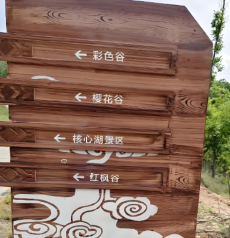
This solar-powered smart street sign is ideal for urban and suburban advertising and public communication. City governments use it to display public safety alerts, traffic updates, weather forecasts, and community event information, improving citizen engagement and safety. Real estate developers deploy it in new residential areas to promote neighborhood amenities, local schools, and nearby businesses, attracting potential homebuyers. Local businesses such as cafes, restaurants, and retail stores use it to showcase daily specials, discount offers, and opening hours, targeting pedestrians within a 5-meter radius. Additionally, it serves as a wayfinding tool in parks, tourist areas, and university campuses, providing directional guidance and promoting local attractions. Its solar-powered design makes it suitable for off-grid locations such as rural roads, parking lots, and recreational areas, where wired power is unavailable.





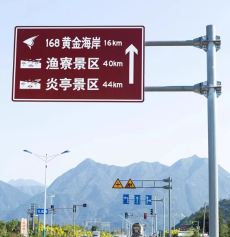

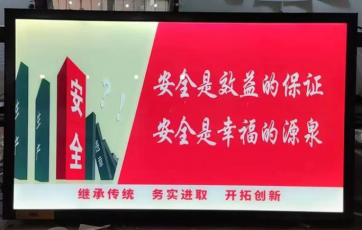
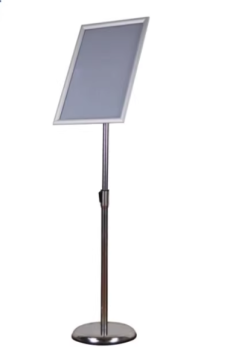
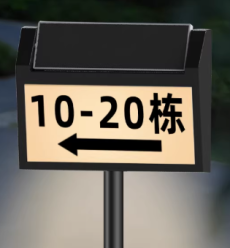





 Post RFQ


 Chat
Chat


 ALL CATEGORIES