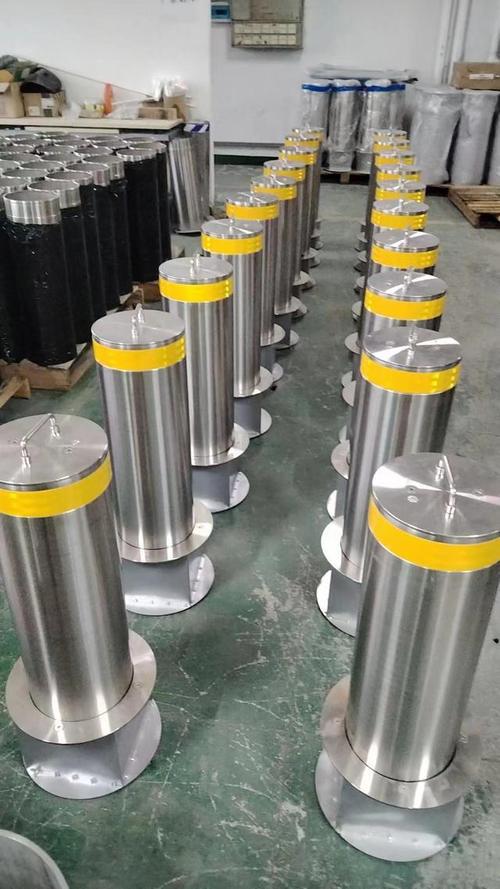
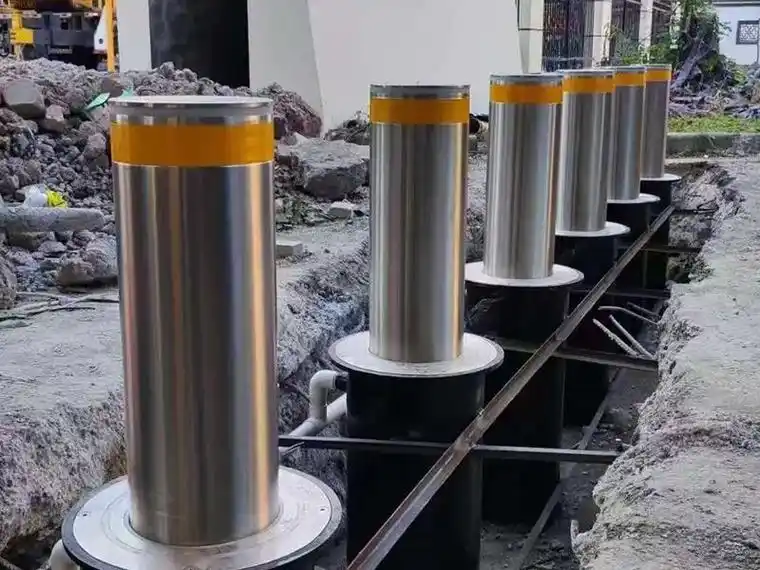



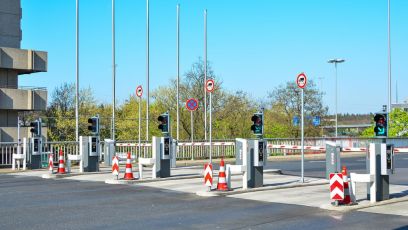
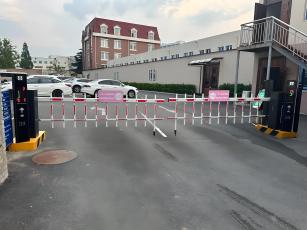
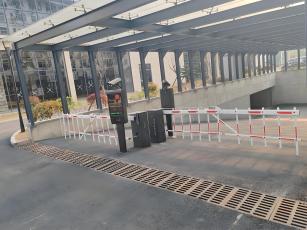
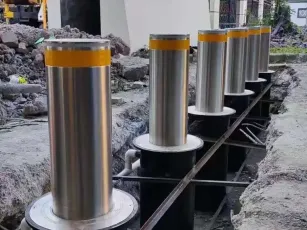
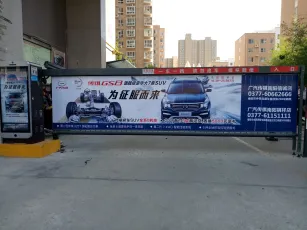
The core advantage of this industrial boom barrier is its super crash resistance capability, which meets the K4 grade standard and can effectively resist the impact of heavy-duty vehicles, preventing unauthorized vehicle intrusion and protecting site facilities and personnel safety. It is equipped with a high-power three-phase AC motor, which provides strong power support for boom lift/lower actions, ensuring stable operation even under low-temperature conditions. The PLC control system enables automatic access management, supporting linkage with vehicle access control systems and weighing systems to realize automated verification and release of freight vehicles. The audible and visual alarm system will trigger an alarm immediately when abnormal status such as boom jamming or power failure occurs, reminding on-site personnel to handle it in a timely manner. The heavy-duty steel structure with anti-corrosion coating ensures a long service life of up to 10 years, reducing maintenance costs for industrial users.
The main body dimensions are 1200mm (L) × 450mm (W) × 1400mm (H), and the boom length is optional from 4-8 meters, made of high-strength carbon steel with a rubber anti-collision layer on the surface, and the boom thickness is 3.0mm, with a weight of about 8kg per meter. The main body is made of 5mm thick Q235 heavy-duty steel, with a total weight of about 220kg. The motor power is 550W, three-phase AC motor, with a rated service life of up to 3 million lift/lower cycles. The power supply voltage is AC380V/50Hz, and the power consumption during operation is 250W. The protection grade is IP66, which can completely prevent dust intrusion and withstand heavy rain flushing. The operating temperature range is -40℃ to 70℃, and the humidity range is 5%-95% (no condensation). The wind resistance grade is Level 12, which can withstand wind speeds up to 118km/h without deformation or damage.
This heavy-duty boom barrier is widely used in logistics parks, industrial zones, ports, freight terminals, and mining areas. In logistics parks, it can manage the entry and exit of large freight trucks, verify vehicle information through linkage with weighing systems, and prevent overloaded vehicles from entering the park to protect road facilities. In ports and freight terminals, it can adapt to harsh coastal environments with high salt spray and strong winds, ensuring the smooth entry and exit of container trucks and improving terminal operation efficiency. In industrial zones, it can restrict unauthorized vehicle access, protect production areas and storage facilities, and prevent safety accidents caused by vehicle intrusion. In mining areas, it can withstand the impact of heavy mining vehicles and adapt to dusty environments, providing reliable access control services for outdoor mining sites. It is an essential access control equipment for all types of industrial sites with heavy-duty vehicle traffic.








 Post RFQ


 Chat
Chat


 ALL CATEGORIES