





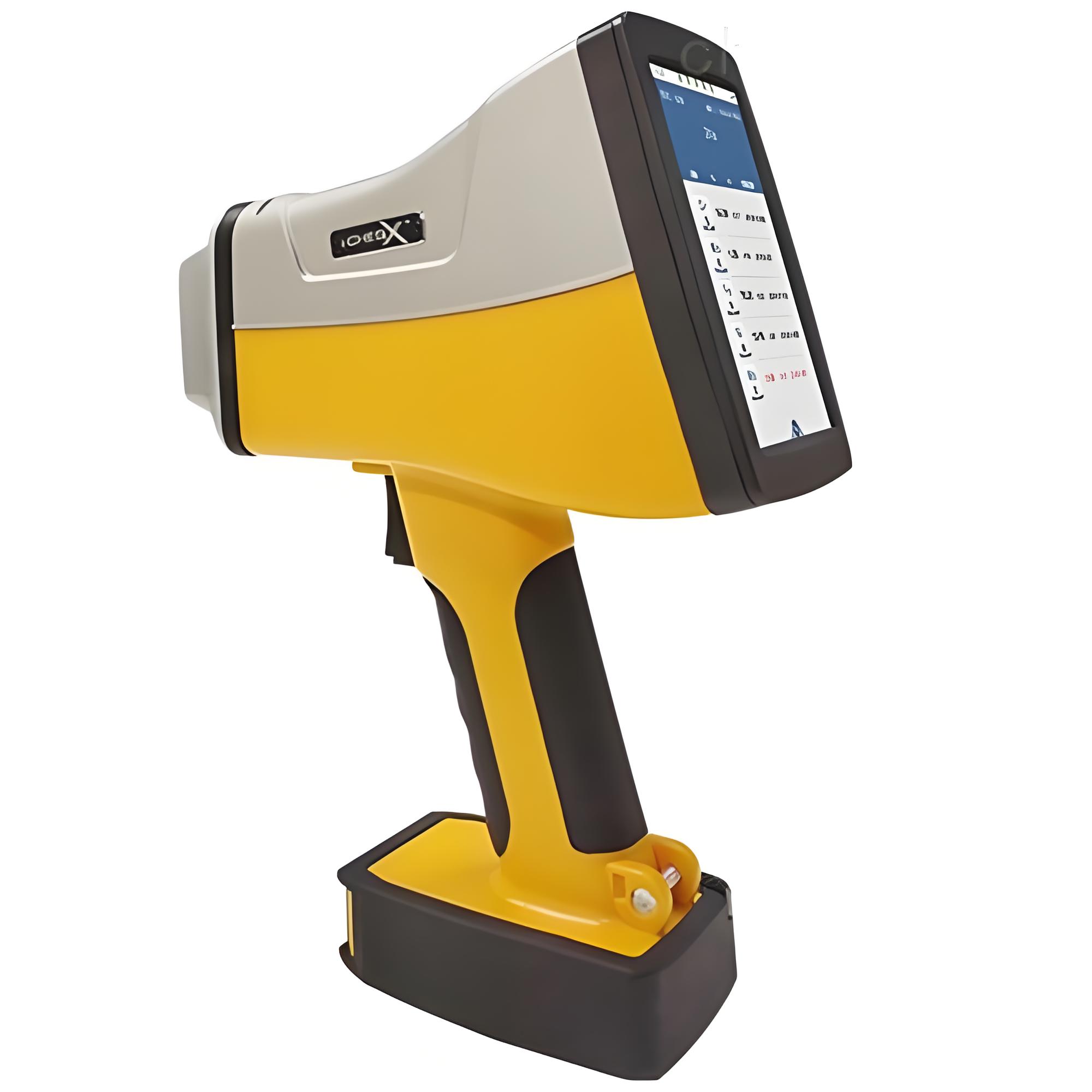
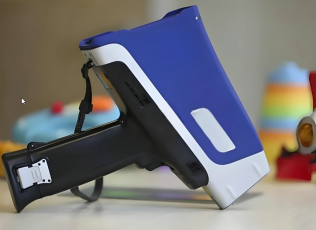
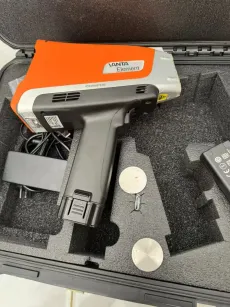
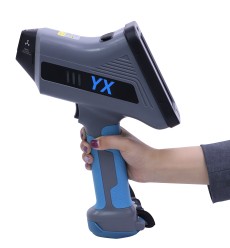
This portable XRF ore grade analyzer has core advantages tailored for mineral industry scenarios. It adopts a high-energy X-ray source and a high-sensitivity detector, ensuring accurate detection of trace elements in ore. The built-in ore grade assessment system can automatically calculate the grade of common ore types such as copper ore, iron ore and gold ore, and generate professional mineral processing suggestions. It has a lightweight and portable design, suitable for long-term field use, and supports custom calibration for different ore types to improve detection accuracy. It also supports wireless data transmission, which can upload test data to the cloud platform for remote sharing and analysis, solving the problems of slow ore testing speed and lagging data of traditional testing methods.
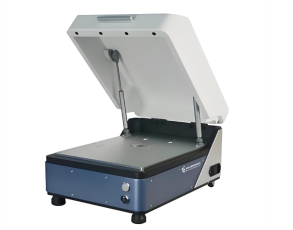
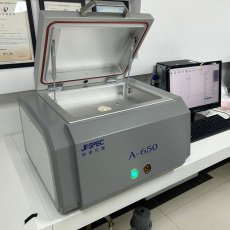
This portable XRF ore grade analyzer has the following detailed specifications: overall dimensions of 280*220*100mm, net weight of 1.8kg, equipped with a 6800mAh rechargeable lithium battery that supports 6 hours of continuous use. The detection element range covers magnesium (Mg) to uranium (U) (12th to 92nd elements on the periodic table), with a detection limit of 1ppm to 100% and an accuracy of ±0.08%. It is equipped with a 5-inch IPS touchscreen for easy operation and data viewing, and supports Wi-Fi and USB-C for data transmission and external device connection. The device has a built-in ore grade assessment software that can automatically generate ore grade reports, and supports custom calibration curves for different ore types. Its operating temperature range is -5℃ to 50℃, suitable for most mining site environments.
This portable XRF ore grade analyzer is mainly used in the mineral industry. In the mineral exploration stage, it can rapidly detect the grade of ore in outcrops and drilling cores, providing data support for mineral resource assessment and mining planning. In the mineral processing plant, it can realize real-time quality control of ore dressing, adjusting the processing technology in time to improve the recovery rate of minerals. It can also be used in the waste rock sorting stage of mines to quickly distinguish waste rock from high-grade ore, reducing the cost of mineral processing. It can also be used in the scrap metal recycling industry to detect the metal content of ore-like waste materials.







 Post RFQ


 Chat
Chat


 ALL CATEGORIES