





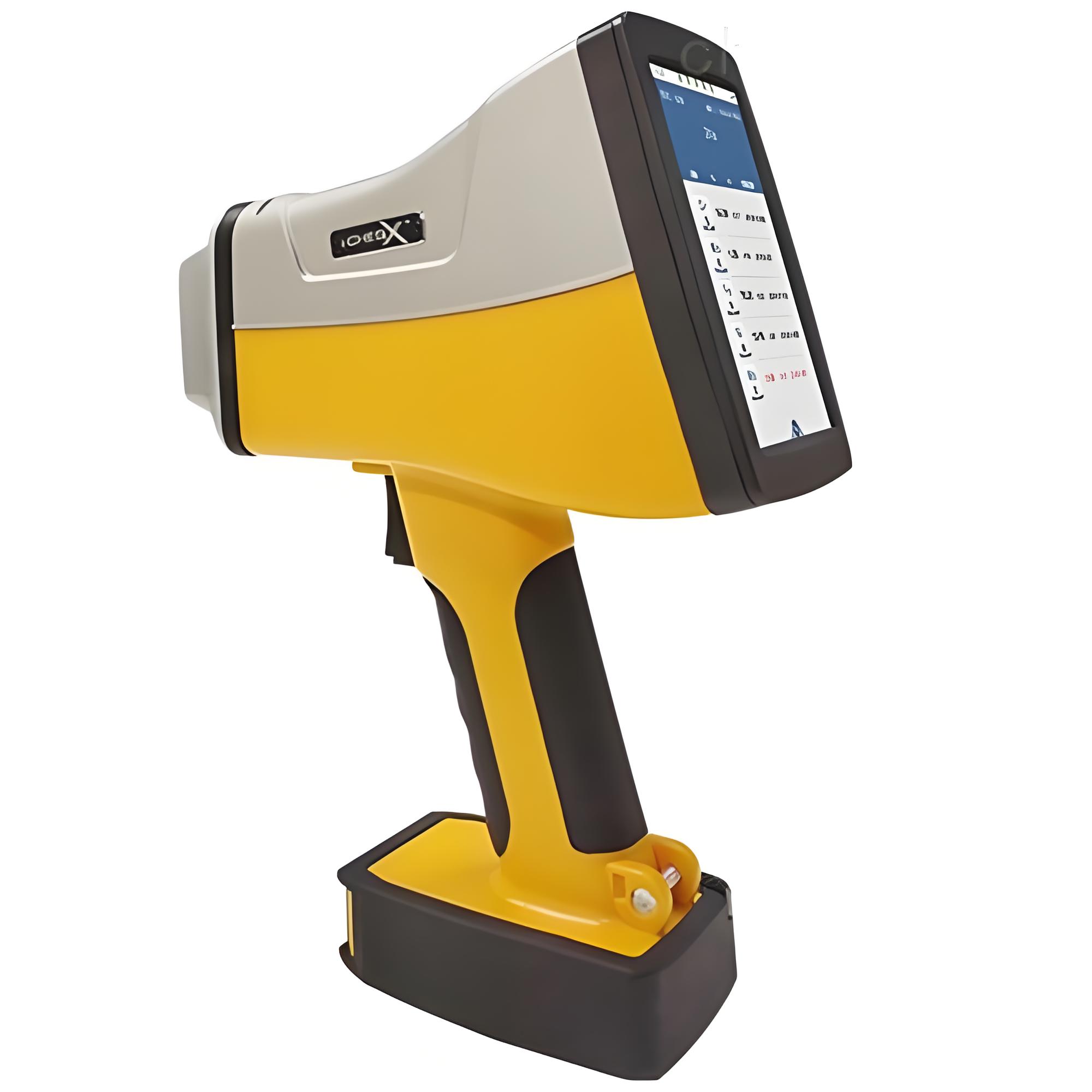
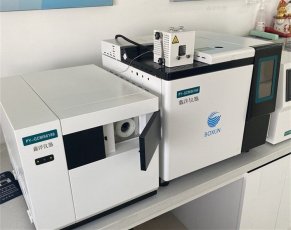
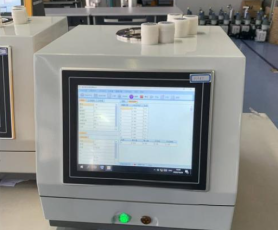
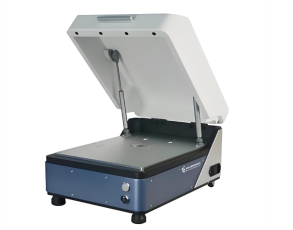
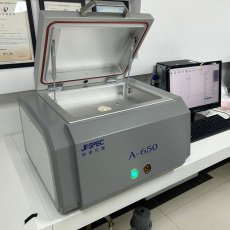
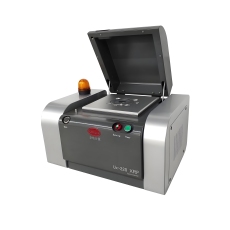
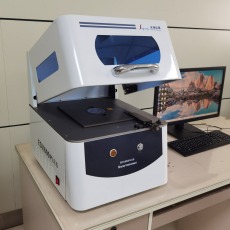
This online XRF coating thickness tester has multiple core advantages. First, it adopts non-contact non-destructive testing technology, which will not cause damage to the surface of the workpiece and does not affect the subsequent production process. Second, it has a high detection speed of 1 test per second, which can meet the high-efficiency testing requirements of modern production lines. Third, it has an IP67 waterproof and dustproof rating, suitable for harsh industrial production site environments. It is equipped with a threshold alarm function, which can automatically alarm when the coating thickness does not meet the standard, and support remote monitoring and data sharing through Ethernet and RS485 interfaces. It effectively solves the problems of slow testing speed, high labor cost and inability to realize full-range quality control of traditional offline testing methods.
This online XRF coating thickness tester has the following detailed specifications: overall dimensions of 300*250*150mm, suitable for fixed installation on production lines. The coating thickness detection range is 0.1μm to 5000μm, with an accuracy of ±1% reading +0.05μm and a detection speed of 1 test per second. It supports multiple communication interfaces including Ethernet and RS485, and can connect to industrial control systems for real-time data transmission. It is powered by 24V DC, with an IP67 protection rating, suitable for operating temperature range of 0℃ to 45℃ and relative humidity of 10% to 90%. The device has a built-in data storage module that can store more than 100,000 test records, and supports historical data query and export.
This online XRF coating thickness tester is widely used in industrial production lines. In the automobile manufacturing industry, it can detect the thickness of paint and electroplating coating of auto parts to ensure the corrosion resistance and appearance quality of automobiles. In the hardware processing industry, it can detect the coating thickness of hardware products such as screws and hinges to meet the quality standards of different application scenarios. In the electronic components industry, it can detect the thickness of coating layers on circuit boards and electronic chips to ensure the performance and service life of electronic products. It can also be used in the kitchenware manufacturing industry to detect the coating thickness of non-stick cookware to meet food safety standards.







 Post RFQ


 Chat
Chat


 ALL CATEGORIES