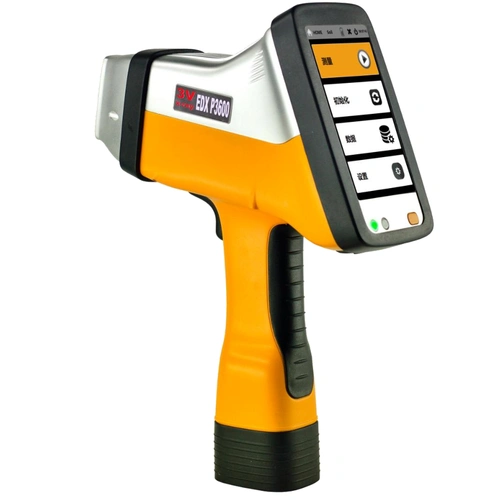
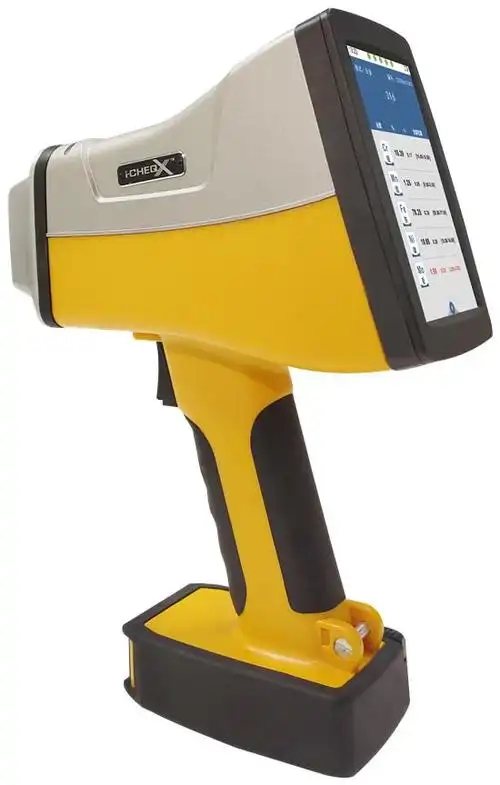





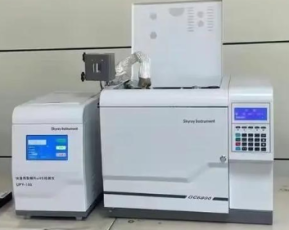
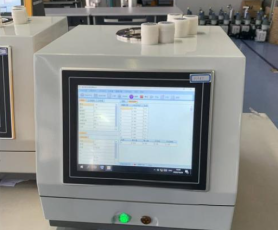
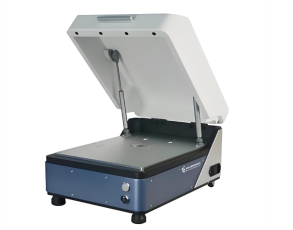
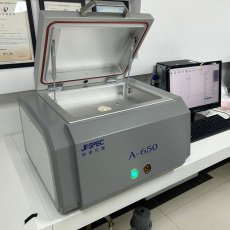
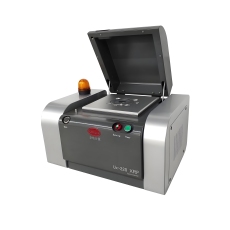
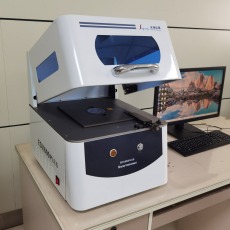
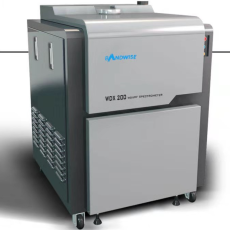
The core advantage of this online XRF spectrometer is its real-time detection capability, which can solve the pain point of delayed quality control in traditional offline sampling detection. It adopts a non-contact detection method, which will not cause damage to the production materials, meeting the requirements of non-destructive testing. It supports multiple industrial communication protocols, which can be easily connected to the existing production line control system, realizing real-time data transmission and closed-loop control of production parameters. The IP54 protection grade can adapt to the harsh industrial field environment, and the automatic calibration function reduces the maintenance workload of personnel. Compared with offline testing, it can reduce the scrap rate of products and save production costs.
The detection head dimensions are 300mm × 200mm × 150mm, with a weight of 15kg. The excitation voltage is adjustable from 0-40kV, and the excitation current is adjustable from 0-150μA. The real-time sampling frequency can reach up to 10 times per second, and the testing accuracy is ±0.02% for mass fraction, covering all elements from magnesium to uranium. It supports Modbus TCP and Profibus DP communication protocols, and the maximum data transmission distance can reach 1000m. The operating temperature range is 0℃ – 45℃, and the humidity range is 30% – 80% RH, adapting to most industrial field environments. It is equipped with a remote monitoring function, allowing users to view the detection data and equipment status in real time through the cloud platform.
This online XRF spectrometer is mainly applicable to the quality control of industrial production lines, such as plastic particle component detection, rubber additive content detection, metal alloy component online monitoring, ceramic raw material component analysis and other scenarios. It can be installed on the raw material conveying belt, production line processing point and finished product sorting line, realizing real-time detection of material components during the production process. It can timely detect unqualified products and send alarm signals to the production control system, automatically adjusting the production parameters to ensure the consistency of product quality, effectively reducing the scrap rate and production costs.










 Post RFQ


 Chat
Chat





 ALL CATEGORIES