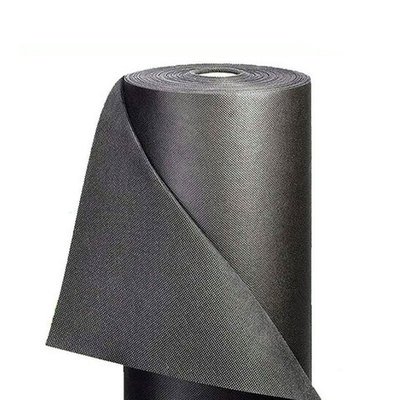
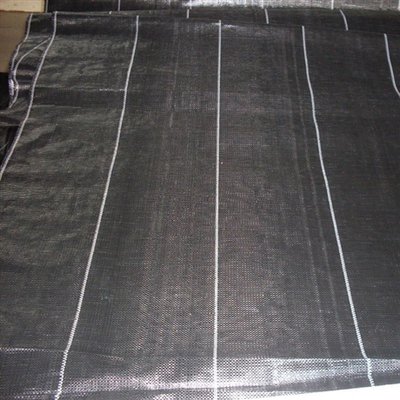


Its core characteristics are environmental friendliness and integrated functionality.In addition to physically blocking weeds,it adds organic matter to the soil as it decomposes,potentially improving soil structure.Products made from jute or coir can have excellent water-holding capacity,helping reduce soil moisture evaporation during dry periods.Being made from natural materials,it is generally considered plant-root friendly and avoids long-term plastic residue issues.However,its effective lifespan is significantly influenced by soil moisture,temperature,and microbial activity,degrading faster in warm,moist environments.Therefore,it is more suitable for scenarios with defined crop rotation cycles or short-term coverage needs.
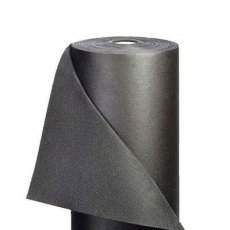
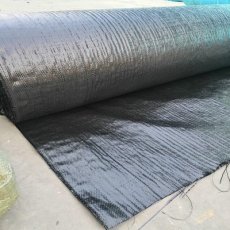
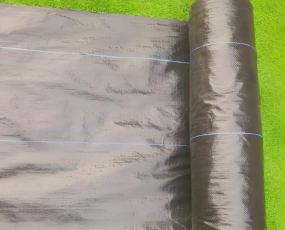
Product forms vary,including pre-cut mats(for individual plants)or narrow-width rolls.Thickness and density are much higher than synthetic weed fabrics to compensate for the inherent strength limitations of the materials and ensure adequate coverage before degradation.Some products may be blended with natural insect-repelling plant extracts,attempting to provide additional pest management support.Packaging typically indicates suggested application environments and estimated degradation timeframes.
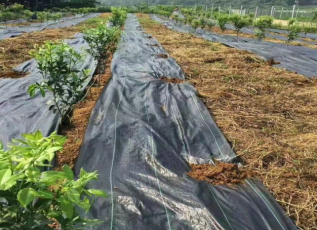
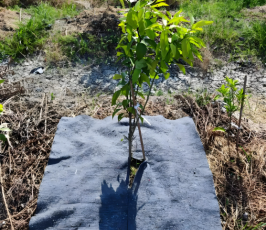
Well-suited for organic farms and home organic vegetable garden beds,especially under vining crops like strawberries and melons.Suitable for mulching around newly transplanted trees or shrubs,retaining moisture and suppressing weeds,with the mat degrading without girdling the trunk.Used in community gardens and ecological restoration projects as a temporary layer for erosion control and weed suppression.Also seen in high-end landscaping projects as an option for clients concerned about environmental footprint.









 Post RFQ


 Chat
Chat





 ALL CATEGORIES