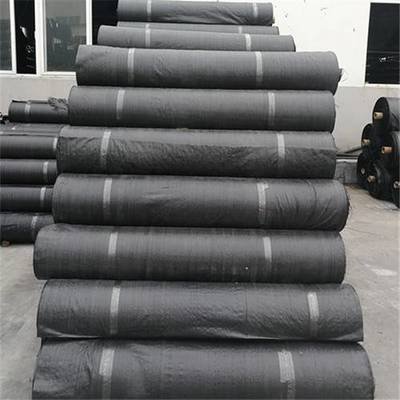
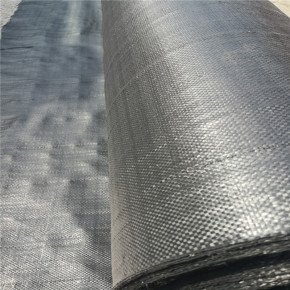


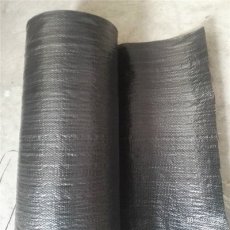
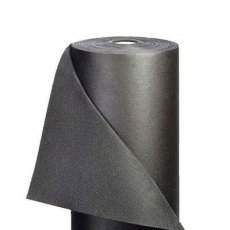
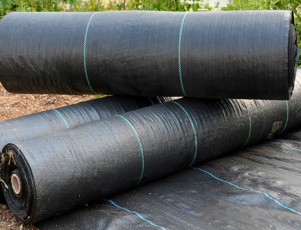
A key feature of this type of weed barrier is its good water and air permeability.Its needle-punched non-woven structure allows moisture and air to pass through relatively freely,which may be somewhat helpful for maintaining biological activity in the covered soil.Compared to solid plastic sheets,it reduces the likelihood of water pooling.The HDPE material itself is resistant to corrosion and mold.Its soft texture allows it to conform well to uneven ground contours.However,its resistance to mechanical damage(e.g.,from sharp tools or heavy equipment traffic)might be less than that of high-grammage woven fabrics.
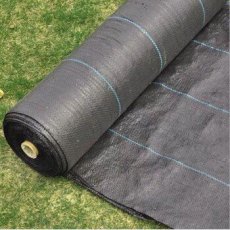
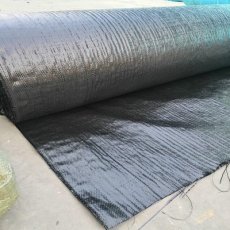
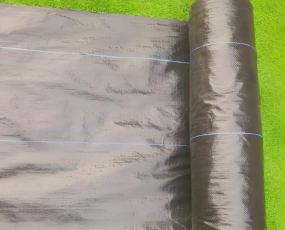
Grammage and thickness are the primary specification parameters;higher grammage usually indicates a denser,more durable material.Common widths range from 1 to 2 meters to suit different scale installation needs.The color is predominantly black to block light.Products are typically treated for UV resistance to extend service life outdoors.Some products undergo surface calendaring to enhance smoothness and provide a degree of slip resistance.
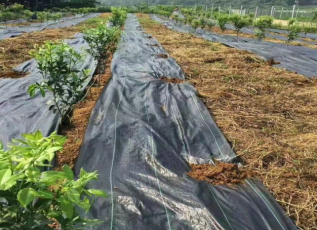
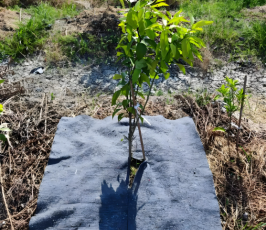
Suitable for home garden and flower bed coverage where soil aeration is a consideration.Commonly used in landscaping projects,such as under shrubs and at the base of flower beds,as a long-term weed management aid.In nurseries,it can be used under potted plants or as a liner for container growing areas.Also suitable for placement under gravel or bark mulch as a secondary weed barrier while allowing drainage.









 Post RFQ


 Chat
Chat





 ALL CATEGORIES