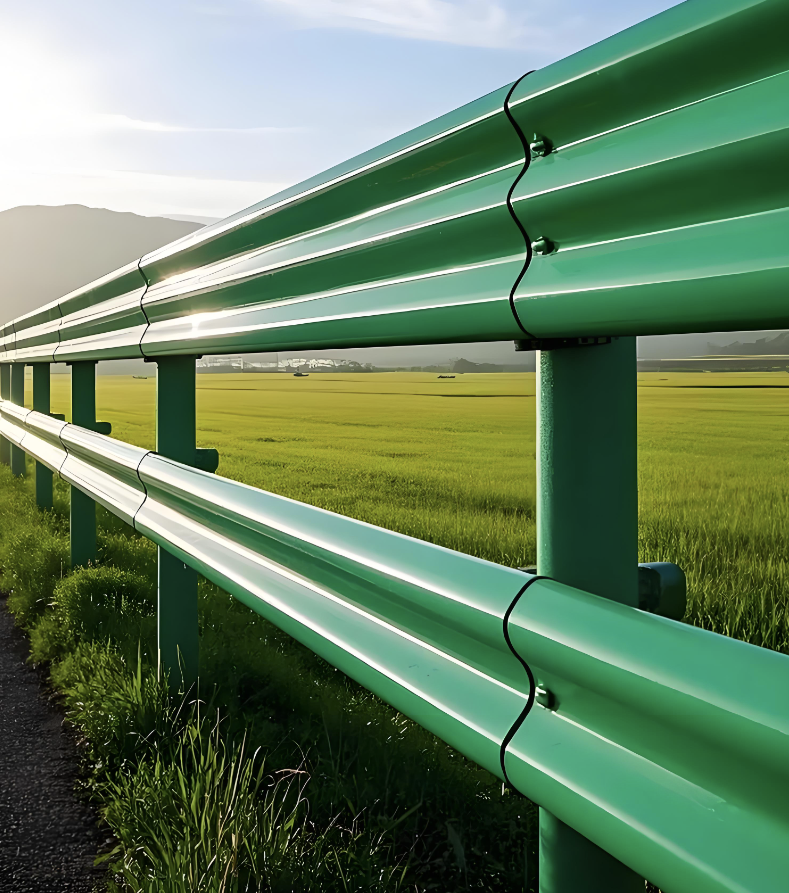
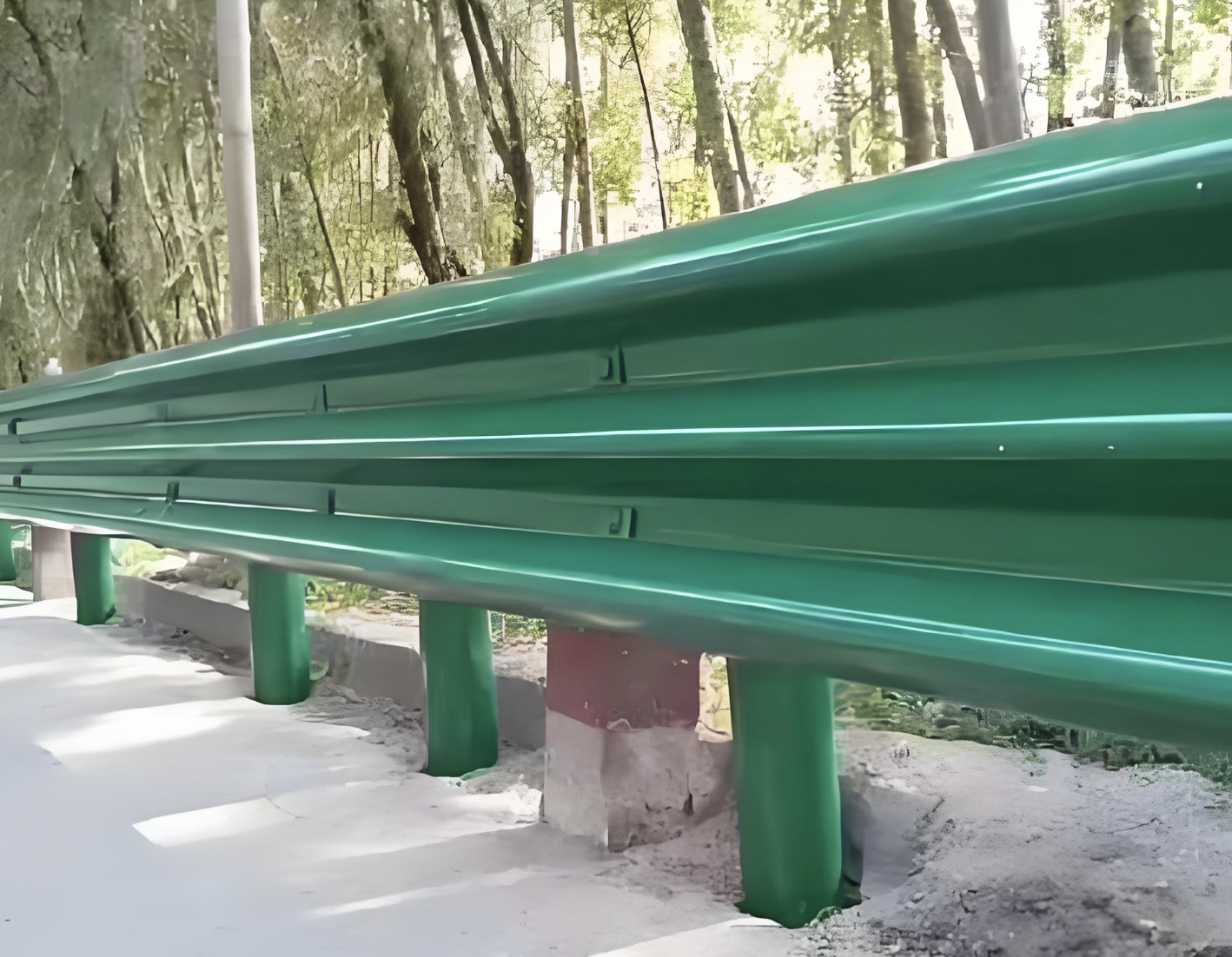


This guardrail’s core advantage lies in its Q345 high-strength steel construction, which offers 30% higher tensile strength than standard Q235 steel, enabling it to absorb and dissipate impact energy from vehicles traveling at speeds up to 100km/h. Its NCHRP 350 Level 3 crash test certification confirms its ability to prevent vehicles from crossing median barriers or veering off roadways, significantly reducing fatalities and injuries in accidents. The dual anti-corrosion system—hot-dip galvanization followed by highway-grade epoxy paint—provides superior resistance to salt corrosion in winter de-icing zones, eliminating the need for frequent repainting or replacement. Unlike low-cost alternatives, this guardrail addresses critical traffic safety pain points such as insufficient impact absorption, rapid corrosion in coastal or cold regions, and non-compliance with national road safety standards.
Each W beam guardrail section measures 4320mm in length, 810mm in height, with a beam thickness of 3mm. The corrugated wave design features a wave height of 85mm and wave pitch of 310mm, optimized for impact energy dissipation. Posts are 140mm in diameter with a 4.5mm wall thickness, installed 600mm deep into concrete foundations for maximum stability, with a post spacing of 2000mm. The hot-dip galvanization coating reaches a minimum thickness of 100μm, meeting ASTM A123 standards, and is topped with a 60μm thick anti-corrosion epoxy paint layer in highway gray. Each section weighs 65kg and includes all necessary hardware for concrete anchoring. It is certified to NCHRP Report 350 Level 3, FHWA standards, and CE, ensuring compliance with global traffic safety regulations.
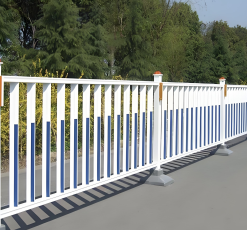
The Municipal Road W Beam Guardrail is essential for a wide range of traffic infrastructure applications, including highway median barriers to prevent head-on collisions, urban roadside guardrails to protect pedestrians and buildings, rural mountain road guardrails to prevent vehicles from falling off embankments, bridge approach guardrails to guide traffic onto bridge structures, and tunnel entrance guardrails to enhance transition zone safety. It is also suitable for use in school zone perimeters, hospital access roads, and construction zone temporary barriers to protect workers and motorists. Target industries include municipal transportation departments, highway construction firms, traffic safety engineering companies, and infrastructure maintenance agencies, where reliable crash protection is a top priority.










 Post RFQ


 Chat
Chat




 ALL CATEGORIES