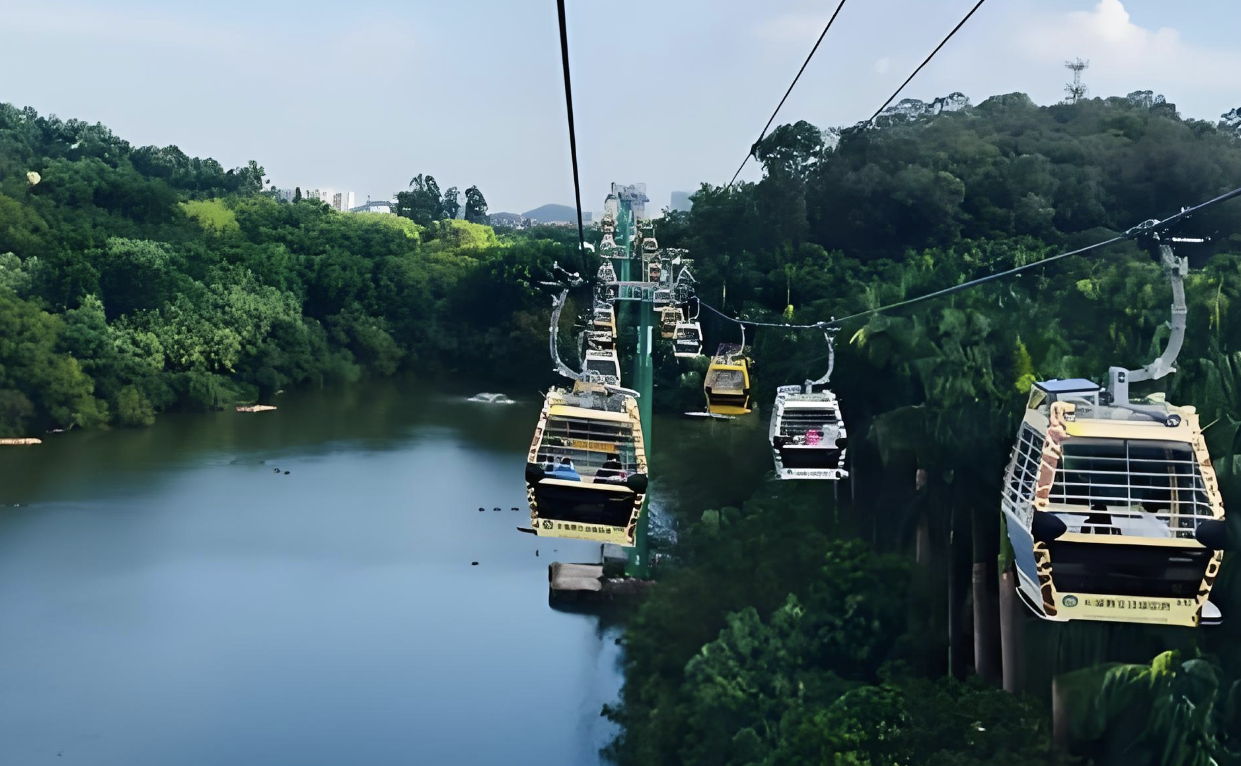
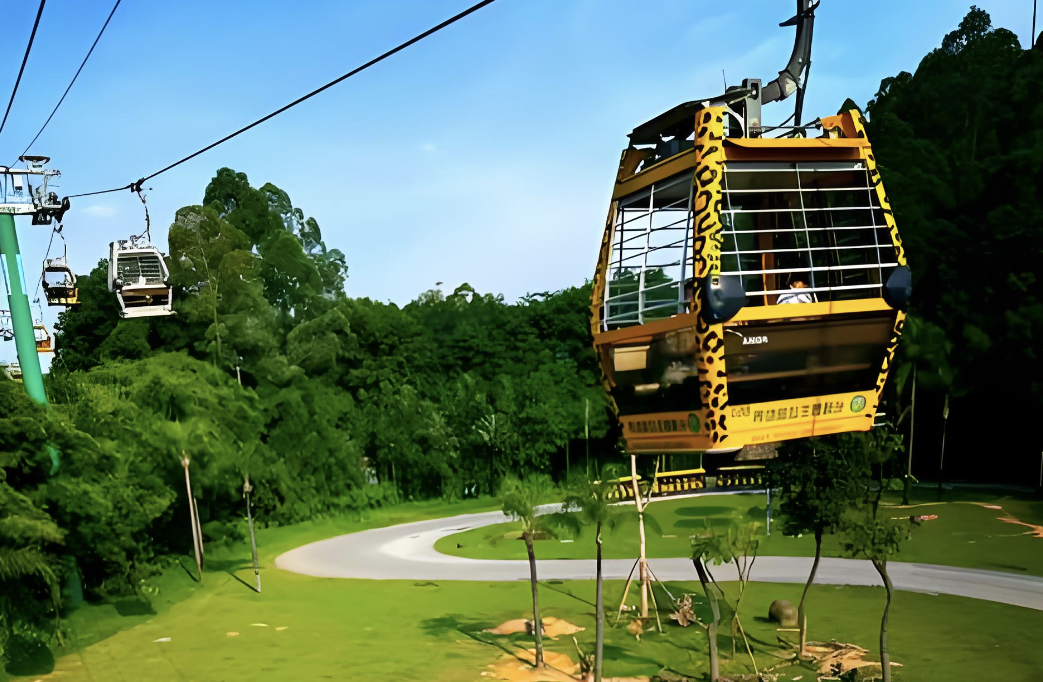


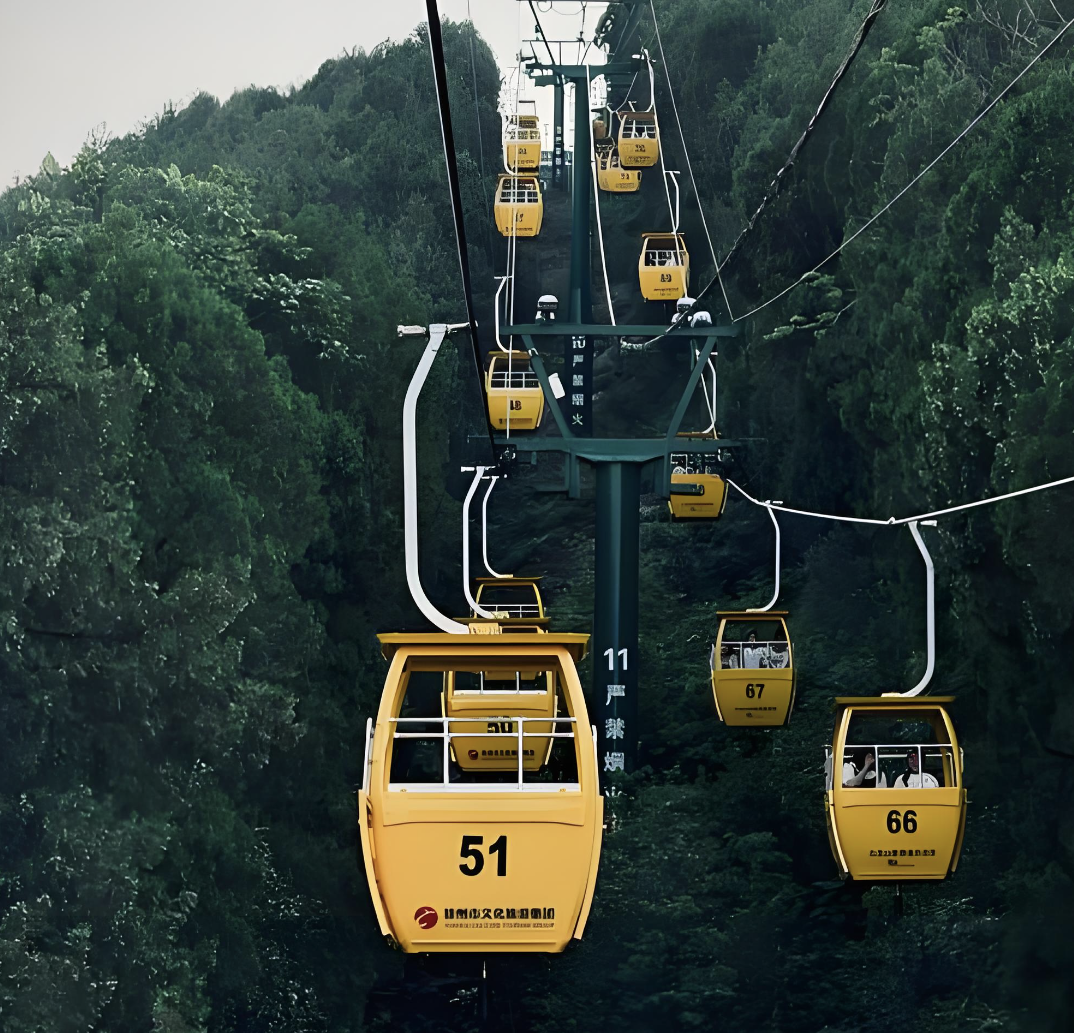
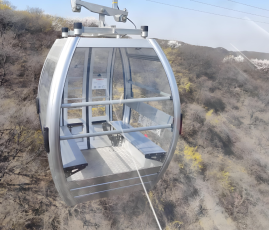
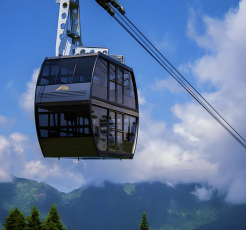
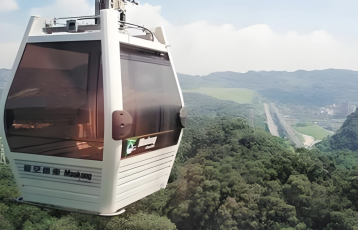
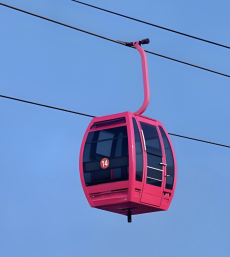
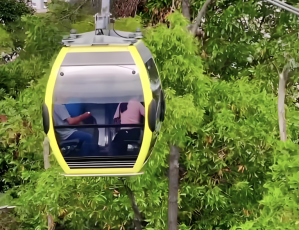
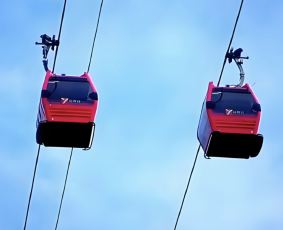
The key feature of this low-level cable car is its eco-friendly design, which includes a recycled aluminum alloy frame and solar-assisted power system that reduces reliance on grid electricity by 30%. The low-reflection glass cabin is treated with a special coating that minimizes light reflection, preventing wildlife from being startled or disturbed by human presence. The silent emergency braking system uses hydraulic technology instead of mechanical friction, eliminating loud noises that could disrupt animal habitats. The collision avoidance sensors use passive infrared technology to detect large wildlife crossing the cable route, automatically reducing speed or stopping to avoid disturbing animals. The cabin’s soundproofing material blocks human conversation noise, ensuring that tourists can observe wildlife in their natural, undisturbed state. Additionally, the wildlife observation guide stickers inside the cabin help tourists identify common species and learn about their habitats, enhancing educational value. The cable car’s modular design allows for easy disassembly and relocation if reserve boundaries change or habitat restoration is needed.
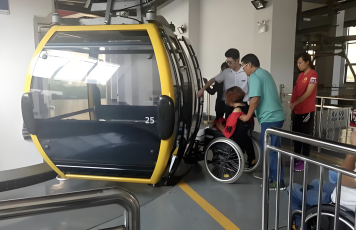
Each cabin has a width of 2.5 meters, length of 2.7 meters, and height of 2.2 meters, providing 11 cubic meters of interior space for 6 adults. The recycled aluminum alloy frame weighs 900 kg, offering structural strength while reducing carbon emissions by 25% compared to traditional steel frames. The low-reflection glass has a thickness of 14 mm, with a light transmittance rate of 85% and reflection rate of less than 5%. The cable car uses a biodegradable synthetic cable made from plant-based materials, which can be recycled at the end of its service life. Its solar-assisted power system includes 12 solar panels installed on the support towers, generating up to 5 kW of electricity per hour to supplement grid power. The safety system includes a real-time wildlife monitoring camera that sends alerts to staff if large animals are near the cable route. It is certified to meet ISO 14001 (Environmental Management) and ISO 1496-1 standards, ensuring compliance with global eco-friendly and safety regulations. The operating system supports energy-saving mode during off-peak hours, reducing power consumption by 40%.
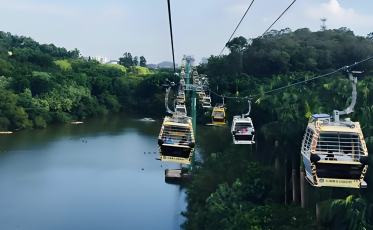
This eco-friendly low-level cable car is ideal for wildlife reserves, national parks, botanical gardens, and wetland protection areas. It can connect visitor centers to remote observation platforms, allowing tourists to access fragile habitats without walking on trails that could damage plant life or disturb wildlife. In savanna reserves, it can glide above grasslands, enabling tourists to view lions, elephants, and giraffes from a safe distance without disrupting their natural migration patterns. In wetland reserves, it can operate above marshes, providing views of rare bird species and aquatic plants without disturbing water ecosystems. It is also suitable for rainforest eco-tourism destinations, where it can offer canopy-level views of tropical plants and primates without requiring tree cutting for trail construction. Additionally, it can serve as an educational tool for schools and environmental organizations, providing guided tours that teach visitors about biodiversity conservation and sustainable tourism practices. Its zero direct emission design makes it a perfect fit for carbon-neutral tourism initiatives.







 Post RFQ


 Chat
Chat


 ALL CATEGORIES