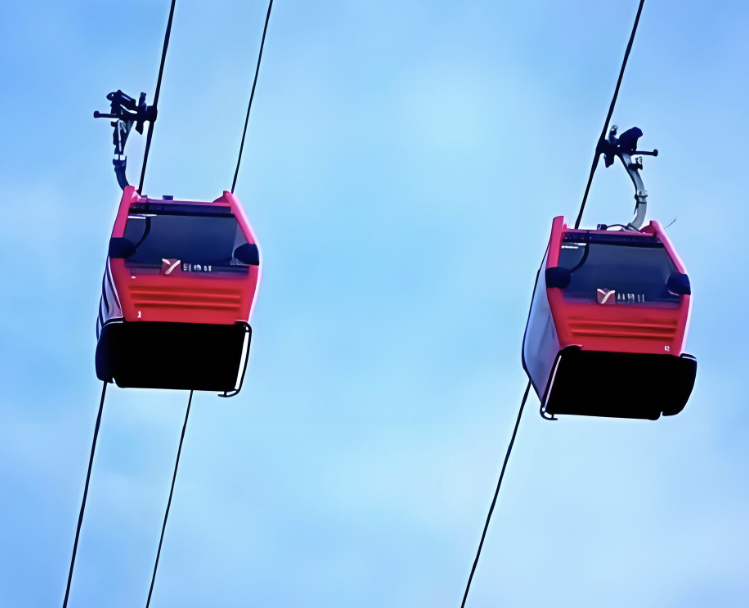
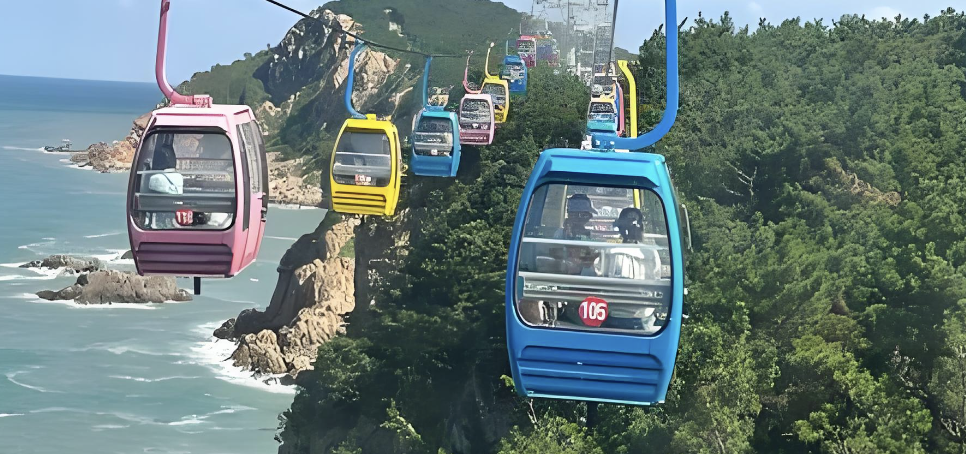


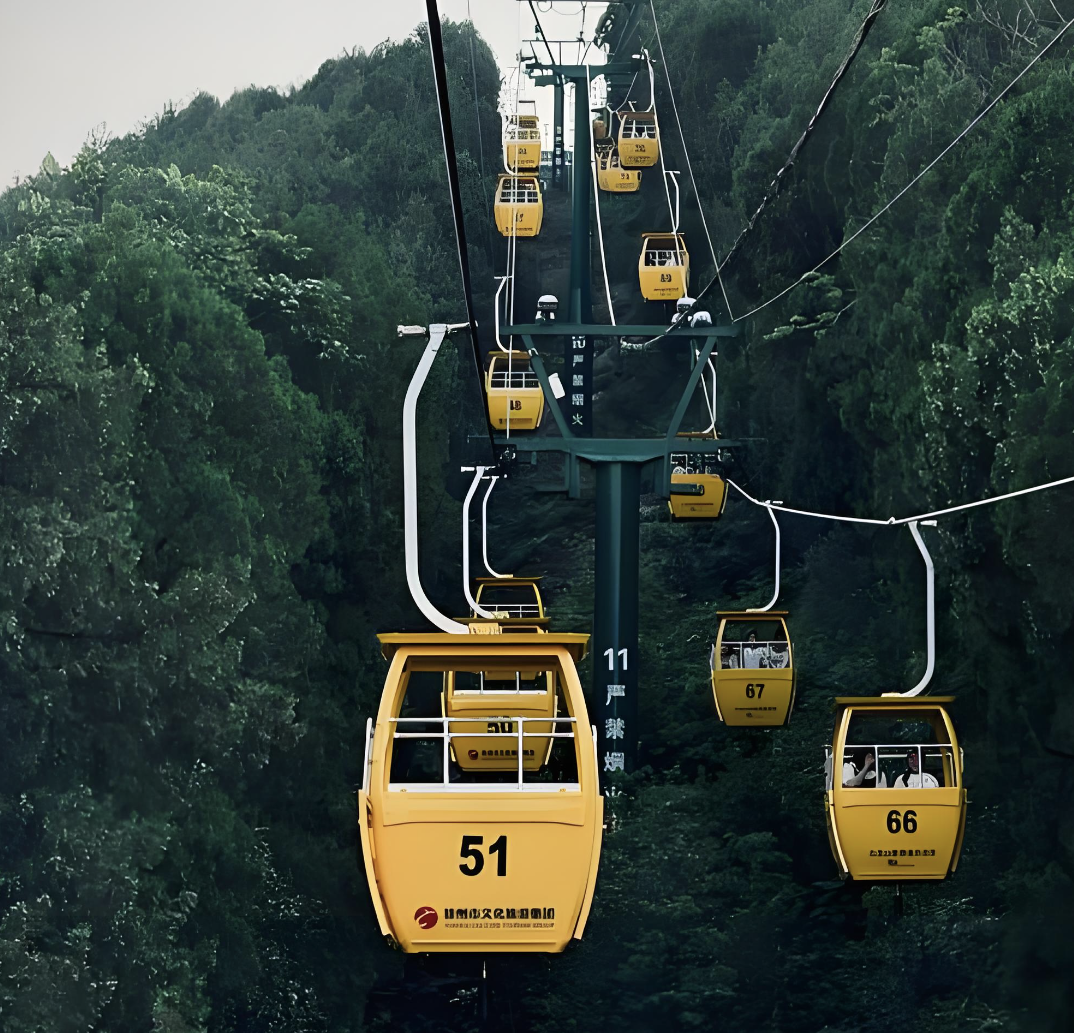
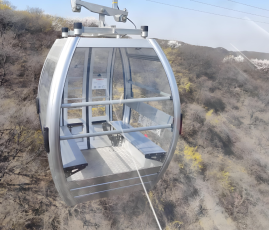
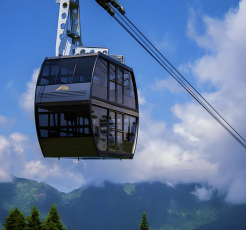
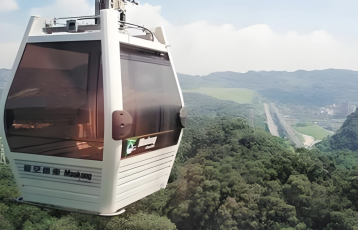
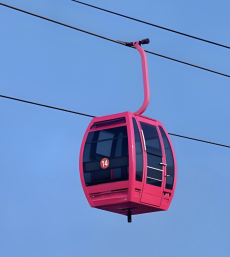
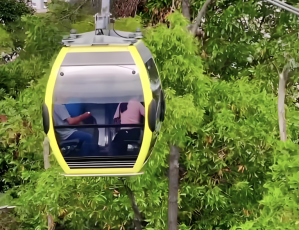
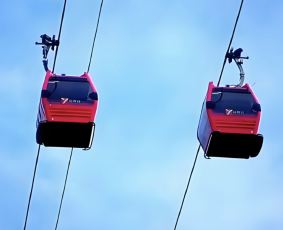
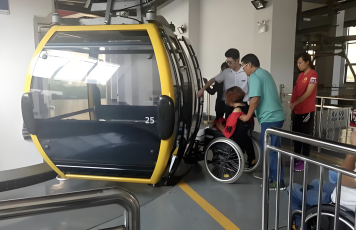
This cable car stands out with its advanced traction system that ensures smooth, jolt-free operation even during frequent stops, eliminating motion discomfort for passengers. The polycarbonate cabin windows offer 180-degree panoramic views while being UV-resistant and scratch-proof, maintaining clarity over long-term use. Safety is prioritized with hidden emergency brakes, door interlock systems, and real-time remote monitoring, all compliant with international amusement ride standards. Its modular cabin design allows for easy maintenance and component replacement, reducing operational downtime. Customizable color options enable seamless integration with urban aesthetics, from modern skyline themes to natural park landscapes. Unlike traditional urban transportation options, it solves the pain points of long walking distances in large parks, provides accessible sightseeing for mobility-impaired visitors, and operates quietly to avoid disturbing nearby residents or wildlife in urban green zones.
Each cabin measures 2.2m (L) x 1.8m (W) x 2.0m (H), with a reinforced aluminum alloy frame that balances durability and lightweight performance. The 10mm-thick polycarbonate windows are impact-resistant and provide unobstructed views. The cable car operates at a default speed of 1.2 m/s, which can be adjusted between 0.8 m/s and 1.5 m/s to match visitor flow. The traction system uses a 50kW AC motor, powered by a 380V 3-phase electrical supply. The line spans 300 meters, supporting elevation changes of up to 5 meters, with cabins spaced 25 meters apart to ensure efficient loading and unloading. Each cabin has a maximum load capacity of 800 lbs, accommodating 6 adult passengers with individual safety belts. The system includes a backup power supply that activates within 3 seconds of a main power outage, ensuring passenger safety. Maintenance requires bi-weekly visual inspections of cables and brakes, with full component overhauls every 3 months.
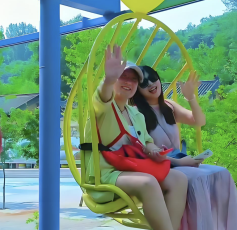
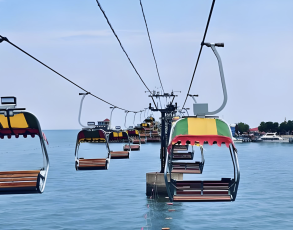
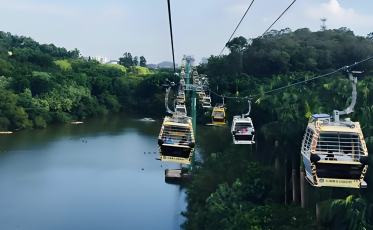
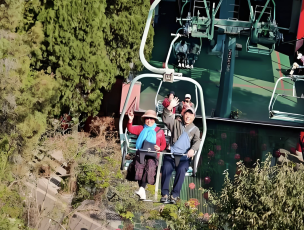
Ideal for urban waterfront parks, this cable car connects picnic areas, observation decks, and waterfront promenades, allowing visitors to traverse large green spaces without fatigue. In downtown botanical gardens, it provides a bird’s-eye view of rare plant collections, enhancing educational experiences for families and school groups. For city rooftop attractions, it serves as a unique transportation link between adjacent rooftop venues, creating a cohesive entertainment complex. It is also suitable for riverfront tourist zones, offering scenic views of bridges and city skylines. Target users include municipal tourism boards looking to upgrade public leisure facilities, private park operators aiming to increase visitor engagement, and real estate developers integrating scenic elements into mixed-use projects. Typical usage scenarios include weekend family outings, tourist group tours, and seasonal events like city festivals or holiday light displays.







 Post RFQ


 Chat
Chat


 ALL CATEGORIES