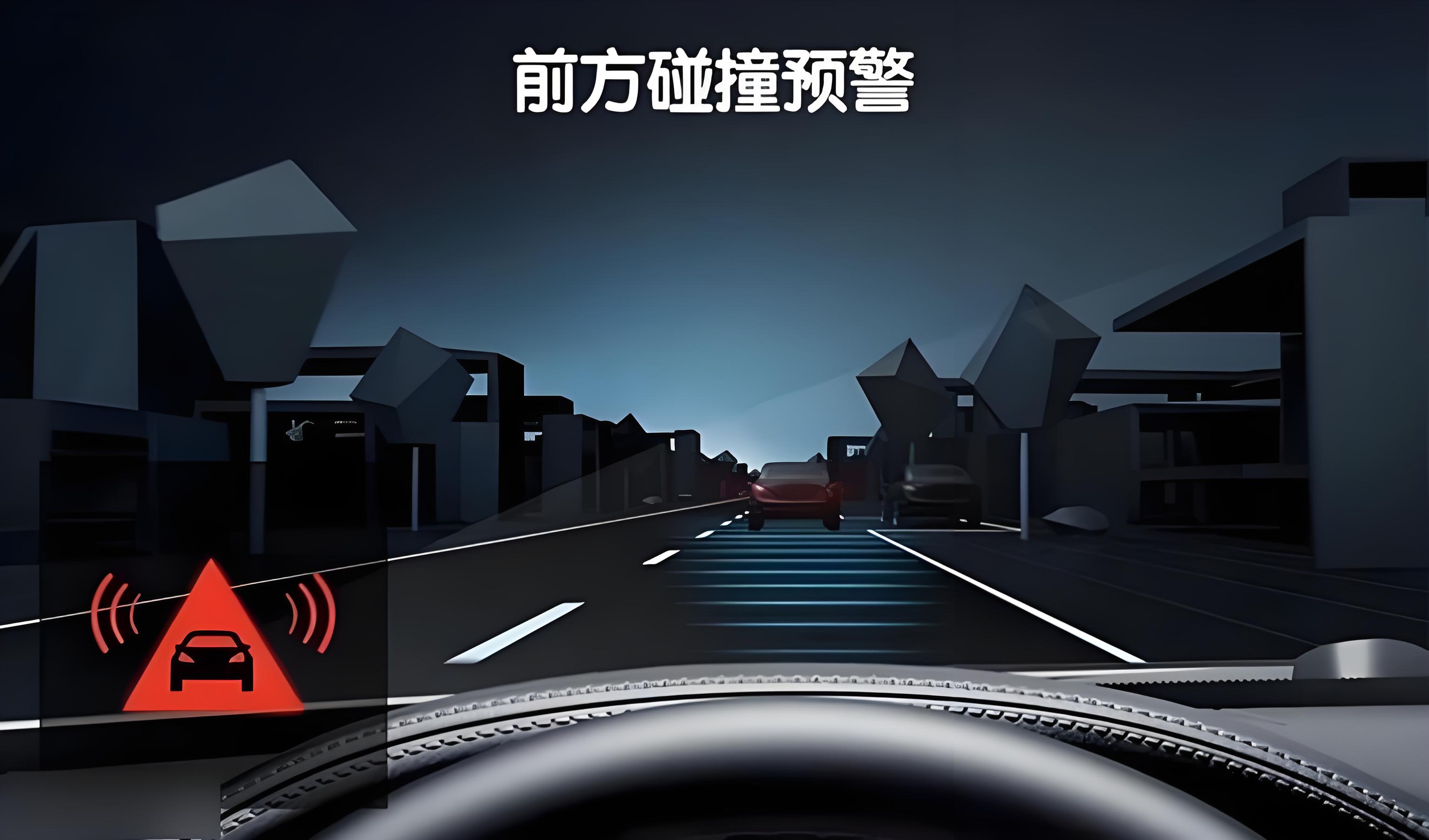





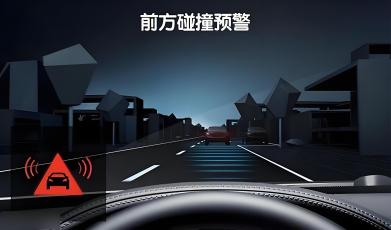
The core feature of this product is its high-precision ADAS algorithm, which uses machine learning to identify vehicles, pedestrians, and road markings, achieving a 98% accuracy rate in collision risk detection. It provides three-level alarm reminders: a visual alert on the dashboard display, a voice prompt in multiple languages, and seat vibration feedback, ensuring that the driver can quickly notice and respond to risks even in noisy driving environments. The OBD-II connection allows the system to adjust alarm sensitivity based on vehicle speed, reducing false alarms during high-speed driving. The infrared night vision function can detect pedestrians and obstacles up to 80 meters away in complete darkness, significantly improving nighttime driving safety. Moreover, the system is easy to install without modifying the vehicle's wiring, and it supports data synchronization with a mobile app to generate driving safety reports, helping drivers correct bad driving habits.
The forward collision camera has a 120-degree wide-angle lens with 1080P high-definition resolution, measuring 60mm (L) × 40mm (W) × 30mm (H) and weighing 50g. The blind spot detection sensors are 50mm (L) × 30mm (W) × 20mm (H), weighing 30g each, with a detection range of 0-50 meters on both sides of the vehicle. The system uses Bluetooth 5.1 for data transmission between the camera, sensors, and the dashboard display, with a response time of less than 0.5 seconds. The main power supply is via the vehicle's OBD-II interface (12V DC), and the built-in 1000mAh lithium battery provides 2 hours of standby power when disconnected from the vehicle. The dashboard display is 3.5 inches, with LED visual alerts, and the voice prompt supports English, Spanish, French, and Chinese. The night vision function uses 850nm infrared LEDs, with a detection range of 0-80 meters in low-light conditions. All components meet ISO 15008, FCC, and CE certification standards.
This real-time collision alarm system is suitable for a wide range of vehicles, including private sedans, SUVs, ride-hailing vehicles, logistics trucks, and commercial vans. For ride-hailing drivers, it helps reduce the risk of accidents caused by fatigue or inattention, improving passenger safety and driver service ratings. For logistics companies, installing this system on their truck fleets can lower accident rates and reduce transportation costs associated with vehicle repairs and cargo damage. In urban commuting scenarios, it detects sudden stops of front vehicles and lane departures, preventing rear-end collisions and side-swipe accidents. Additionally, it is ideal for new drivers who lack driving experience, providing real-time driving assistance to help them build safe driving habits. The night vision function also makes it suitable for drivers who frequently travel at night, such as long-haul truckers and emergency service vehicle drivers.

















 Post RFQ


 Chat
Chat



 ALL CATEGORIES