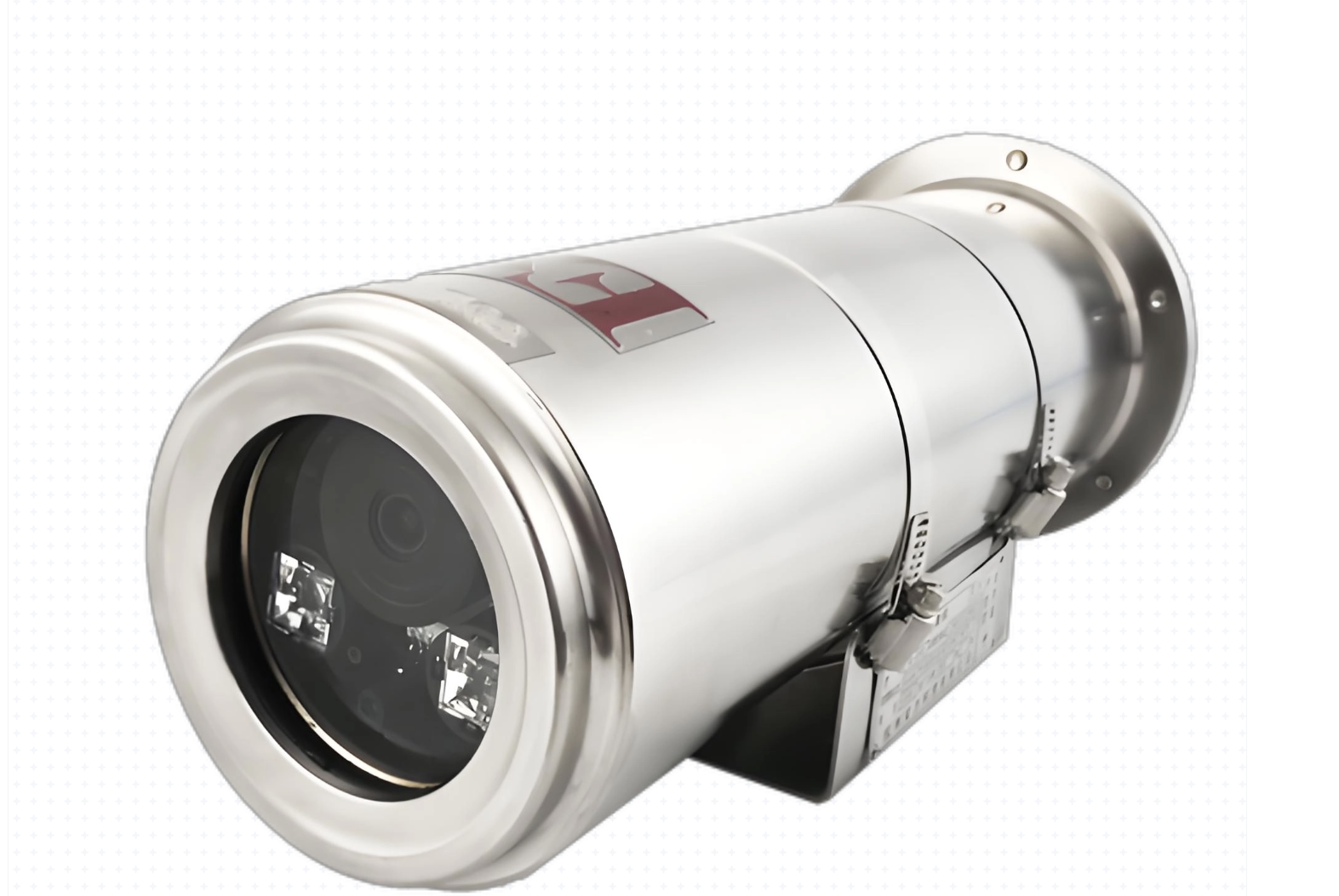
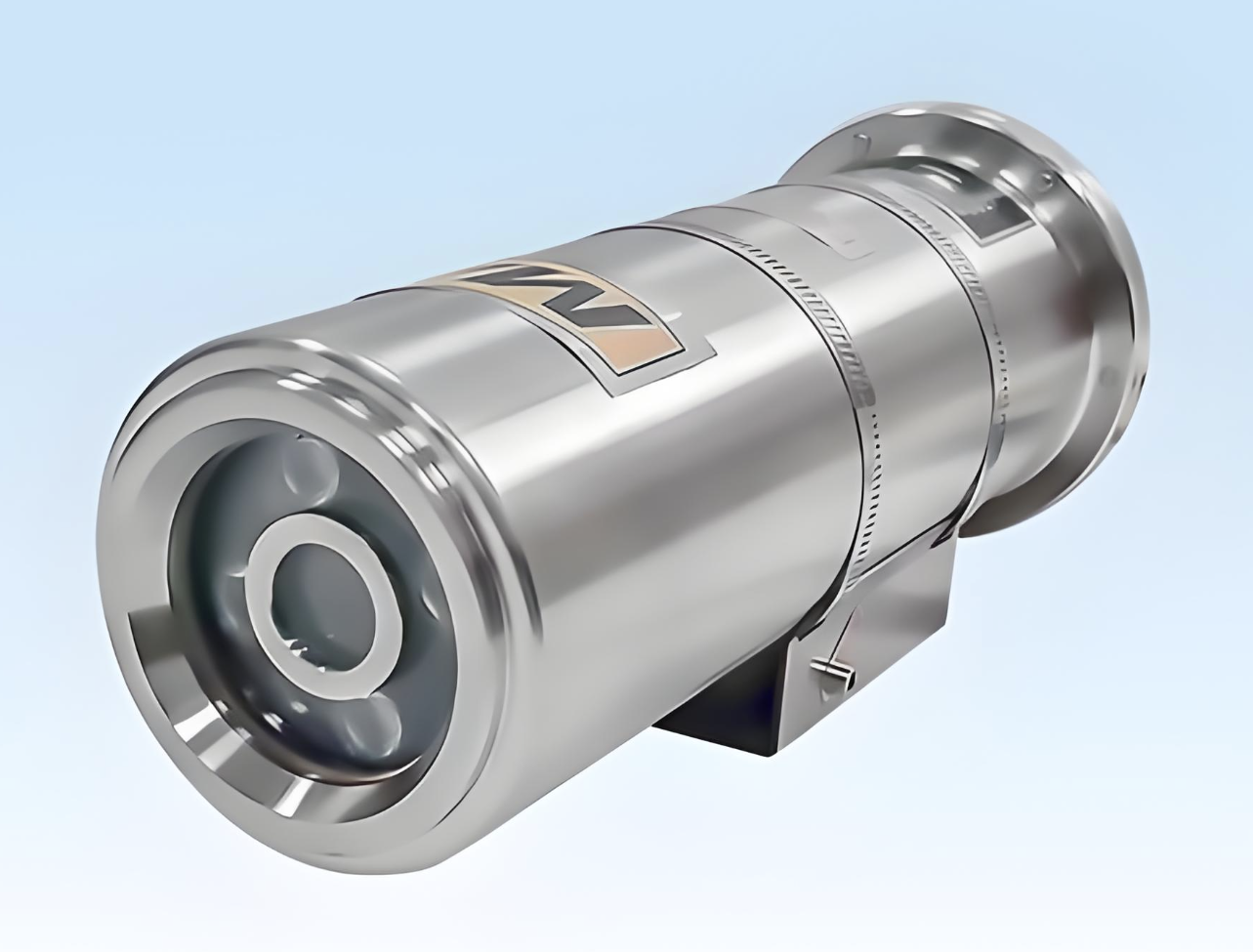





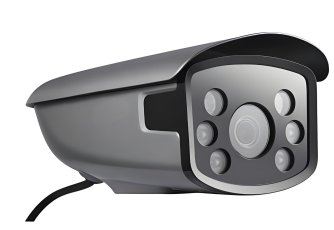
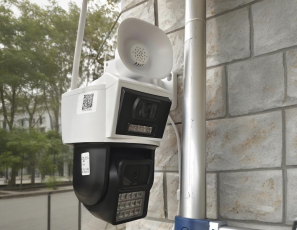
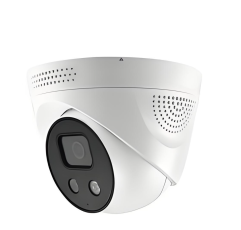
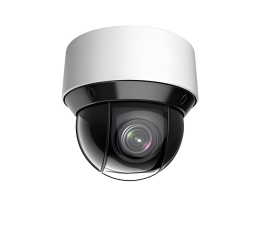
The core advantage of this camera lies in its dual certification for explosion-proof and dust-proof performance, eliminating the risk of ignition in explosive atmospheres. Its edge-end AI algorithm supports liveness detection, effectively preventing spoofing attacks using photos, videos, or 3D masks, ensuring 99.9% recognition accuracy even with facial variations like glasses, hats, or beards. Unlike cloud-dependent cameras, it stores data locally, complying with strict industrial data privacy regulations. The PoE wired connection ensures stable power and data transmission, avoiding signal interference in complex industrial environments. Additionally, its rugged metal housing and sealed design protect against water immersion up to 10m for 30 minutes, making it suitable for both indoor and outdoor hazardous sites. It also supports integration with industrial access control systems, enabling automatic lock/unlock of explosion-proof doors and real-time personnel attendance tracking.
This camera features a 1/1.8" high-sensitivity CMOS sensor that captures 4K UHD images with 120dB dynamic range, ensuring clear facial details even in high-contrast lighting conditions. The recognition speed is less than 0.03 seconds per face, with a maximum recognition range of 5 meters, allowing for fast access control without delays. It operates in temperatures ranging from -40℃ to 60℃, adapting to extreme cold in alpine mining areas and high heat in petrochemical refining workshops. The built-in 64GB local storage can store up to 100,000 facial templates and 3 months of access logs, with support for encrypted data export. The camera measures 220×150×100mm and weighs 3.2kg, constructed with a corrosion-resistant aluminum alloy housing. It supports PoE 802.3af power supply, eliminating the need for separate power cables, and is compatible with mainstream industrial access control protocols including Wiegand 26/34 and Modbus.
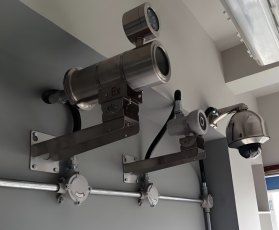
This camera is primarily used in high-risk industrial sectors where explosion safety is a top priority. In petrochemical plants, it is installed at access points of oil storage tanks, refinery workshops, and pipeline stations to control personnel entry and monitor authorized staff. In coal mines, it is deployed in underground tunnels and mining faces to track worker attendance and prevent unauthorized personnel from entering restricted areas. It is also suitable for gas stations, chemical warehouses, and pharmaceutical production facilities where flammable materials are handled. For offshore oil platforms, its IP68 protection and wide temperature range make it capable of withstanding salt spray corrosion and extreme sea conditions. Additionally, it can be integrated with emergency alarm systems, triggering alerts if unauthorized personnel enter restricted zones, enhancing overall site safety management.














 Post RFQ


 Chat
Chat


 ALL CATEGORIES