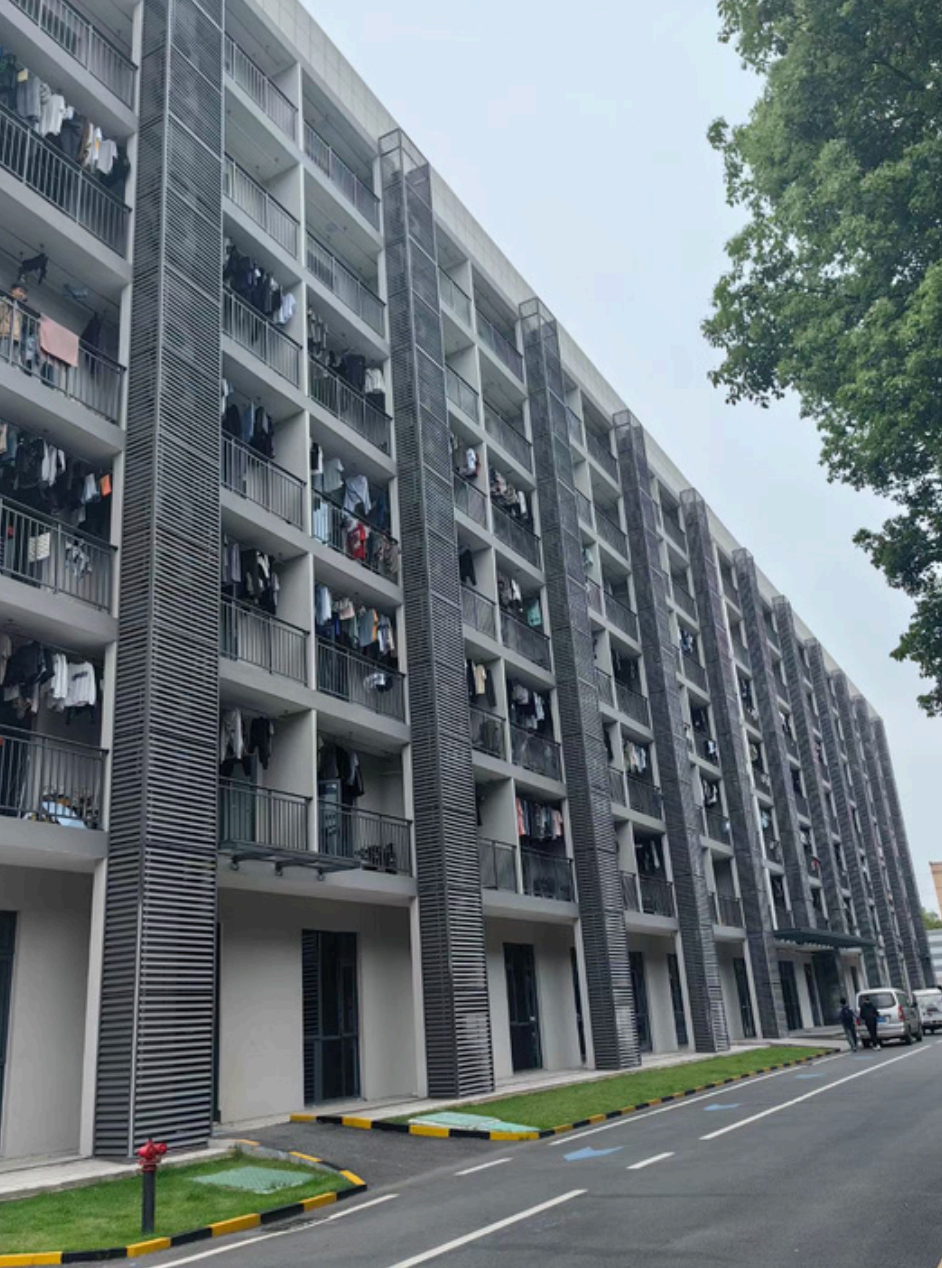
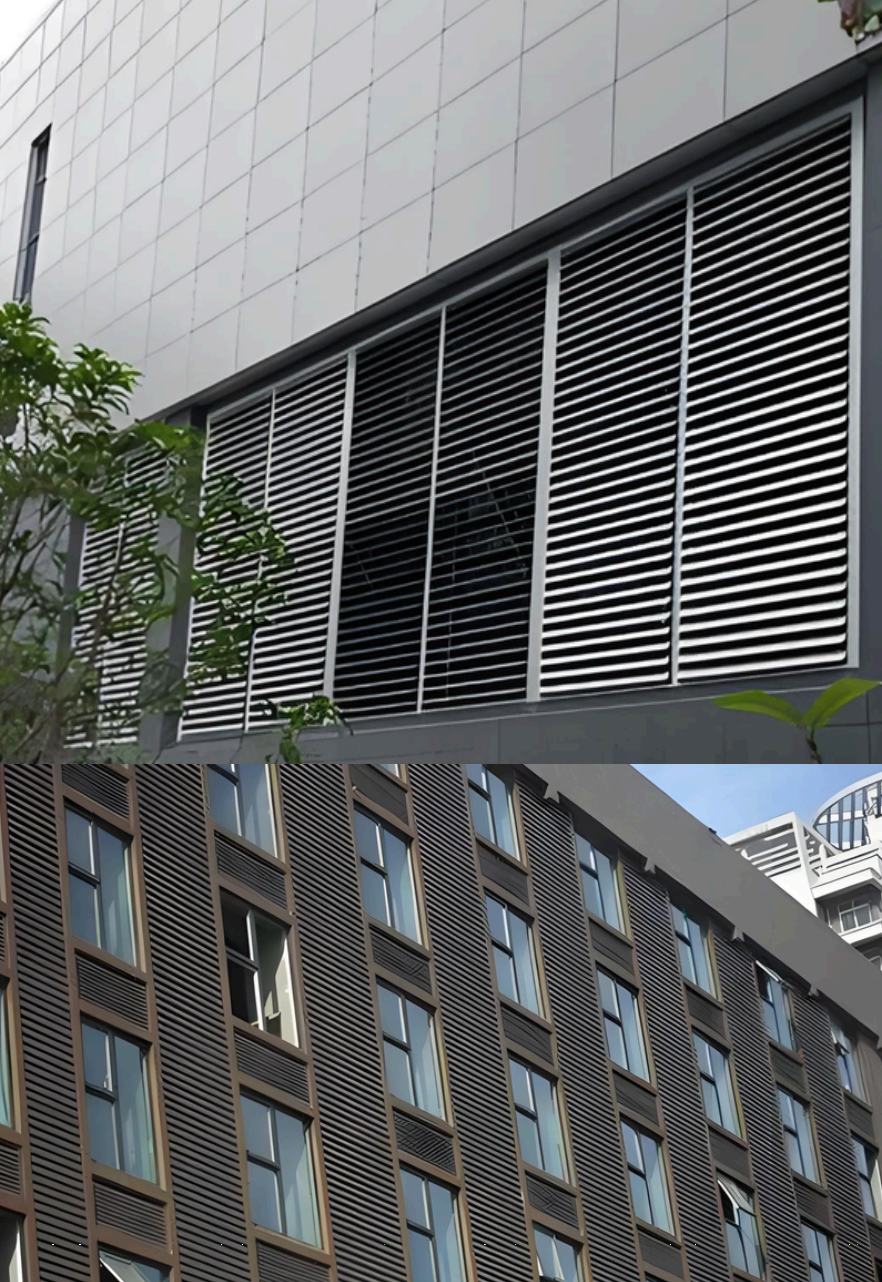
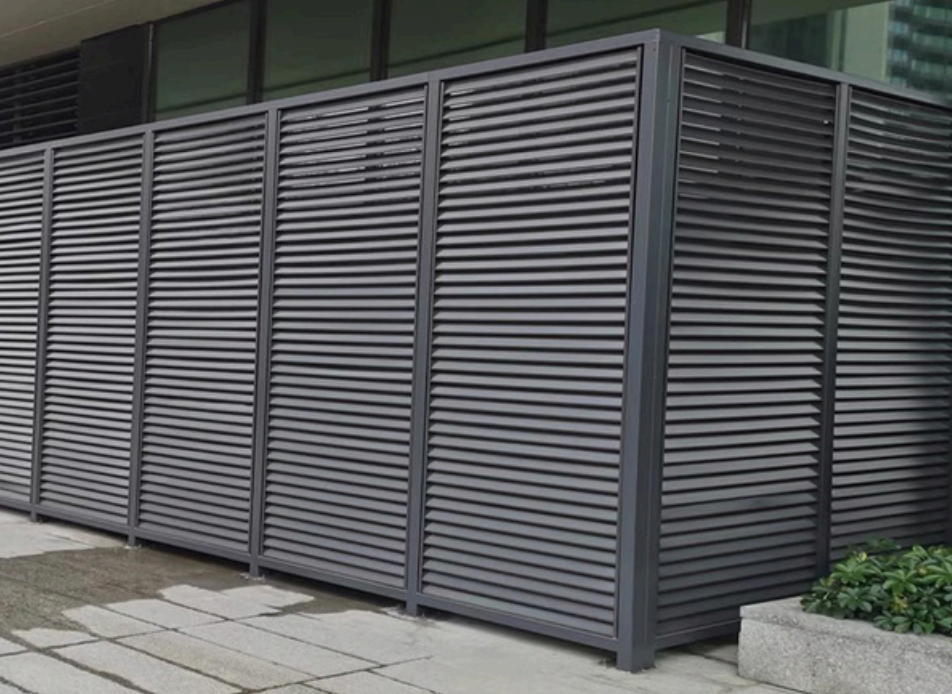
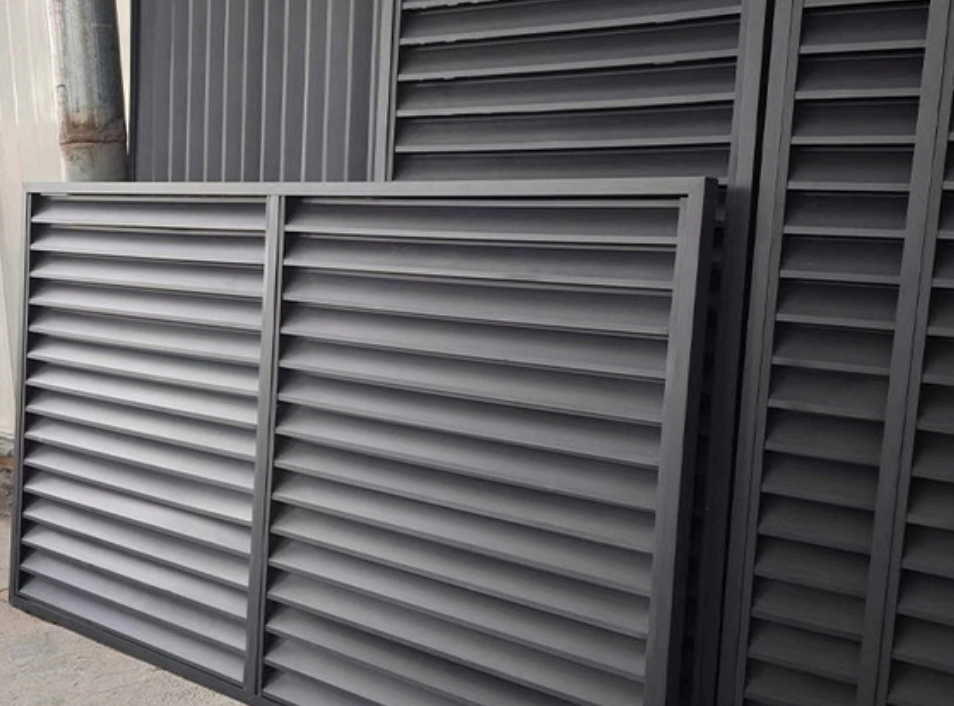


Louver grilles come in various types and styles for diverse application scenarios, with detailed product features as follows:
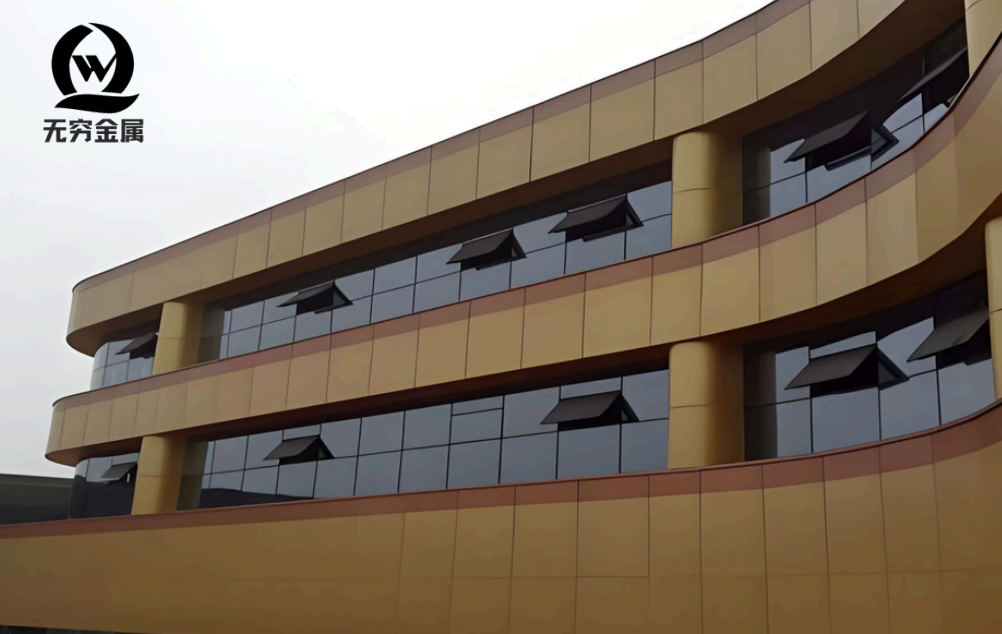
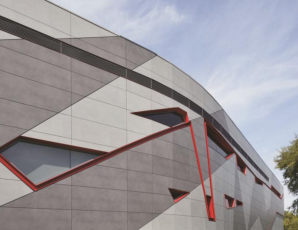
1、Exterior Building Decoration
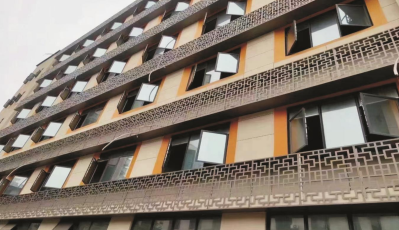
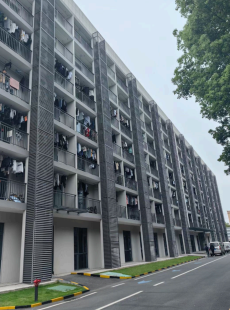
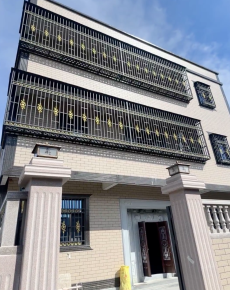
Widely adopted on commercial buildings such as office buildings, shopping malls and hotels as exterior facade decorations to enhance the modern aesthetic of buildings. They are also applied to shield air conditioning outdoor units and equipment areas for environmental beautification.
2、Indoor Space Regulation
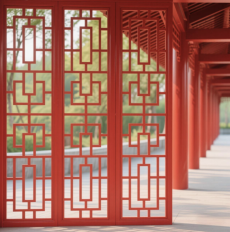
Suitable for windows in offices, home living rooms, bedrooms and other residential spaces to decorate windows, adjust indoor light intake and air circulation. Some commercial spaces including exhibition halls also utilize them as partitions to create a spacious and stylish visual effect.
3、Industrial & Public Facilities
Installed at ventilation openings and wall surfaces of factories, garages, subway stations and other venues to meet both ventilation and protection requirements. They are also applied on some rail transit platforms to improve spatial permeability.
1、Flexible Adjustability
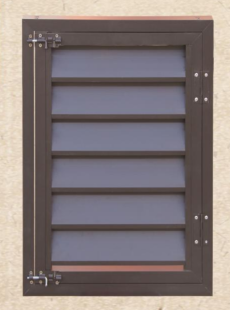
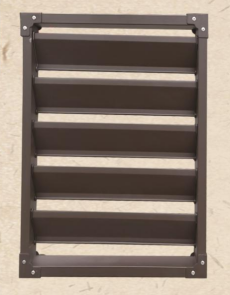
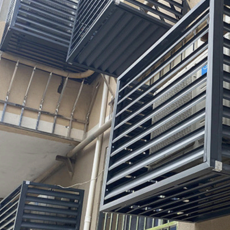
The blade angle can be freely adjusted to control air volume and light incidence. When fully closed, it can effectively ensure indoor privacy.
2、Durability & Corrosion Resistance
Made of aluminum alloy, the product features low density and light weight. It boasts excellent corrosion and oxidation resistance, adapts well to humid and dusty outdoor environments, and delivers long service life.
3、Aesthetics & Practicality Combined
With concise and smooth lines and customizable colors, it perfectly matches modern architectural styles. Meanwhile, it performs well in shielding and protection, concealing equipment and sundries to improve overall space tidiness.
4、Protection & Safety Performance
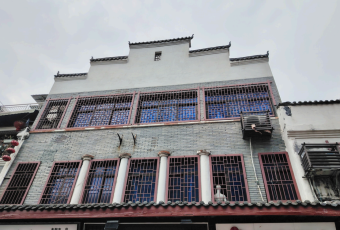
Some reinforced aluminum alloy louver grilles provide basic anti-theft performance when installed on windows. As exterior building decorations, they can also buffer external impacts and protect internal building structures.
5、Heat Insulation & Energy Saving
By adjusting the blade angle, direct solar radiation into indoor spaces can be reduced, which weakens heat conduction, assists indoor heat insulation and indirectly achieves energy-saving effects.








 Post RFQ


 Chat
Chat


 ALL CATEGORIES