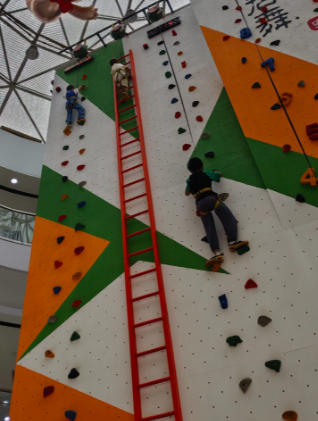
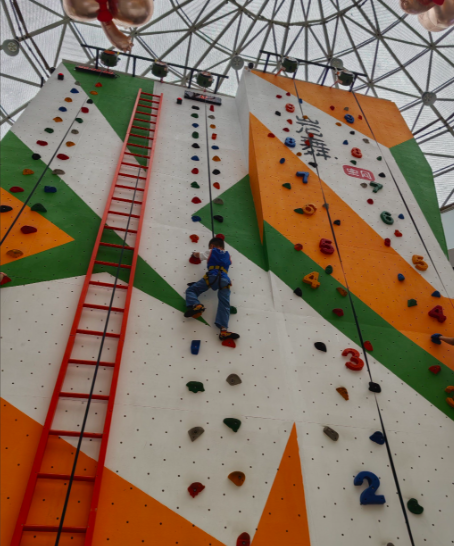





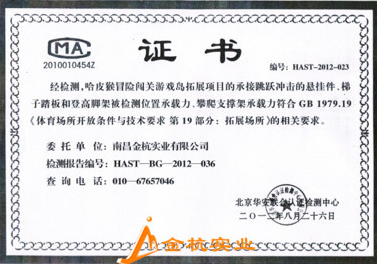
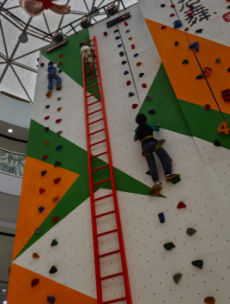
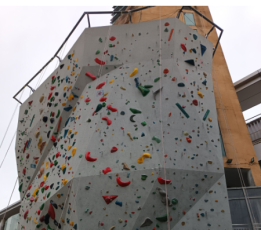
This climbing wall panel system features fiberglass-reinforced plastic (FRP) panels that are lightweight yet highly durable, with a UV-resistant coating to prevent fading and degradation from sun exposure. Each panel includes 25 climbing holds of varying shapes and sizes, providing diverse grip options for beginners and advanced climbers alike. The system supports both wall-mounted and freestanding installation, offering flexibility for different facility layouts. With a 300 lbs per user weight capacity, it can accommodate adult users of all sizes. The UIAA and CE EN 12572 certifications ensure compliance with international climbing equipment safety standards, minimizing injury risks. The panels are easy to install with included hardware, and additional panels can be added to expand the wall size as needed. Unlike traditional wooden climbing walls, FRP panels are low-maintenance, resistant to rot and moisture, and easy to clean.
Each panel measures 4 ft (1.22 m) in width and 8 ft (2.44 m) in height, with a thickness of 1.5 inches (3.81 cm). The FRP material has a tensile strength of 5000 psi, ensuring durability and impact resistance. Climbing holds are made of high-quality polyurethane (PU) with a textured surface for enhanced grip, each weighing 0.5 lbs (0.23 kg). The maximum weight capacity per user is 300 lbs (136 kg), and the system can support up to 4 users per panel simultaneously when spaced appropriately. Wall-mounted installation requires a concrete or masonry wall with a minimum thickness of 6 inches (15.24 cm), while freestanding installation requires a steel frame (sold separately). The panels are available in blue, green, or gray colors to match facility aesthetics. All mounting hardware is made of stainless steel to resist rust and corrosion, ensuring long-lasting performance.
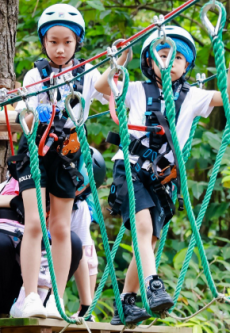
This climbing wall panel system is ideal for adventure parks and recreational centers looking to add a high-demand attraction for visitors. Gyms can integrate it into fitness programs to offer a fun, challenging alternative to traditional strength training. Corporate training facilities can use it for team-building events, where teams collaborate to plan climbing routes or support each other to reach the top. Schools and universities can include it in physical education programs to teach students about safety, resilience, and teamwork. Military and law enforcement training facilities can use it to simulate high-altitude rescue scenarios and improve physical readiness. Additionally, private property owners can install it in their backyard or home gym for personal use or to host small group climbing sessions. It can be installed in indoor gyms, outdoor adventure parks, campgrounds, or company training yards with sufficient space.







 Post RFQ


 Chat
Chat


 ALL CATEGORIES