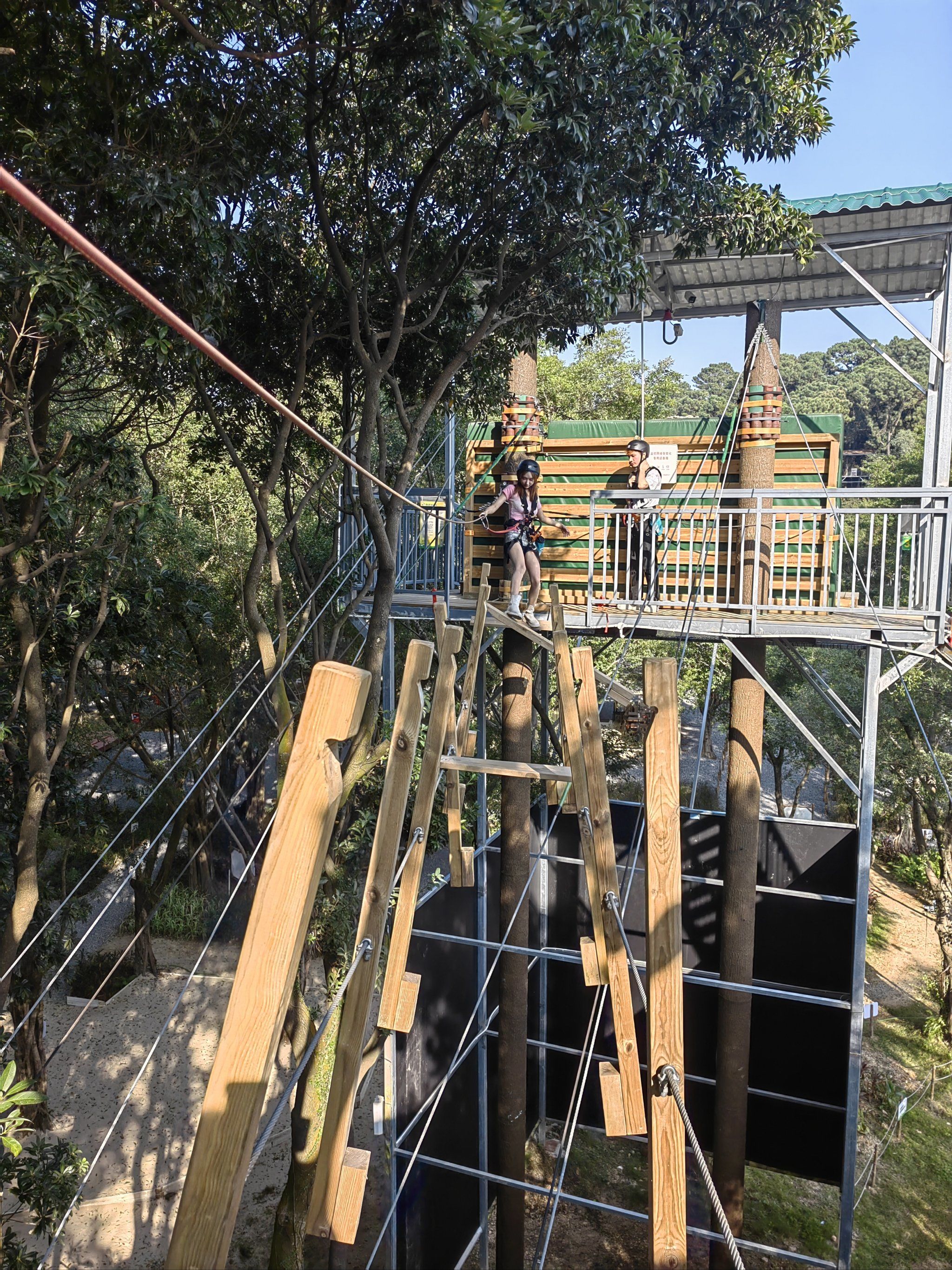
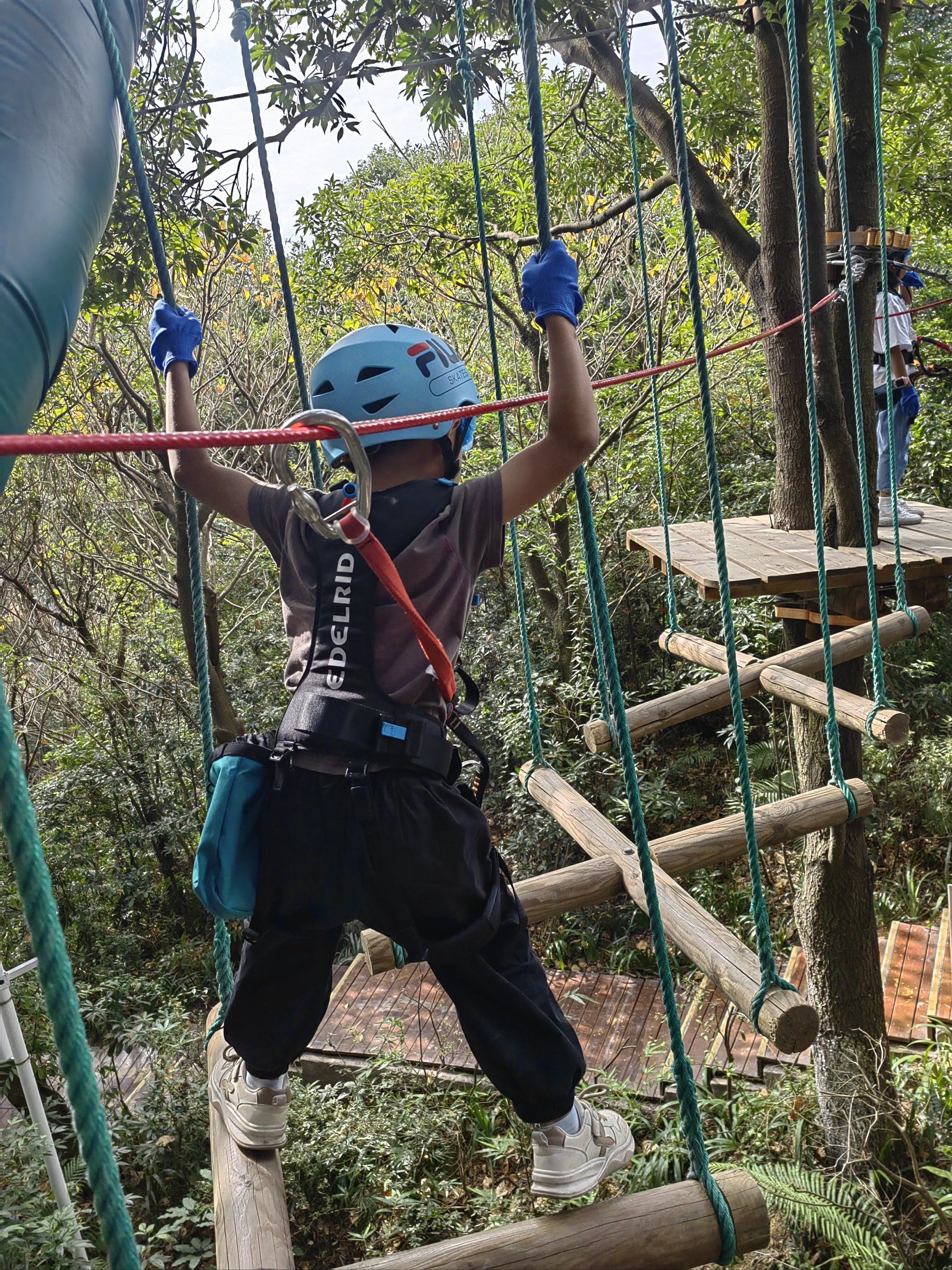


The core features of this obstacle course include its natural environmental protection and highly challenging obstacle design. The imported Finnish pine undergoes ACQ vacuum pressure impregnation treatment, which can effectively prevent termite erosion and rot, with a service life of up to 20 years, 50% longer than ordinary processed wood. The 12 obstacle stations are designed in progressive difficulty, from basic balance training to high-altitude rope climbing, meeting the exercise needs of teenagers with different physical fitness levels. The stainless steel connectors use a hidden installation design, maintaining the natural beauty of the wood while ensuring structural stability. Equipped with full-coverage safety ropes and 5cm thick shock-absorbing mats, it reduces the risk of falls and collisions. Additionally, the modular obstacle design allows for flexible adjustment of station order and difficulty, providing sustainable play value as users' physical fitness improves.
The overall dimensions of the obstacle course are 10m (L) * 3m (W) * 4m (H), with each obstacle station occupying an area of 2-3 ㎡. The Finnish pine used has a wood density of 560 kg/m³, with a moisture content of ≤12% to prevent warping and cracking. The balance beam station uses a 15cm thick and 30cm wide wood board, with a 1.2m high stainless steel handrail on both sides. The tire wall station uses 12 heavy-duty rubber tires with a diameter of 80cm, fixed with stainless steel brackets. The zip line station has a 10m long galvanized steel cable, with a maximum sliding speed of 2m/s and a braking system at the end to ensure safety. The shock-absorbing mat is made of EPDM material, with a density of 500 kg/m³ and a compression rebound rate of 90%. All components meet CE EN 1176 safety standards, with no toxic substances or sharp edges.
This wooden adventure obstacle course is ideal for various outdoor education and tourism scenarios. In youth camps, it can be used as a core training facility for wilderness survival and team-building activities, helping teenagers enhance their physical fitness and teamwork awareness. In forest parks and natural scenic spots, it can be built in the forest to create a immersive adventure experience, attracting adventure-loving tourists and increasing scenic spot revenue. In research education bases, it can be integrated into outdoor science courses to teach students about physical mechanics and outdoor safety knowledge. It is also suitable for high-end residential communities, providing a professional outdoor exercise venue for teenagers in the community, reducing their reliance on electronic products. Additionally, it can be used in military training bases to carry out basic physical training for young recruits.











 Post RFQ


 Chat
Chat


 ALL CATEGORIES