




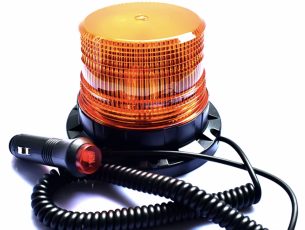
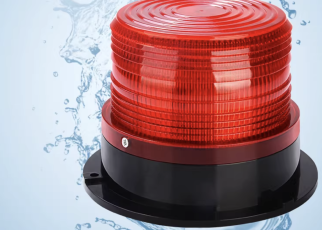
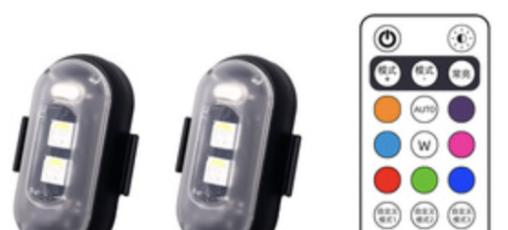
This strobe light’s key advantage is its IP68 waterproof rating, which allows it to be submerged in up to 2 meters of water for 30 minutes, making it ideal for marine rescue and water-based activities. The compact, lightweight design (150g) fits easily in pockets, backpacks, or life jackets, ensuring it is always accessible when needed. It features four adjustable modes: fast flash for immediate attention, slow flash for long-duration marking, steady on for continuous illumination, and SOS mode for international distress signals. The 2000mAh rechargeable li-ion battery provides 10 hours of strobe mode use or 24 hours of steady on use on a single charge, with a Type-C charging port for fast, universal charging via power banks, car chargers, or wall outlets. The PC and silicone construction is impact-resistant, withstanding drops from up to 1 meter, solving the pain point of fragile emergency tools breaking during outdoor use. Additionally, its bright LED output ensures visibility up to 2 miles away, even in dense forests or heavy fog.
Measuring 80mm × 50mm × 30mm, this strobe light is small enough to attach to a backpack or life jacket using the included carabiner. The PC housing is scratch-resistant, while the silicone casing provides a non-slip grip even when wet. Operating within a temperature range of -25°C to 55°C, it performs reliably in winter mountain conditions and summer desert heat. The Type-C charging port supports fast charging, with a full charge taking only 2 hours. The four strobe modes are easily accessible via a single button, even with gloved hands, making it user-friendly in emergency situations. The 2000mAh battery has a cycle life of over 500 charges, ensuring long-term durability. Each unit is certified by CE and FCC, meeting international electrical safety standards, and undergoes waterproofing and impact resistance testing to ensure performance in extreme conditions.
This strobe light is essential for outdoor adventurers, including hikers, campers, and climbers, who use it to mark their campsite or call for help if lost or injured. Mountain rescue teams rely on it to mark rescue zones and locate missing persons in remote areas. Offshore workers and sailors use it on boats and life rafts to signal for help during marine emergencies. Night workers, such as road construction laborers and utility repair technicians, wear it on their vests to increase visibility to passing vehicles. It is also suitable for cyclists and motorcyclists, who attach it to their bikes to enhance visibility during night rides. In all these scenarios, it is a critical safety tool that ensures users can be seen and rescued quickly in emergency situations, reducing the risk of injury or loss of life.







 Post RFQ


 Chat
Chat


 ALL CATEGORIES